
Discover
Hungary
Budapest's thermal baths, grand architecture, and rich Hungarian culture.
Top Destinations
Explore our curated selection of landmarks and cities you must visit.
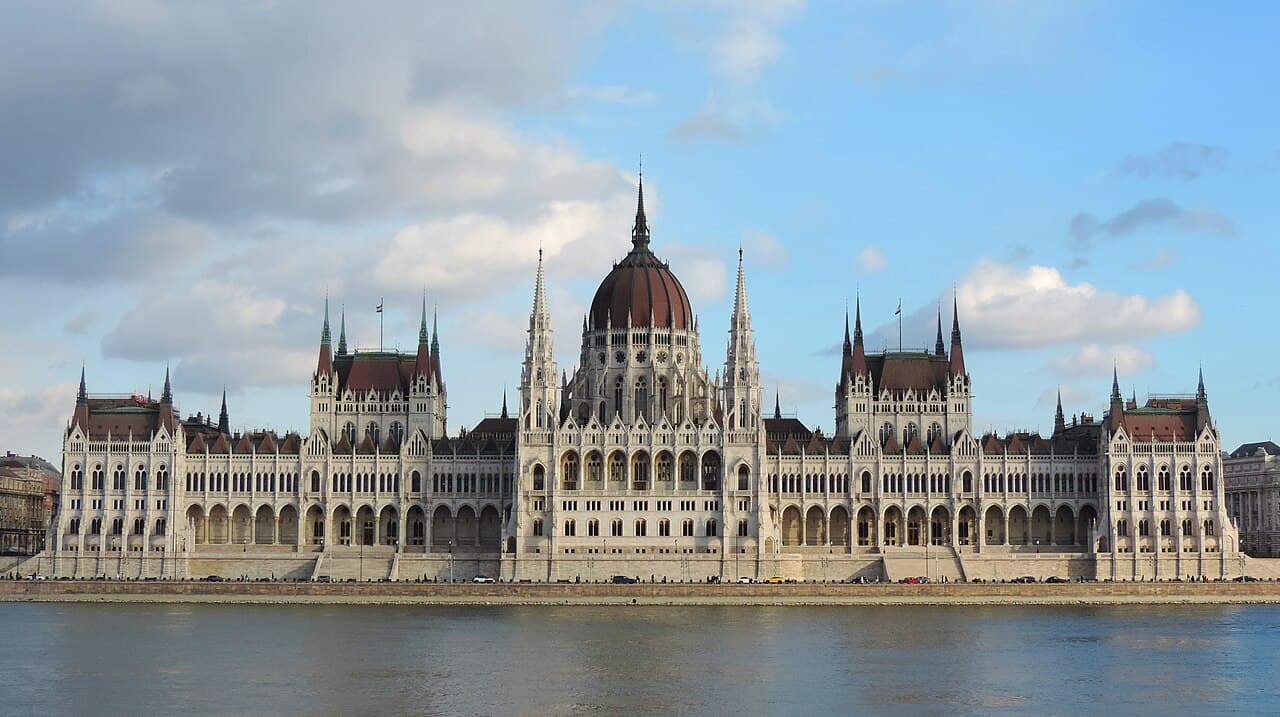
Hungarian Parliament Building
The third-largest parliament building in the world, an extraordinary Neo-Gothic masterpiece completed in 1904 on the Danube embankment in Budapest. Its 96-metre central dome, 691 rooms, and 18 courtyards make it the defining symbol of the Hungarian capital, and it houses the Hungarian Holy Crown Jewels.
Best Time
Year-round. The building is magnificent at night when lit against the Danube. Book tickets online in advance.
Insider Tip
Book the English-language guided tour...
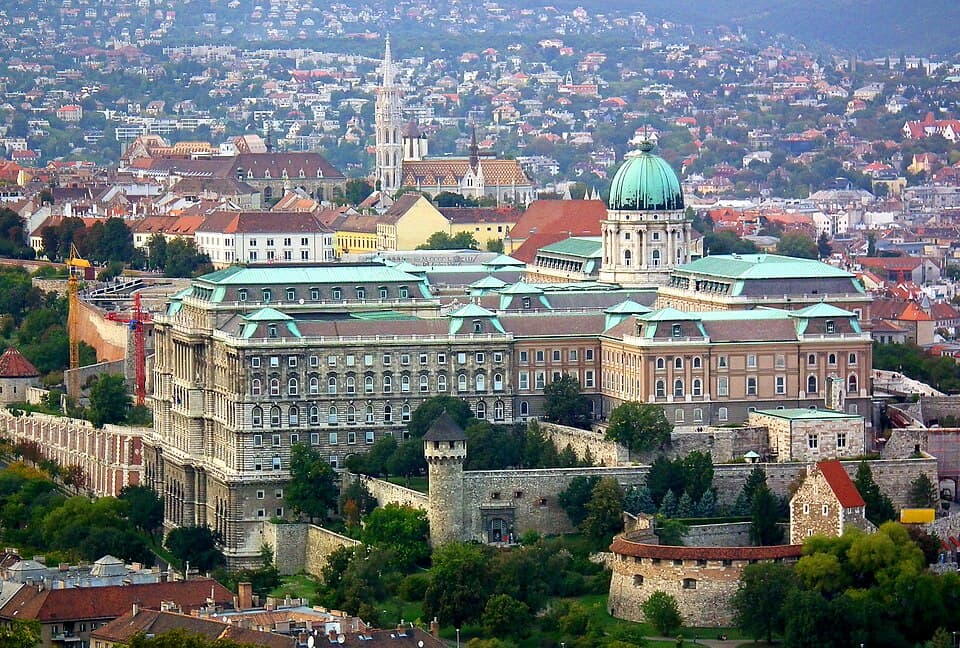
Buda Castle
The historic palace complex of the Hungarian kings on the southern tip of Castle Hill, rebuilt numerous times since the 13th century. The current Neo-Baroque palace (19th century) houses the Budapest History Museum and the Hungarian National Gallery. Castle Hill also contains the Matthias Church, Fisherman's Bastion, and a medieval underground tunnel network.
Best Time
May–September for outdoor café terraces. December for the atmospheric Christmas market on the castle terrace.
Insider Tip
Take the funicular (Budavári Sikló)...
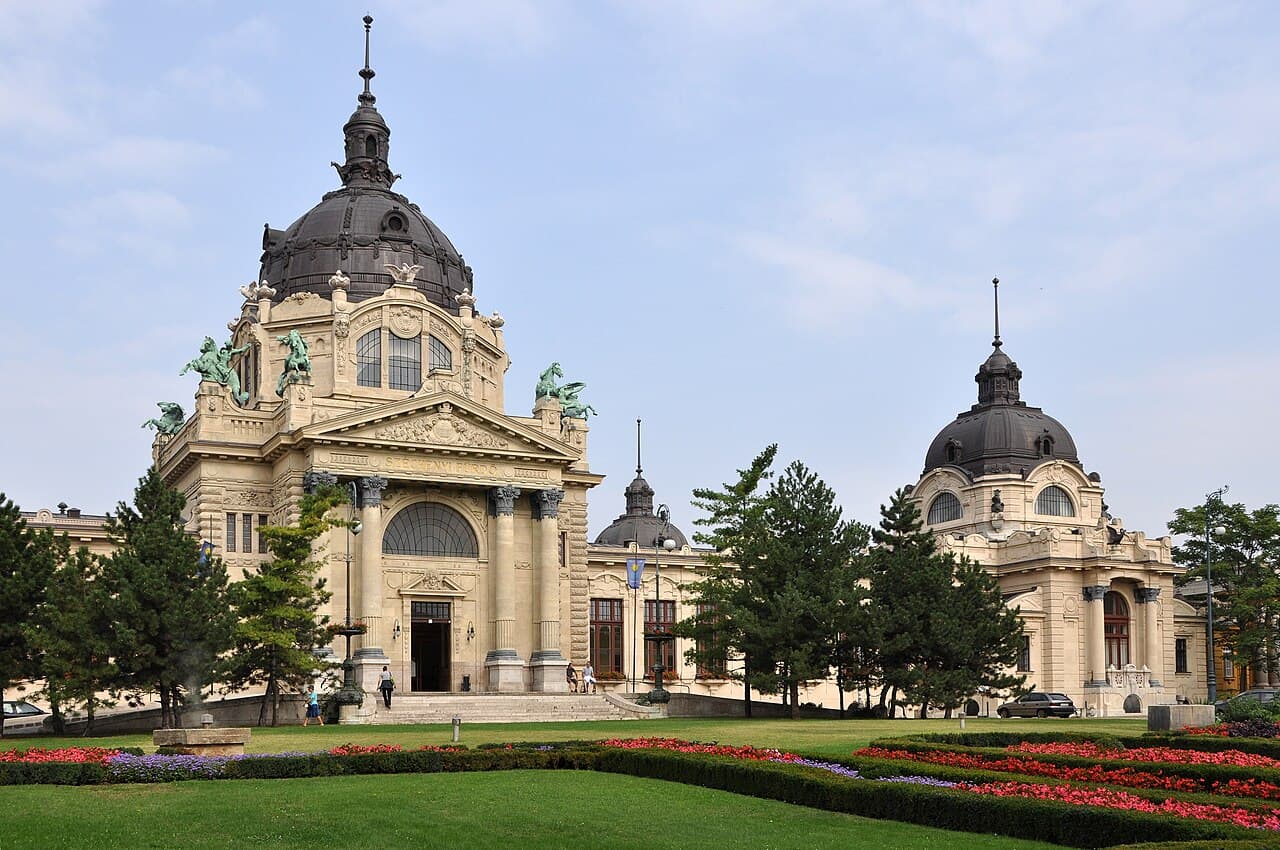
Széchenyi Thermal Bath
The largest medicinal bath complex in Europe, opened in 1913 in a magnificent Neo-Baroque palace in Budapest's City Park. Fed by two natural hot springs reaching 77°C, the complex contains 18 indoor pools and 3 outdoor pools. The famous outdoor pools with their Art Nouveau surroundings draw bathers year-round.
Best Time
Year-round. Winter (October–March) is magical with steam rising above the outdoor pools. Weekday mornings are least crowded.
Insider Tip
Go early on a weekday...
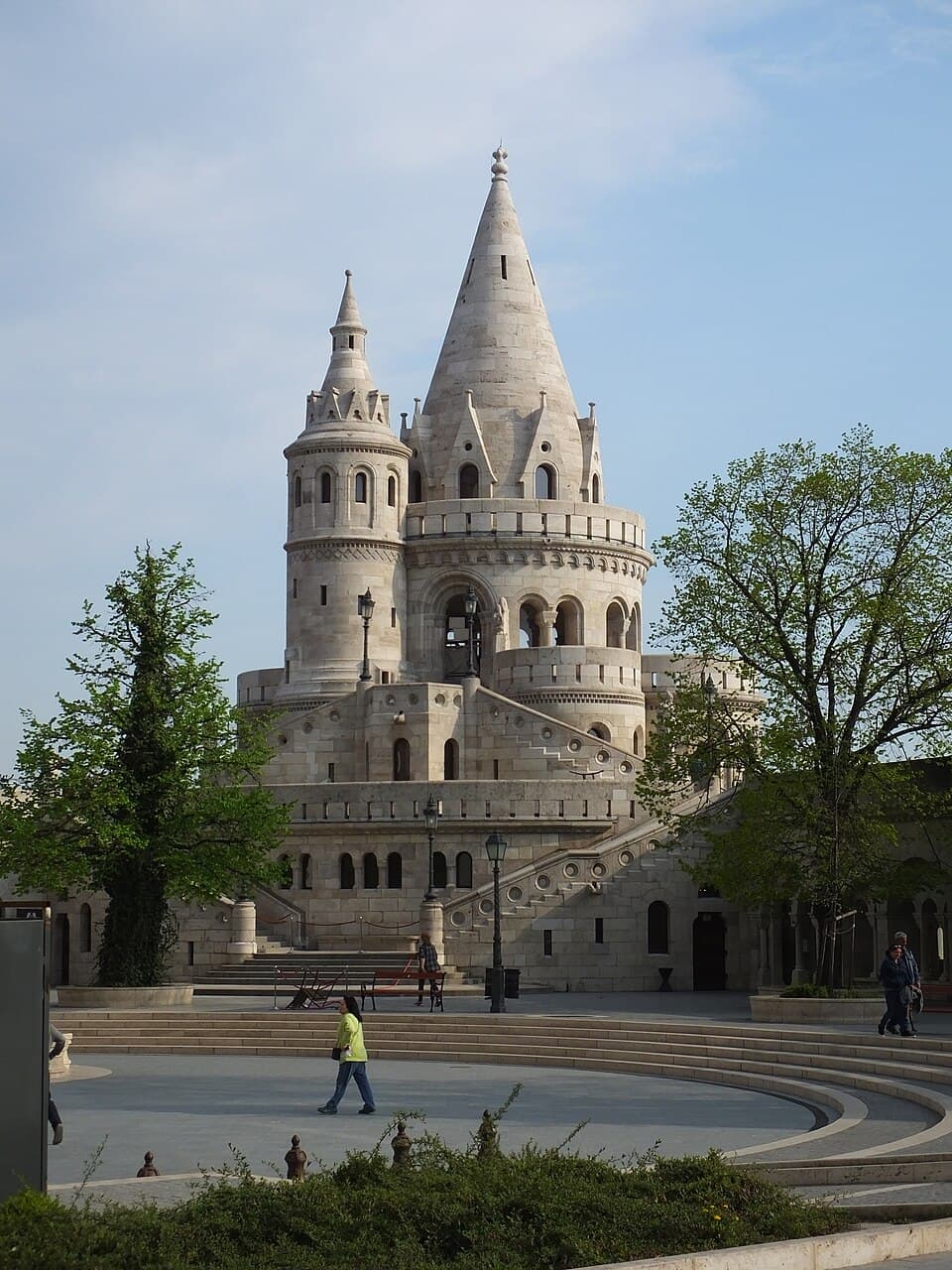
Fisherman's Bastion
A Neo-Romanesque terrace on Buda's Castle Hill, built between 1895 and 1902 by Frigyes Schulek as a decorative rampart with conical towers and sweeping arcades. The seven towers represent the seven Magyar chieftains who led the Hungarians into the Carpathian Basin in 895.
Best Time
Year-round. At sunrise the view is spectacular with the city gradually lighting up below. Night-time visits when the architecture is lit are also magical.
Insider Tip
The upper walkway (small entry...
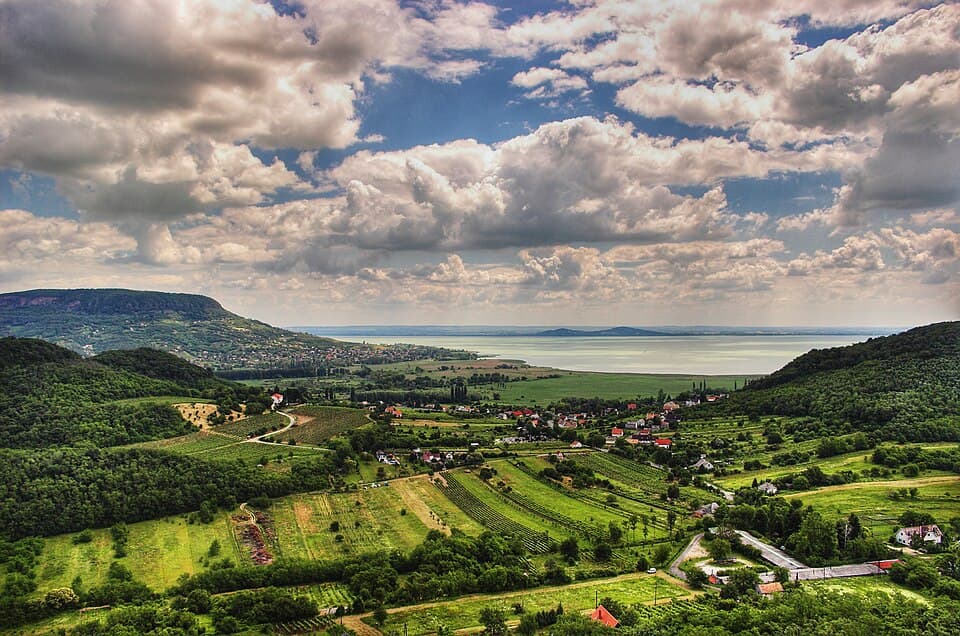
Lake Balaton
Central Europe's largest lake at 597 km², with shallow, warm water perfect for swimming, and surrounded by Baroque towns, vineyards, volcanic hills, and lavender fields. The northern shore is more scenic and wine-producing; the southern shore is more developed for mass tourism.
Best Time
June–August for swimming and wine festivals. September for harvest, fewer crowds, and still-warm water.
Insider Tip
Stay on the northern shore...
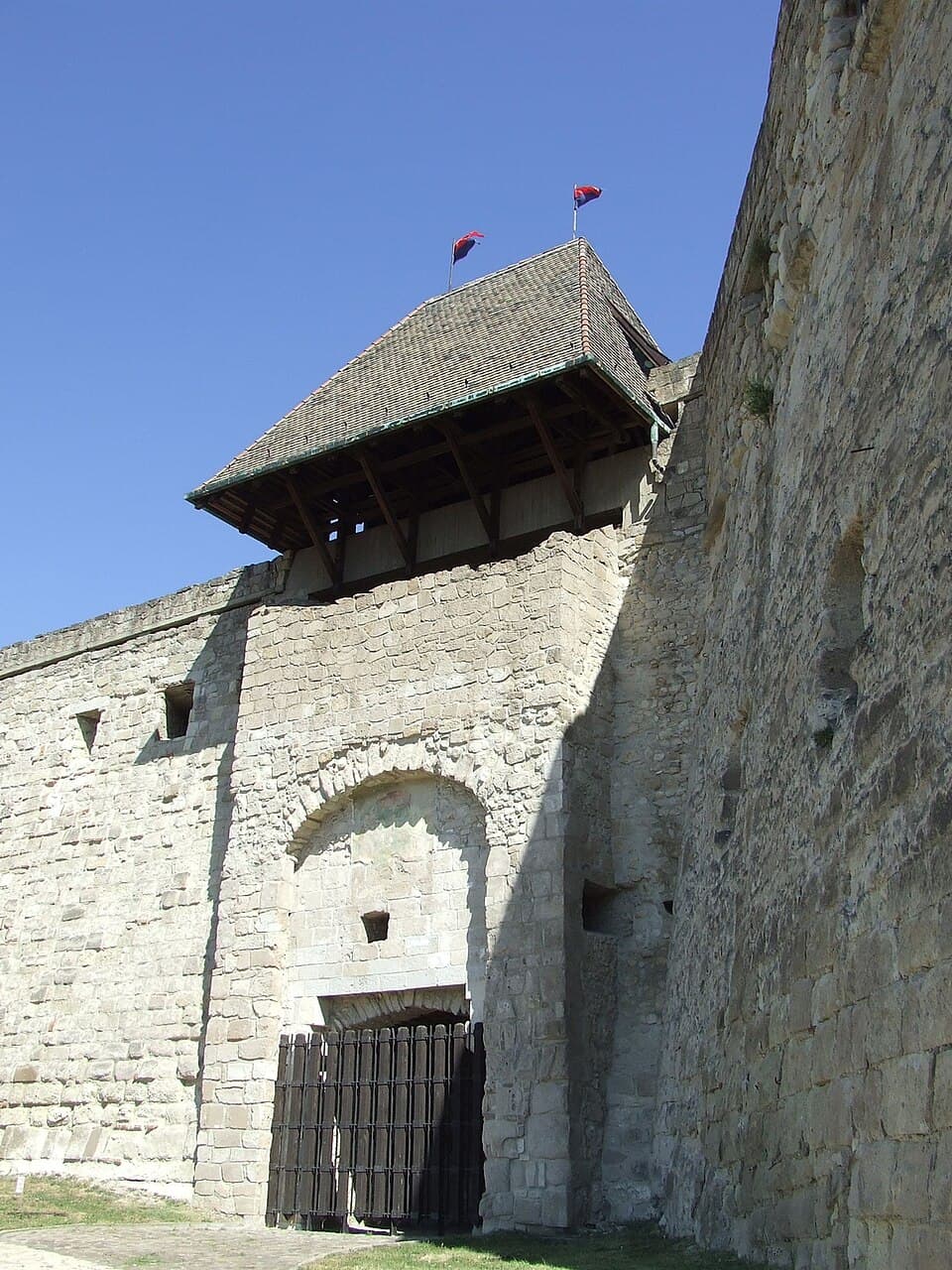
Eger Castle
A 13th-century castle famous for the 1552 Siege of Eger, when 2,000 Hungarian defenders under István Dobó defeated a 40,000-strong Ottoman army — one of the greatest military upsets in Hungarian history. The castle museum contains archaeological finds from the Roman period through to the Turkish occupation.
Best Time
May–September. The Eger Wine Festival in September is a highlight, with wine tastings held in underground cellars (Valley of Beautiful Women).
Insider Tip
Don't miss the Valley of...
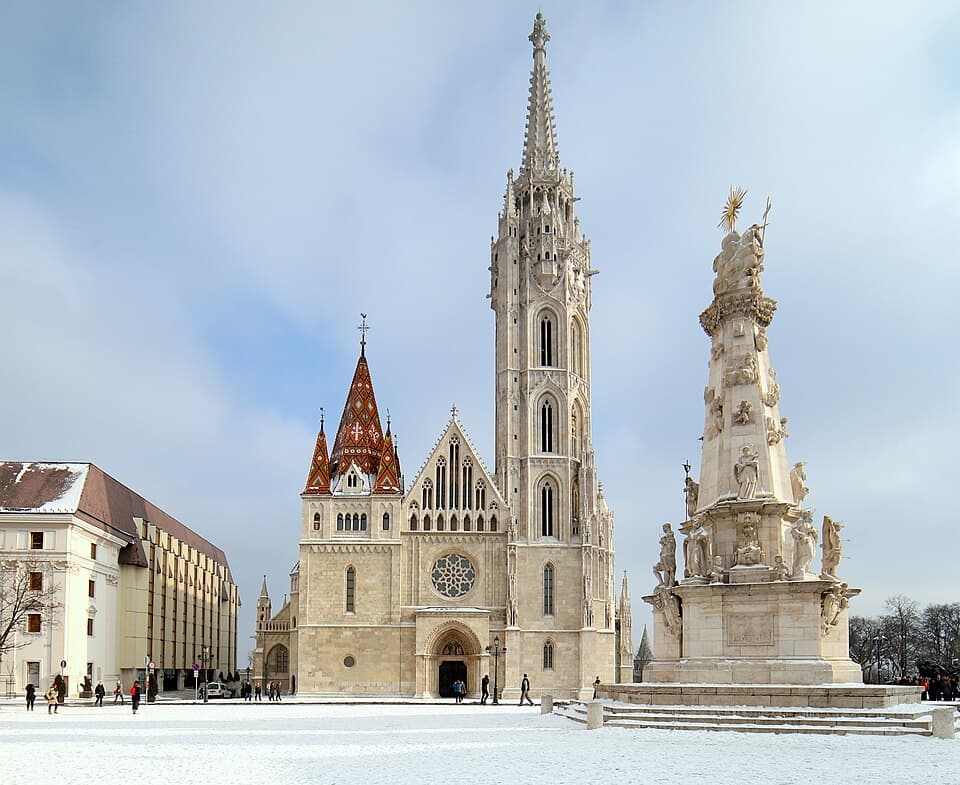
Matthias Church
A spectacular Gothic church in the heart of Budapest's Castle District, rebuilt in stunning Neo-Gothic style between 1874 and 1896 by architect Frigyes Schulek. Famous for its colourful diamond-patterned roof tiles and richly decorated interior of frescoes, stained glass, and medieval stonework.
Best Time
Year-round. Classical music concerts held inside the church are acoustic and atmospheric.
Insider Tip
Climb to the church gallery...
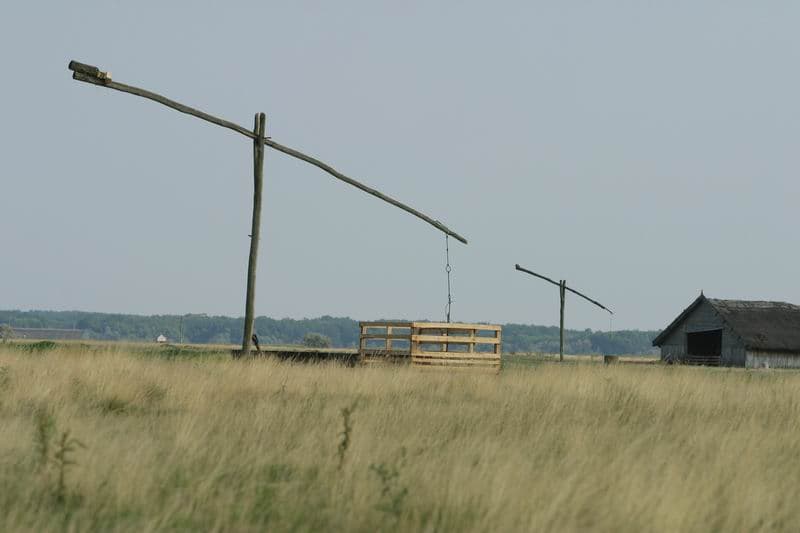
Hortobágy National Park
A UNESCO World Heritage national park on the Hungarian Great Plain (puszta) — the largest semi-arid grassland in Europe. Home to traditional Hungarian pastoral culture, grey cattle (the ancient Hungarian breed), Racka sheep, and extraordinary bird migrations (500,000 cranes in autumn).
Best Time
October for spectacular crane migration (200,000–500,000 cranes). May for breeding birds. Csikós shows run May–September.
Insider Tip
Book the horse show (csikós...
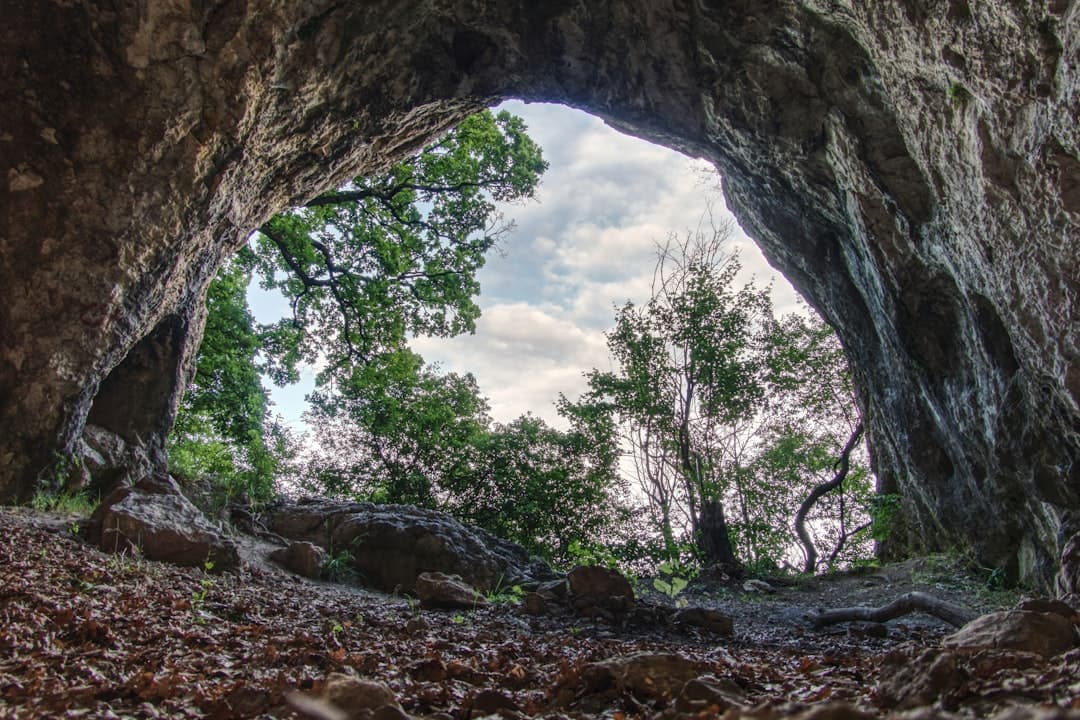
Aggtelek Caves
The Aggtelek Karst and Slovak Karst UNESCO World Heritage cave system — the largest stalactite cave in Europe, with Baradla Cave's main gallery stretching 25km through the Hungarian-Slovak border. The 'Concert Hall' chamber is used for actual classical music concerts due to its extraordinary acoustics.
Best Time
Year-round — the cave temperature is a constant 10°C. Concerts in the cave chamber are held in summer.
Insider Tip
Book the full 5km guided...
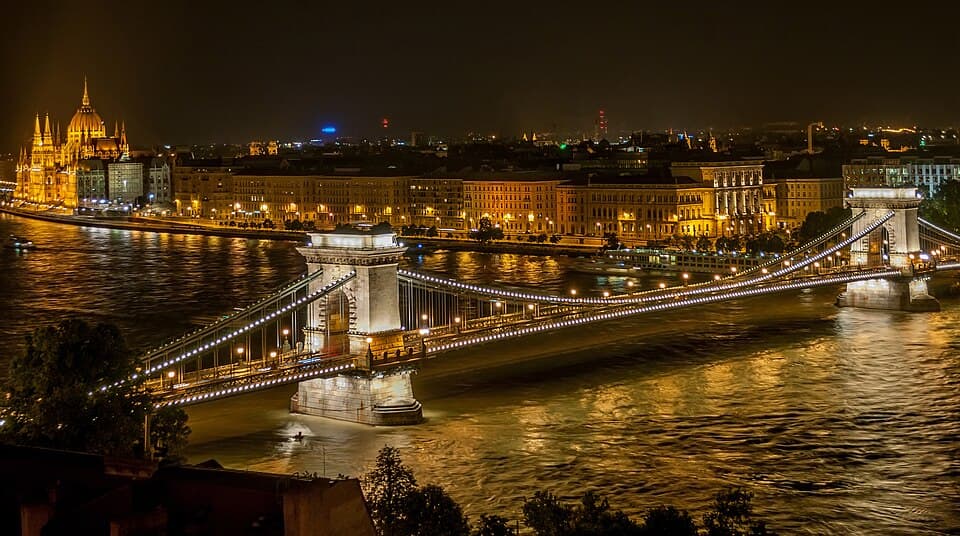
Chain Bridge (Budapest)
Budapest's most iconic landmark, the Széchenyi Chain Bridge (Széchenyi Lánchíd) was the first permanent stone bridge connecting Buda and Pest when it opened in 1849. Designed by English engineer William Tierney Clark and supervised by Scottish engineer Adam Clark, it became the symbol of Hungarian modernisation and national pride.
Best Time
Year-round. The bridge is most beautiful at night when lit up. Walk across at sunset for the best light.
Insider Tip
Walk the bridge at night...
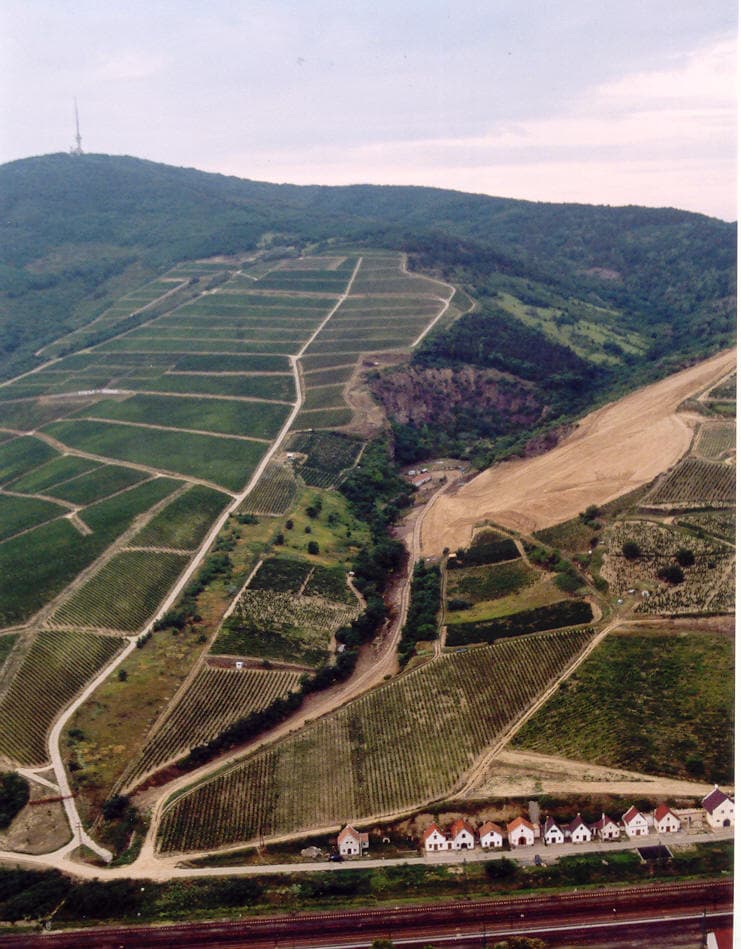
Tokaj Wine Region
A UNESCO World Heritage wine region — the world's oldest wine appellation, established in 1737 — producing the legendary Tokaji Aszú dessert wine, once called 'Wine of Kings, King of Wines' by Louis XIV. The region's combination of volcanic soils, river mists, and noble rot (botrytis) creates conditions for uniquely concentrated sweet wines.
Best Time
September–October for harvest season. Year-round for cellar visits.
Insider Tip
Visit the historic Rákóczi Cellar...
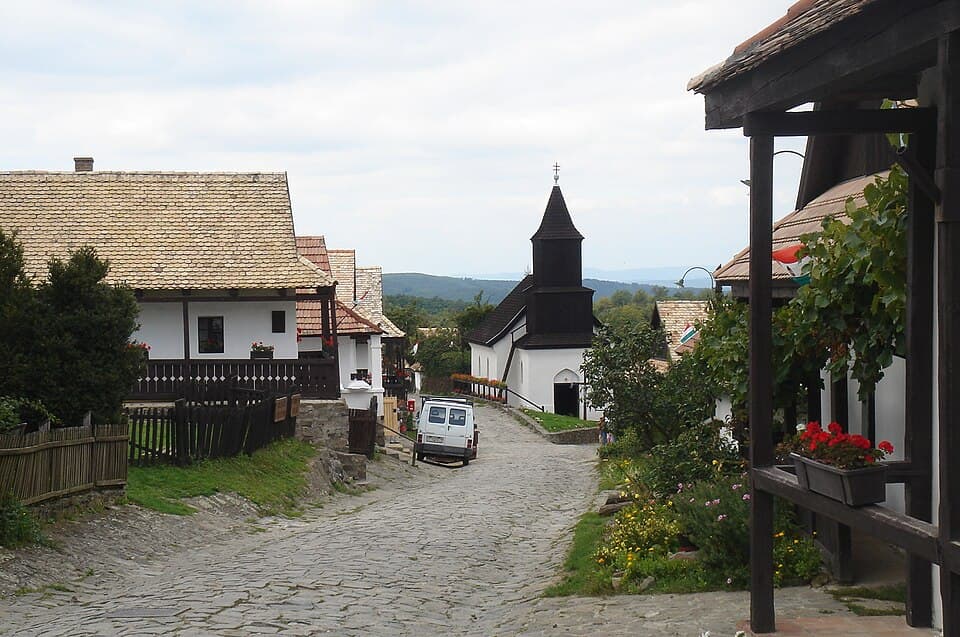
Hollókő Village
A UNESCO World Heritage perfectly preserved traditional Hungarian Palóc village, listed since 1987. The 55 traditional whitewashed houses with wooden verandas and carved gates are still inhabited by local families who maintain traditional dress, crafts, and the Easter festival that is one of Hungary's most colourful folk events.
Best Time
Easter weekend (March–April) for the famous costume festival. May–September for gentle rural atmosphere and good weather.
Insider Tip
Stay overnight in one of...
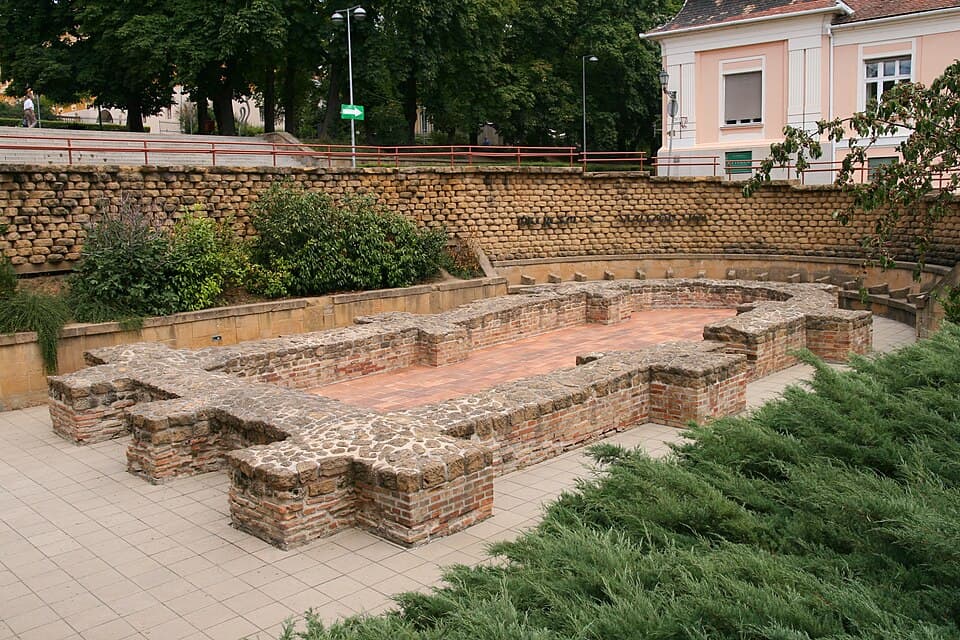
Pécs Early Christian Necropolis
A UNESCO World Heritage site — one of the largest Early Christian burial complexes in Europe, with 4th-century painted tomb chambers decorated with vivid Christian frescoes beneath the streets of Pécs. Pécs itself is Hungary's most Mediterranean city with a magnificent cathedral, Ottoman Mosque (now a church), and an arts scene.
Best Time
April–October. Pécs has a mild climate — one of Hungary's sunniest cities.
Insider Tip
Don't miss the Csontváry Museum...
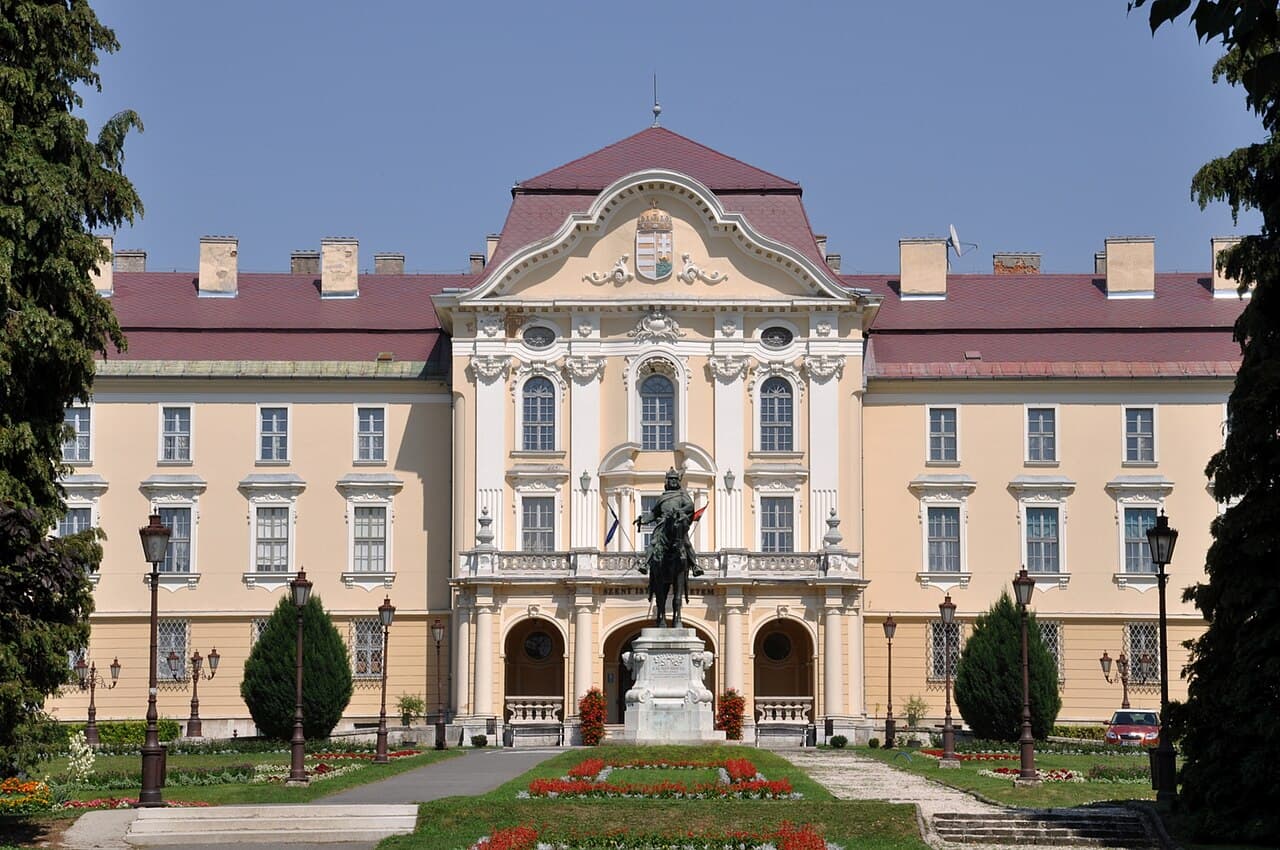
Gödöllő Royal Palace
The largest Baroque palace in Hungary and the second-largest in Central Europe, built in the 1730s by the Grassalkovich family and later the favourite summer residence of Emperor Franz Joseph I and his beloved wife Empress Elisabeth (Sisi). The perfectly restored state rooms contain original 18th-century furnishings and Habsburg memorabilia.
Best Time
April–October. The Baroque Palace Festival in September features period performances in the palace gardens.
Insider Tip
The Empress's apartment suite is...
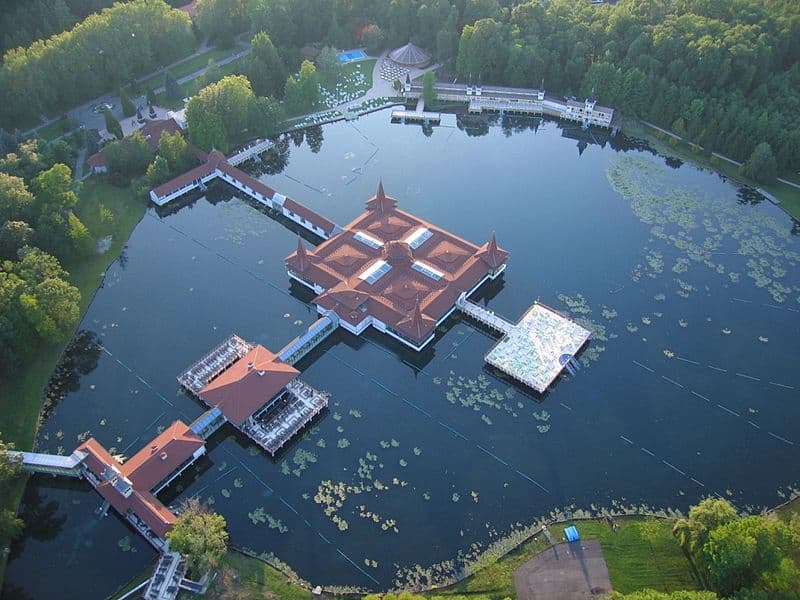
Lake Hévíz
The world's largest natural thermal lake (47,500 m²) fed by a geothermal spring at 38–41°C, allowing year-round outdoor bathing. The surface is covered with lotus flowers in summer; the bottom is a layer of healing therapeutic mud. Hévíz has been a therapeutic bathing site for over 2,000 years.
Best Time
December–February for the ethereal experience of hot lake bathing in winter mist. June for the lotus flowers in bloom.
Insider Tip
Rent a rubber ring from...
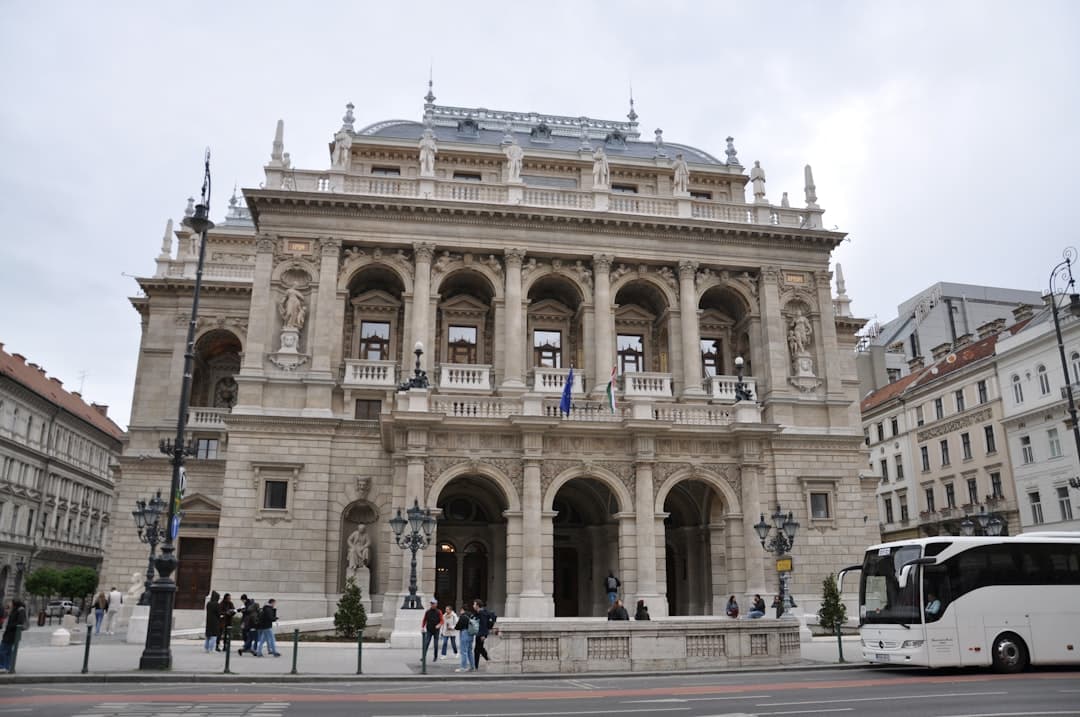
Hungarian State Opera House
One of the most beautiful Neo-Renaissance opera houses in the world, built between 1875 and 1884 by architect Miklós Ybl on Budapest's grand Andrássy Avenue (UNESCO World Heritage). The gilded interior with its 1,200 crystal chandelier, ceiling frescoes by Bertalan Székely, and perfect acoustics ranks among the finest opera houses in Europe.
Best Time
September–June for the opera season. Opera tickets sell out fast — book weeks in advance. Tours run daily.
Insider Tip
Book an opera performance rather...
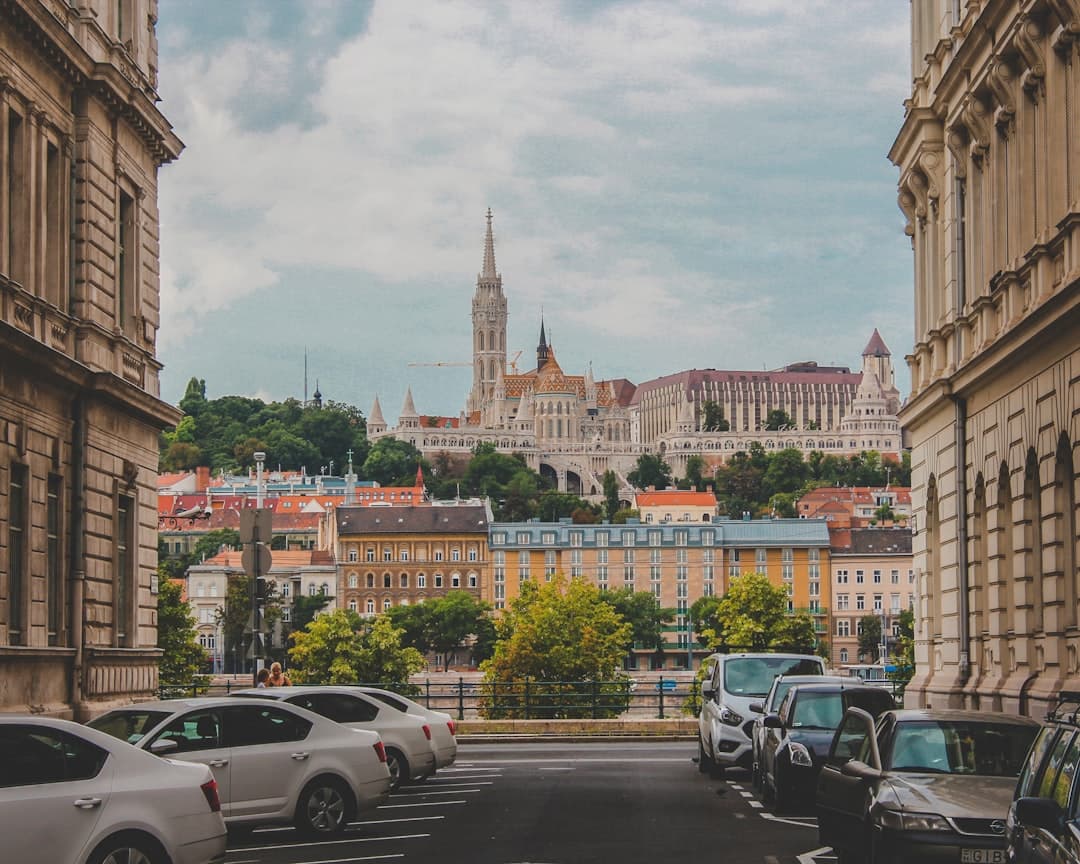
Budapest Jewish Quarter & Ruin Bars
Budapest's historic Jewish Quarter in the 7th District contains the magnificent Dohány Street Synagogue (the largest in Europe), the Hungarian Jewish Museum, and a Holocaust Memorial in the Garden of Memory. The same neighbourhood is also home to Budapest's extraordinary ruin bars (romkocsmák) — bars built in abandoned pre-war buildings.
Best Time
Year-round. Ruin bars are most atmospheric in autumn and winter. The Jewish Quarter is most visited April–October.
Insider Tip
Visit Szimpla Kert (the original...
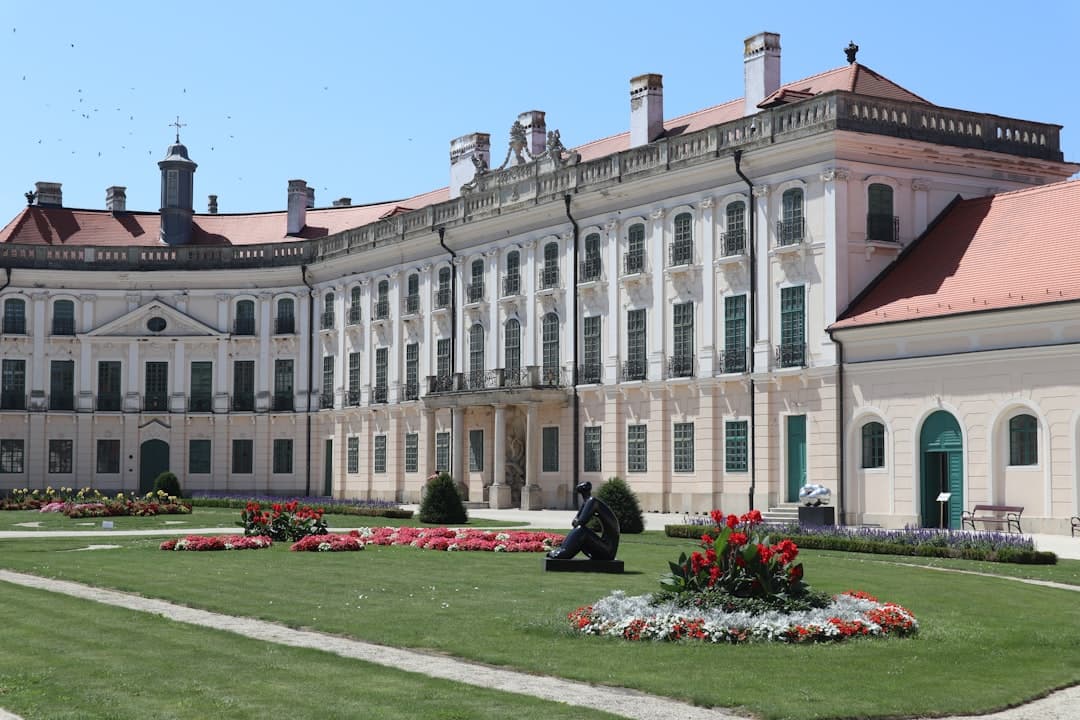
Esterházy Palace (Fertőd)
Hungary's most magnificent Baroque palace, built by Prince Nikolaus I Esterházy between 1762 and 1784 and known as the 'Hungarian Versailles.' The 126-room palace has 200 acres of formal French gardens, and was the workplace of composer Joseph Haydn for 30 years — his famous 'Farewell Symphony' was written here.
Best Time
May–September for garden visits. The Haydn Days (September) concert festival is the highlight of the year.
Insider Tip
Book the Haydn Days concert...
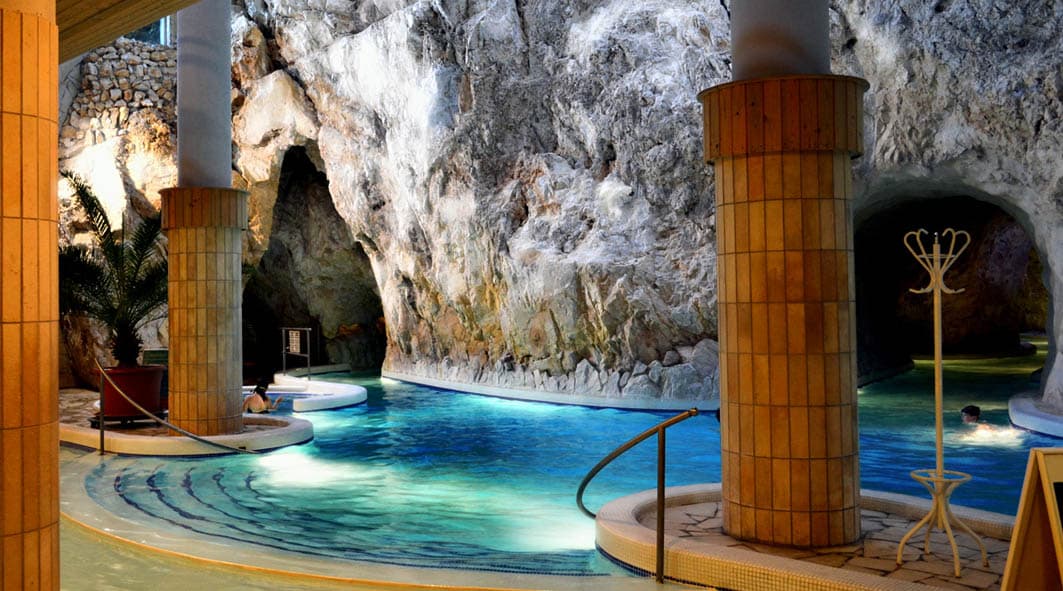
Miskolc-Tapolca Cave Bath
A unique thermal bathing complex partly situated inside naturally formed limestone caves, with pools carved from cave rock and connected by underground passages. The natural cave water maintains a constant 30°C and the cave atmosphere — with stalactites, warm mist, and atmospheric lighting — creates a genuinely otherworldly experience.
Best Time
Year-round. Winter visits are particularly atmospheric with steam in the cave passages.
Insider Tip
Arrive early morning (the baths...
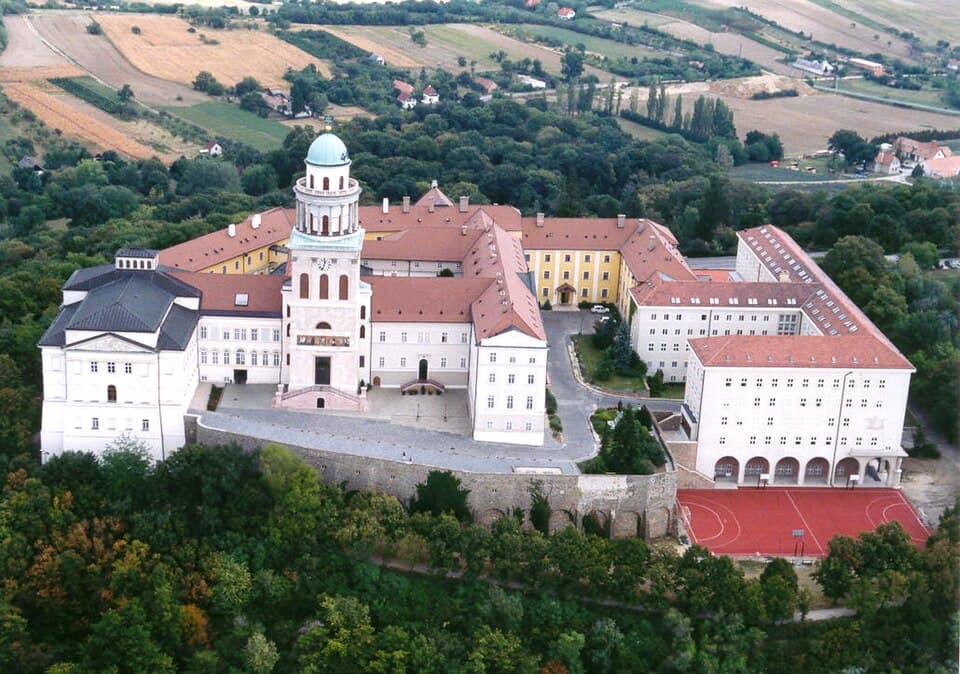
Pannonhalma Archabbey
A UNESCO World Heritage Benedictine archabbey founded in 996 AD — one of the oldest monasteries in the world still continuously inhabited by monks. The hilltop complex includes a Romanesque basilica, Gothic cloister, monumental Baroque library with 360,000 books, and working winery.
Best Time
April–October. The Benedictine wine produced at the monastery (available in the cellar shop) is outstanding.
Insider Tip
Join one of the guided...
Travel Tips for Hungary
- 1.
Try the thermal baths (Széchenyi is the most famous)
- 2.
Forint is the currency
- 3.
Tokaji wine is a must-try