
Discover
Iceland
A land of fire and ice featuring geysers, glaciers, and the elusive Northern Lights.
Top Destinations
Explore our curated selection of landmarks and cities you must visit.

Blue Lagoon
The Blue Lagoon is Iceland's most famous geothermal spa, renowned for its milky-blue, mineral-rich waters. Surrounded by a dramatic black lava field, the steaming lagoon offers an otherworldly bathing experience. The water's unique blend of silica, algae, and minerals is highly acclaimed for its skin-nourishing properties and rejuvenating effects. It's a luxurious oasis where guests can unwind in warm waters year-round.
Best Time
Year-round; early morning or late evening for fewer crowds.
Insider Tip
Book the Retreat Spa for...
Golden Circle
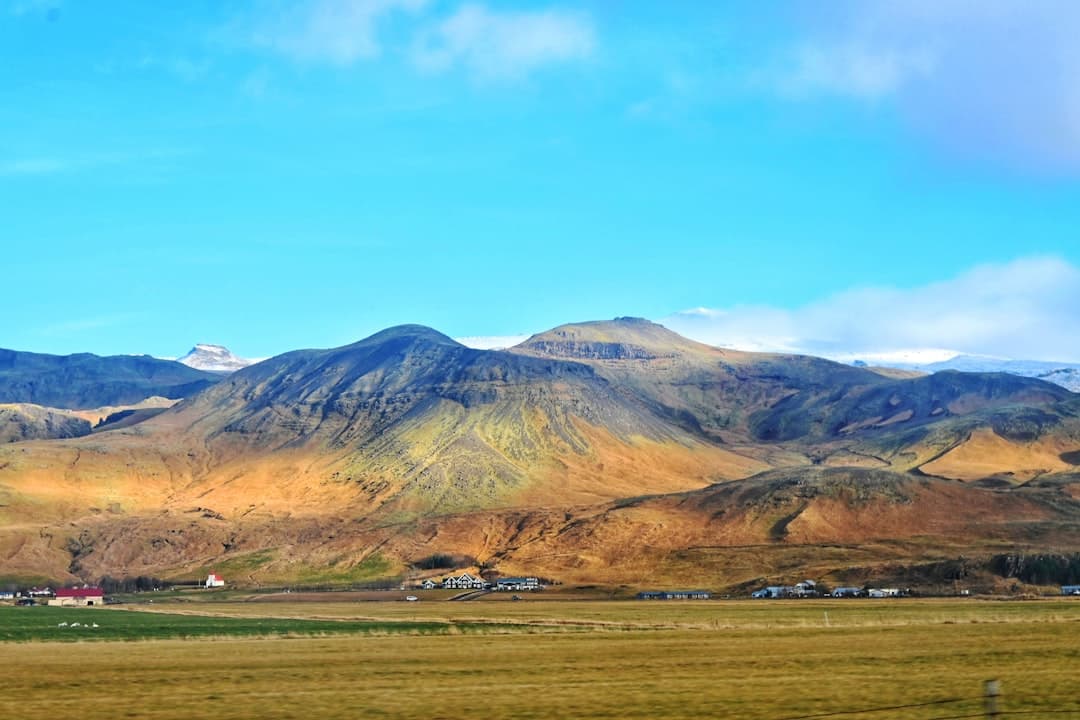
The Golden Circle is Iceland's most iconic tourist route, encompassing three major natural wonders: Thingvellir National Park, the Geysir Geothermal Area, and Gullfoss Waterfall. This historic and geological showcase allows travelers to witness tectonic rifts, erupting hot springs, and thunderous glacial waterfalls all in one day. The route spans roughly 300 kilometers, weaving through some of the country's most dramatic and pristine landscapes. It serves as the perfect introduction to the untamed beauty of the Icelandic wilderness.
Best Time
Summer for endless daylight; winter for a chance to see the Northern Lights.
Insider Tip
Take a slight detour to...
Gullfoss Waterfall
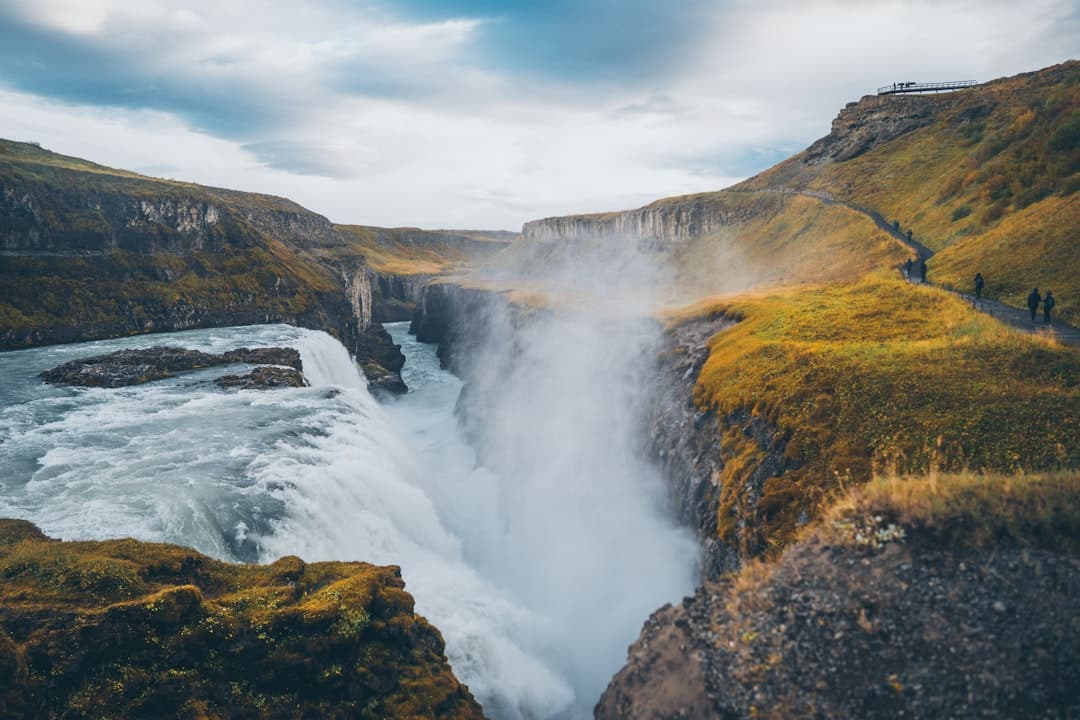
Gullfoss, or the 'Golden Falls,' is one of Iceland's most powerful and breathtaking waterfalls. Fed by the Langjökull glacier, the Hvítá river plunges into a deep, rugged canyon in two dramatic tiers. On sunny days, the mist from the roaring cascade frequently creates brilliant rainbows across the gorge. The sheer volume of water and the deafening roar of the falls showcase nature's unrestrained force.
Best Time
June to August for pleasant weather; winter for dramatic ice formations.
Insider Tip
Walk down the lower trail...
Thingvellir National Park
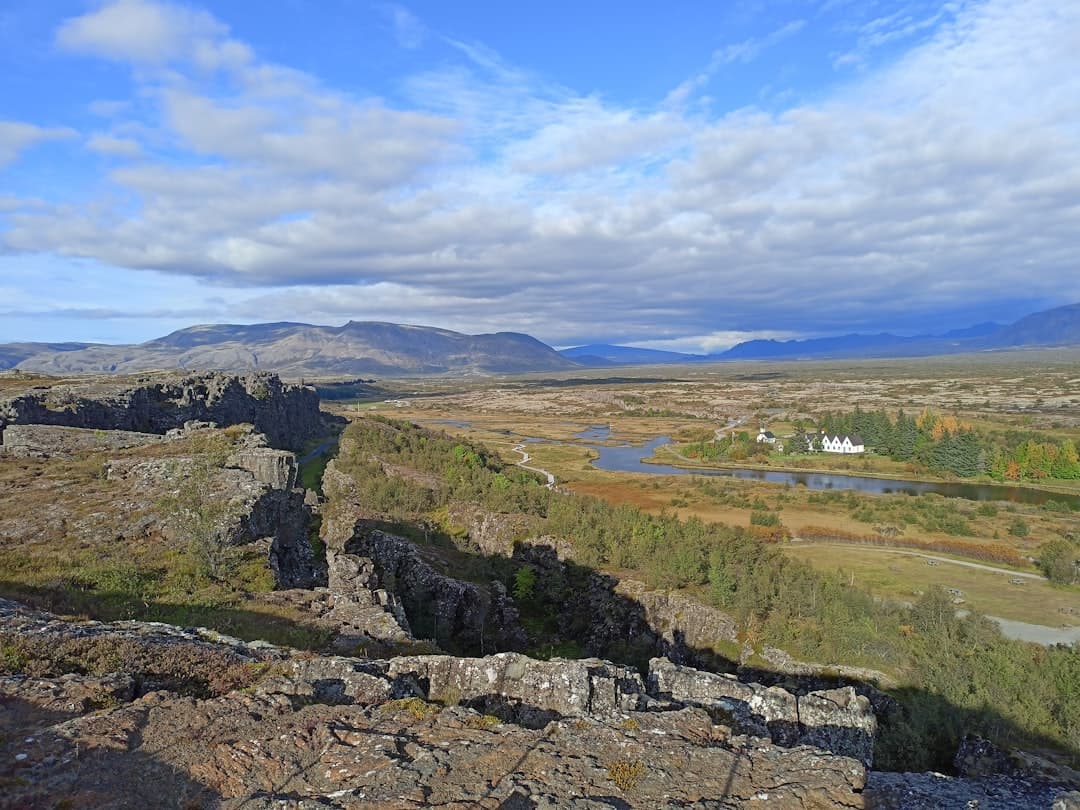
Thingvellir National Park is a UNESCO World Heritage site of immense historical and geological significance. It is the only place in the world where you can stand directly between two tectonic plates—the North American and Eurasian—as they slowly drift apart. This breathtaking rift valley is also the birthplace of the Althing, the world's oldest surviving parliament, founded in 930 AD. The park is characterized by dramatic fissures, clear glacial springs, and sweeping vistas of Lake Thingvallavatn.
Best Time
May to September for hiking; year-round for Silfra snorkeling.
Insider Tip
Book a drysuit snorkeling tour...
Geysir Geothermal Area
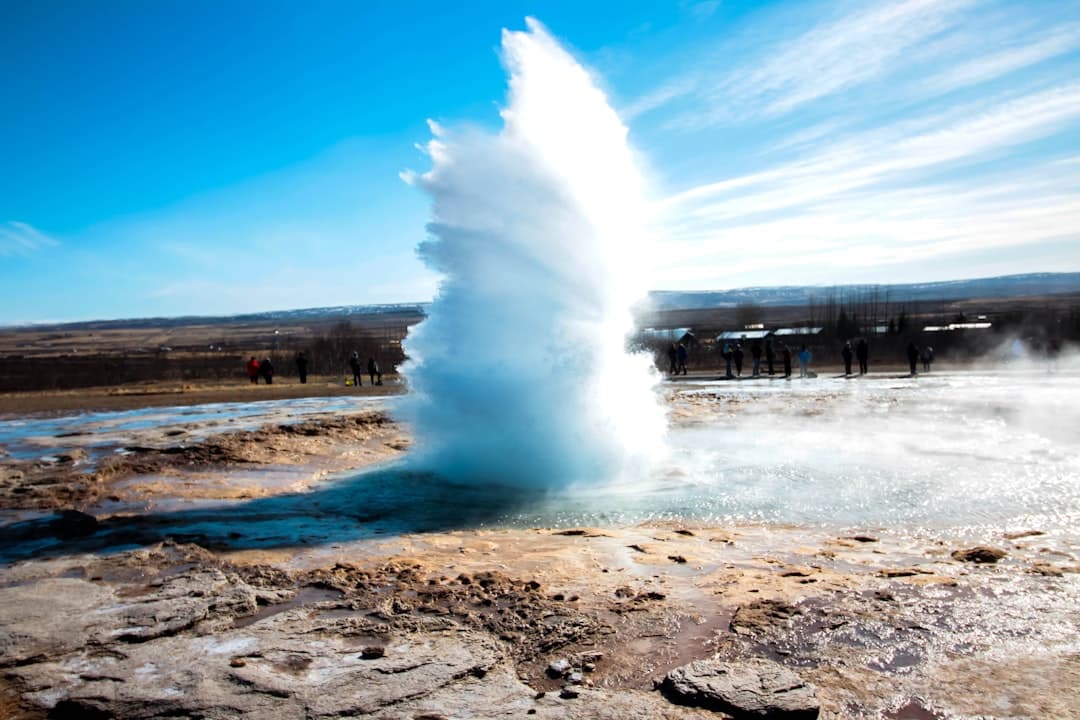
The Geysir Geothermal Area is a highly active field of boiling mud pits, steaming vents, and erupting geysers. It is home to the Great Geysir, which lent its name to all other geysers globally, though it is currently dormant. The main attraction today is Strokkur, an incredibly reliable geyser that shoots a massive column of boiling water 15 to 20 meters into the air every few minutes. The surrounding landscape is painted with vibrant mineral deposits, creating a surreal and dynamic environment.
Best Time
Early morning or late afternoon to avoid the peak tour bus crowds.
Insider Tip
Hike up the small hill...
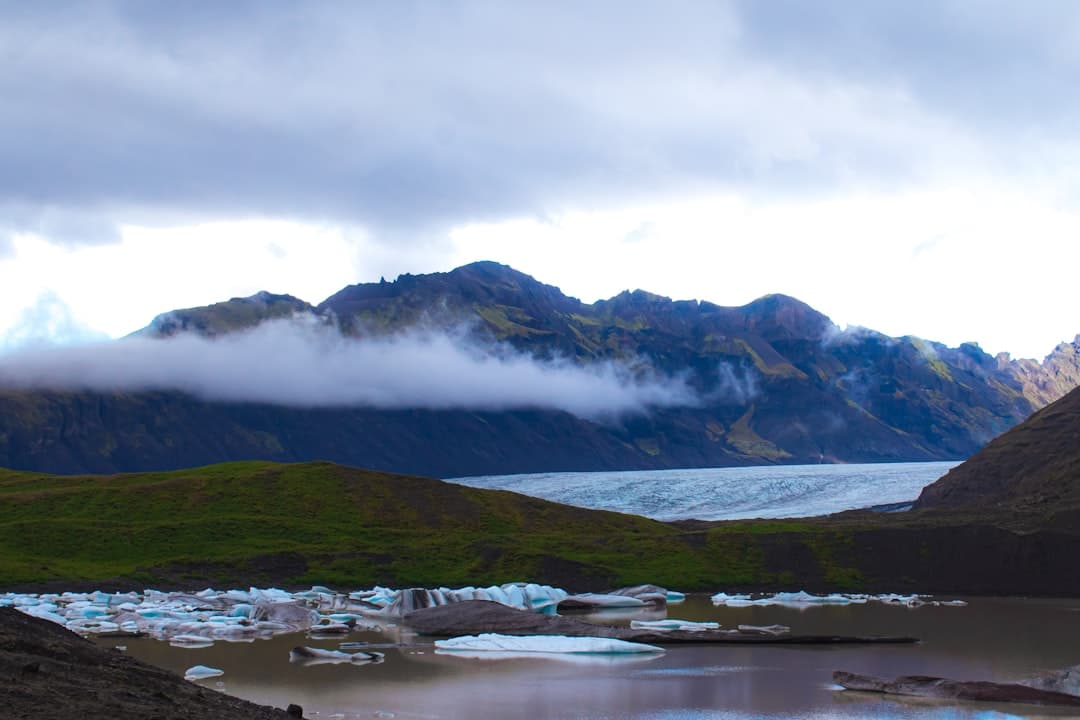
Jokulsarlon Glacier Lagoon
Jökulsárlón is a mesmerizing glacial lagoon filled with massive, luminous blue icebergs that have calved from the Breiðamerkurjökull glacier. The lagoon connects to the ocean, causing the icebergs to drift slowly out to sea while seals often swim among them. The ethereal glow of the ancient ice against the dark water creates a landscape of unparalleled, tranquil beauty. It is frequently considered the crown jewel of Iceland's natural wonders, constantly changing as the ice melts and shifts.
Best Time
July and August for boat tours; winter to explore nearby ice caves.
Insider Tip
Take a Zodiac tour instead...
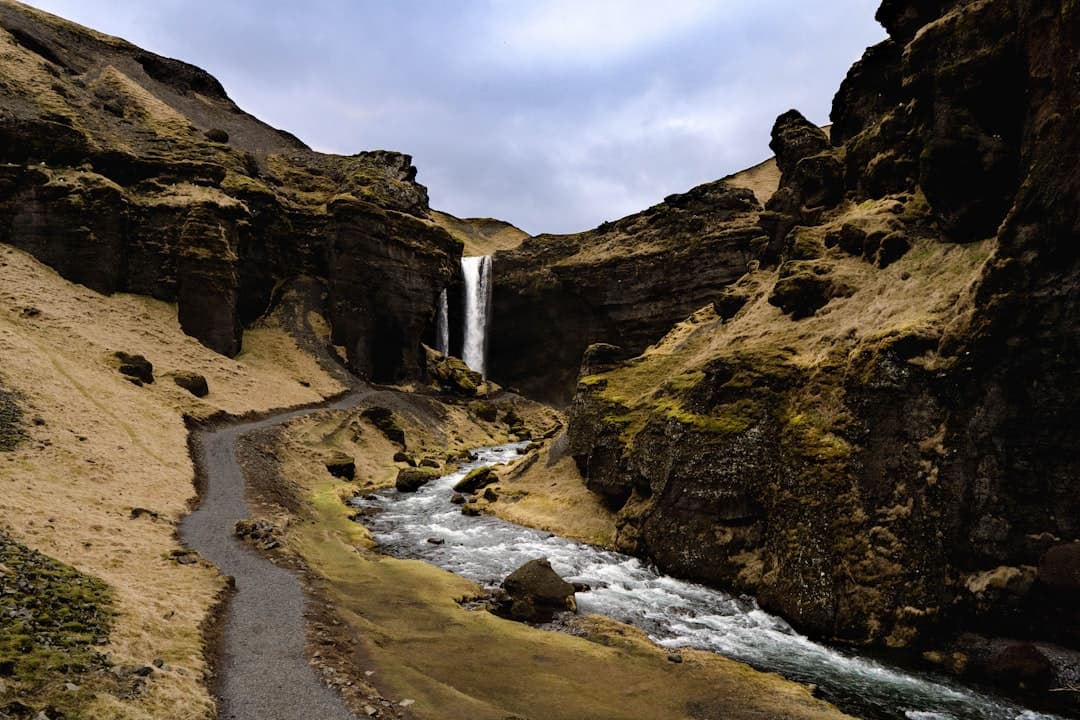
Skogafoss Waterfall
Skógafoss is one of Iceland's largest and most elegant waterfalls, boasting a width of 25 meters and a dramatic drop of 60 meters. The sheer curtain of water falls continuously on flat land, allowing visitors to walk right up to the wall of water. Due to the immense amount of spray it produces, single or double rainbows are a common sight on sunny days. A steep staircase alongside the waterfall leads to an observation platform offering breathtaking views of the coastline.
Best Time
Summer for hiking the trails above; sunny days for the best rainbow sightings.
Insider Tip
Climb the 500+ steps to...
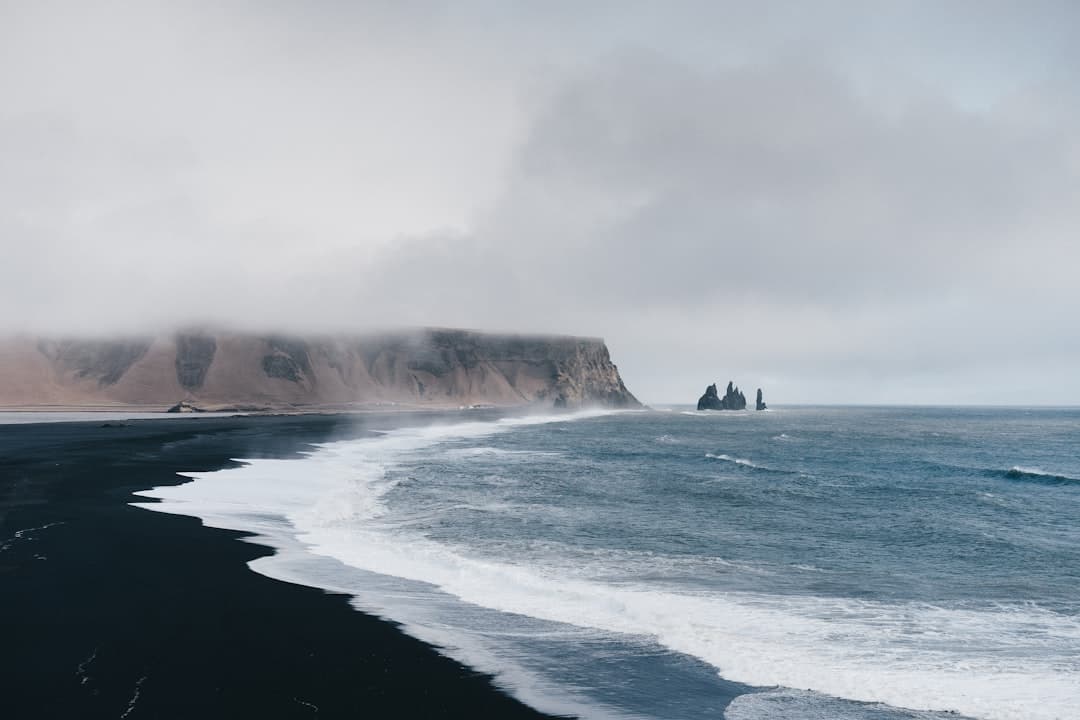
Reynisfjara Black Sand Beach
Reynisfjara is a world-famous black sand beach known for its striking beauty and dangerous, powerful Atlantic waves. The beach is framed by massive, geometric basalt column cliffs that resemble a rocky step pyramid. Offshore, the imposing Reynisdrangar sea stacks rise dramatically from the ocean, steeped in local folklore of trolls turned to stone. The contrast between the stark black sand, the white foam of the crashing waves, and the dark basalt creates an intensely moody and beautiful atmosphere.
Best Time
Early morning to avoid crowds and experience the moody atmosphere.
Insider Tip
Never turn your back on...
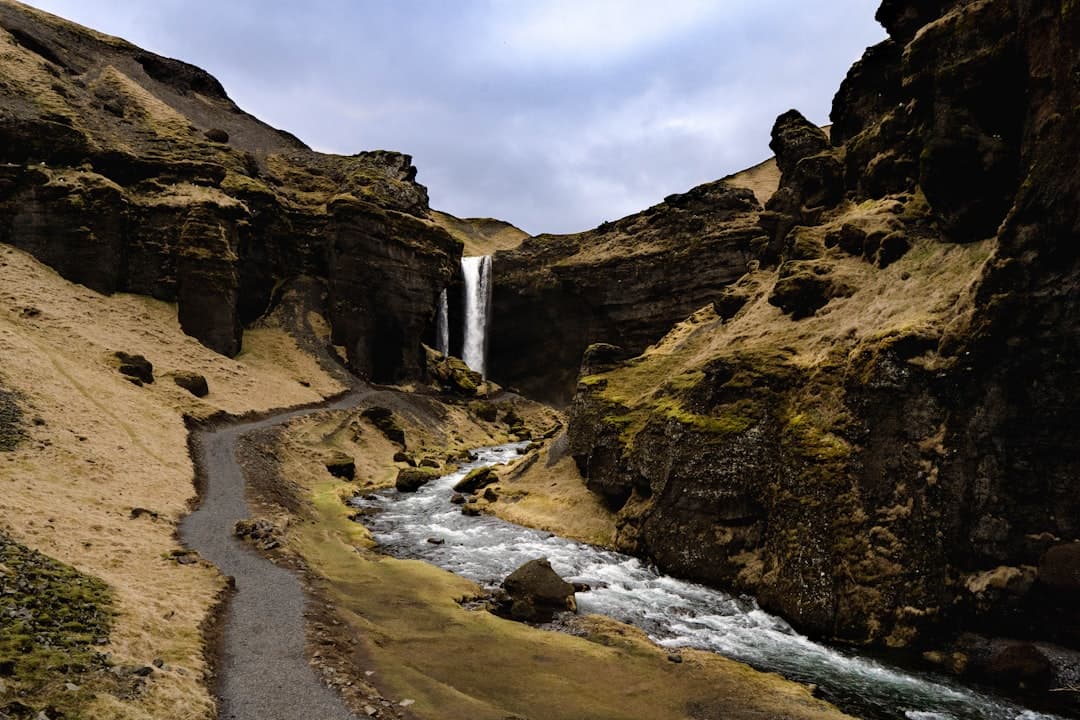
Seljalandsfoss Waterfall
Seljalandsfoss is an iconic waterfall that plunges 60 meters over a former sea cliff into a lush green meadow. Its most unique feature is a pathway that stretches around and behind the cascading water, allowing visitors to view the falls from a 360-degree perspective. This immersive experience offers breathtaking views of the surrounding countryside framed by the curtain of falling water. During the midnight sun of summer, the light shining through the water creates a truly magical scene.
Best Time
Summer evenings during the midnight sun for spectacular lighting.
Insider Tip
Wear waterproof clothing, as you...

Vatnajokull National Park
Vatnajökull National Park is Europe's largest national park, encompassing the colossal Vatnajökull glacier and the diverse volcanic landscapes surrounding it. The park covers over 14% of Iceland and features everything from active subglacial volcanoes and sprawling ice caps to deep canyons and roaring waterfalls. It is a realm of extreme contrasts where fire and ice continuously shape the terrain. This vast wilderness protects some of the most dynamic and unspoiled ecosystems in the world.
Best Time
Winter (Nov-March) for ice caves; Summer for comprehensive hiking and glacier access.
Insider Tip
Book a private, guided super-jeep...

Snaefellsnes Peninsula
Often referred to as 'Iceland in Miniature,' the Snæfellsnes Peninsula encapsulates all of the country's diverse landscapes in one region. It features the majestic Snæfellsjökull volcano and glacier, which famously served as the setting for Jules Verne's 'Journey to the Center of the Earth.' The coastline is dotted with dramatic cliffs, black pebble beaches, charming fishing villages, and expansive lava fields. It is an incredibly scenic and less crowded alternative to the southern tourist routes.
Best Time
May to September for accessibility; winter for snowy landscapes and Northern Lights.
Insider Tip
Walk the coastal path between...
Lake Myvatn
Lake Mývatn is a stunningly beautiful volcanic lake region known for its rich birdlife and bizarre geothermal features. The area is defined by pseudocraters, steaming lava fields, and bubbling mud pots, creating a landscape that looks entirely alien. The mineral-rich, alkaline waters of the lake support a vibrant ecosystem, making it one of the best bird-watching destinations in Europe. The nearby Mývatn Nature Baths offer a luxurious geothermal soaking experience comparable to the Blue Lagoon but with a more intimate, northern charm.
Best Time
Summer for bird watching and hiking; winter for snowmobiling and Northern Lights.
Insider Tip
Visit the Dimmuborgir 'Dark Castles'...
Diamond Beach
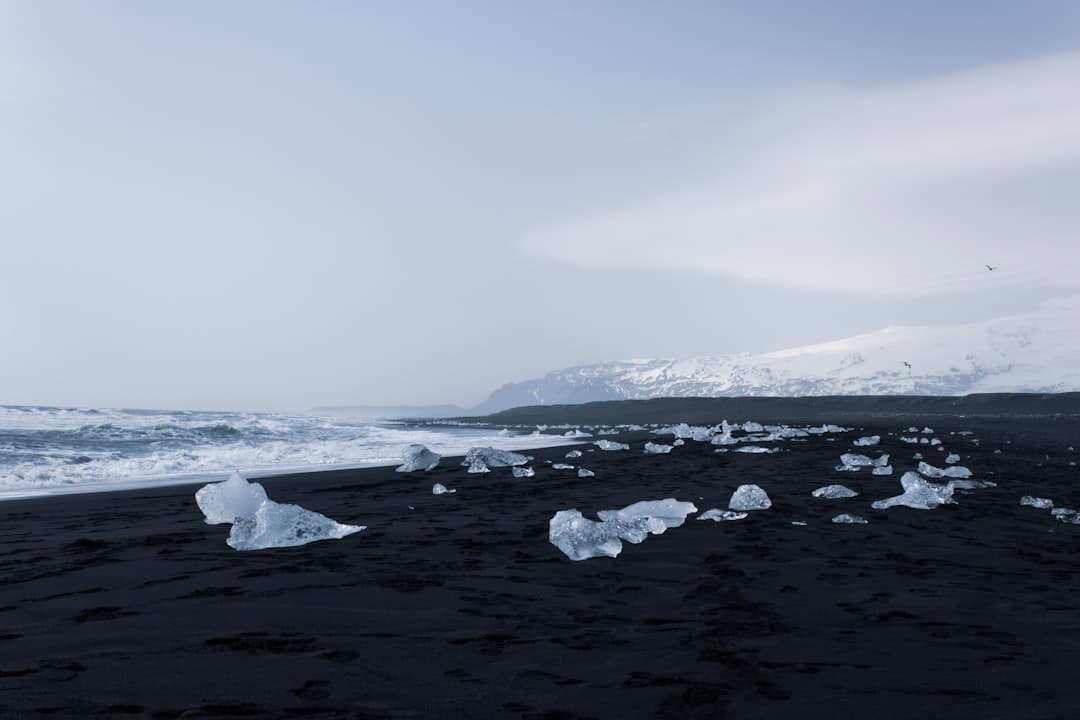
Diamond Beach is a striking strip of black sand where chunks of ancient glacial ice wash ashore from the nearby Jökulsárlón lagoon. These icebergs, sculpted by the ocean and polished by the waves, glisten like massive diamonds against the dark volcanic sand. The ice pieces range in size from small pebbles to large boulders, and their brilliant blue and clear hues create an ever-changing art gallery carved by nature. The beach is a poignant and deeply beautiful display of the glacier's final journey to the sea.
Best Time
Winter for the largest ice blocks; beautiful at golden hour (sunrise/sunset) year-round.
Insider Tip
The ice distribution changes daily...
Dettifoss Waterfall
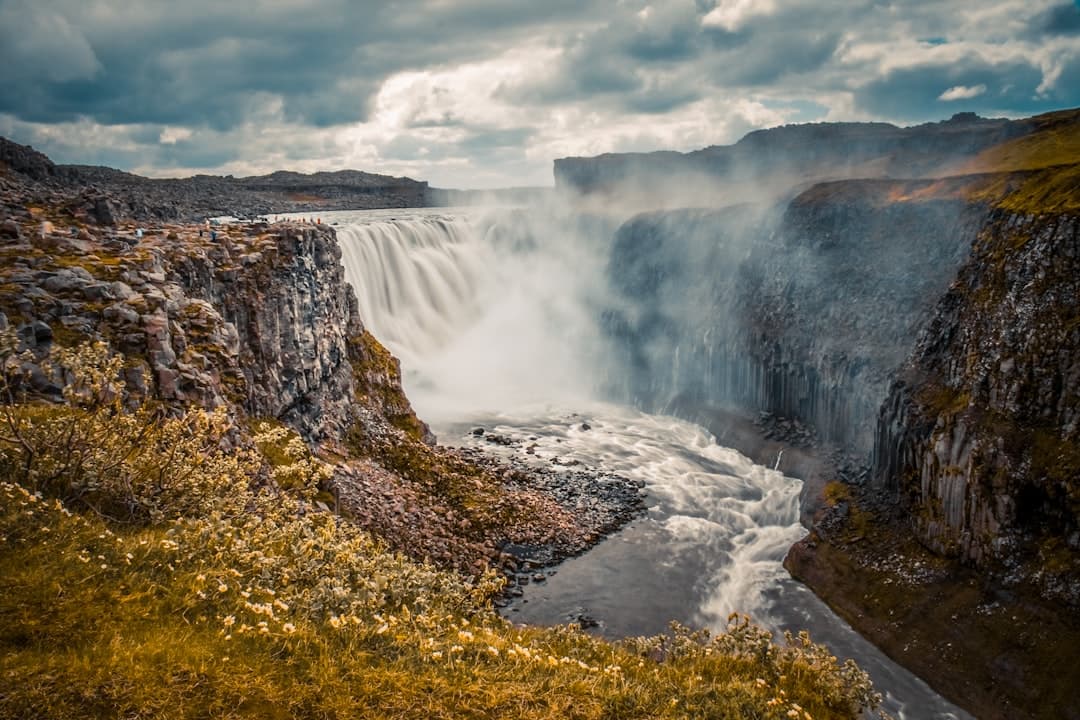
Dettifoss holds the title of the most powerful waterfall in Europe, characterized by its sheer volume and terrifying force. The glacial water from Vatnajökull is dense with sediment, giving the falls a milky, greyish-white appearance as it plunges 44 meters into the deep Jökulsárgljúfur canyon. The roaring vibration of the water can be felt through the bedrock long before the falls are visible. The surrounding landscape is stark, rocky, and almost lunar, emphasizing the brutal power of the cascade.
Best Time
Summer (June to September) when both access roads (East and West) are typically open.
Insider Tip
Visit the East side (Road...

Hallgrimskirkja
Hallgrímskirkja is Reykjavik's most prominent landmark, a towering Lutheran church that dominates the city skyline. Designed by Guðjón Samúelsson, its striking expressionist architecture is inspired by the basalt lava columns found across Iceland's landscape. The interior is elegantly minimalist, featuring a massive, magnificent pipe organ. The church tower, standing at 74.5 meters, serves as the ultimate observation point for the colorful rooftops of the capital and the surrounding mountains and ocean.
Best Time
Clear days for the best views from the tower; check schedules for organ concerts.
Insider Tip
Attend a choir performance or...
Asbyrgi Canyon
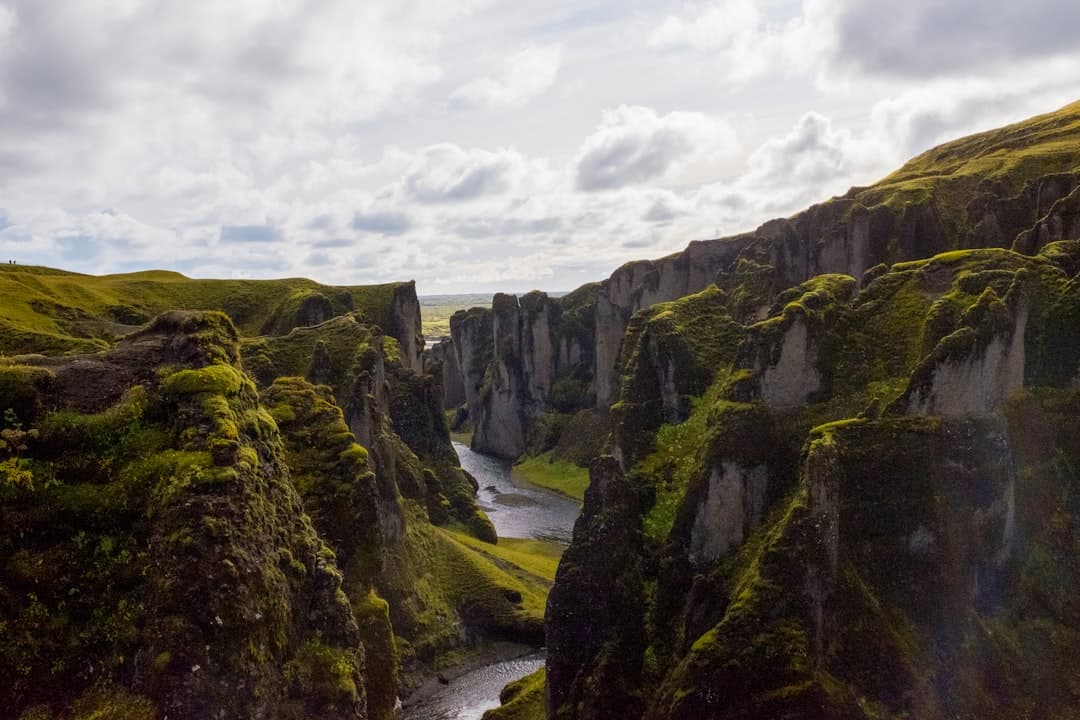
Ásbyrgi is a massive, horseshoe-shaped canyon in North Iceland, steeped in Norse mythology. Legend claims it was formed by the hoofprint of Sleipnir, Odin's eight-legged flying horse, though geologists attribute it to catastrophic glacial flooding. The canyon is sheltered by towering 100-meter vertical cliff faces and encloses a surprisingly lush birch and willow forest at its base. A tranquil pond, Botnstjörn, lies at the innermost end, creating a serene oasis amidst the rugged northern landscape.
Best Time
Summer to early autumn when the forest is vibrant and trails are fully accessible.
Insider Tip
Hike the trail to the...
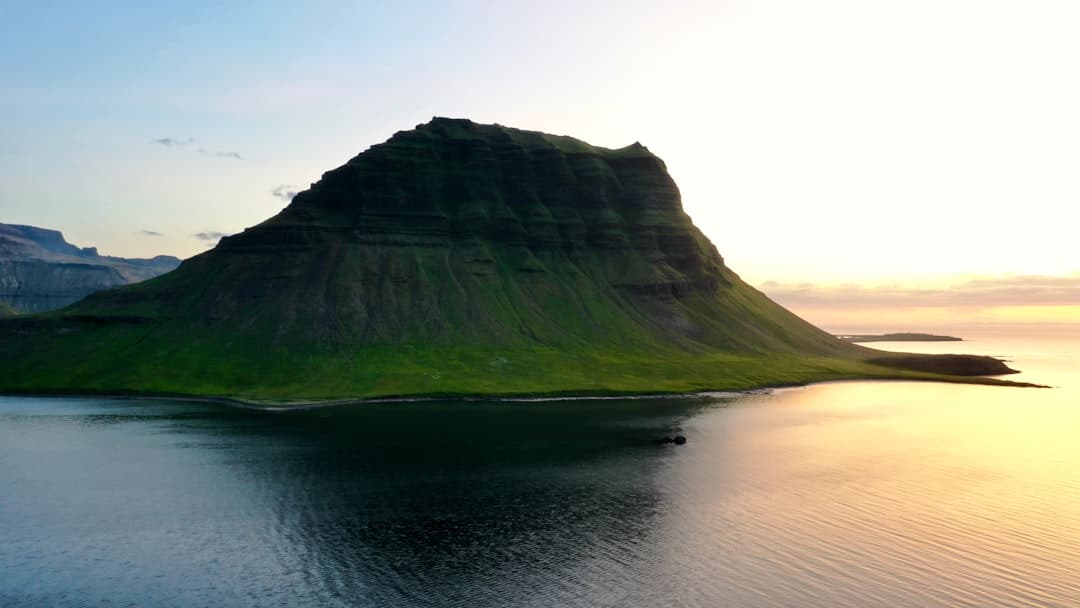
Kirkjufell Mountain
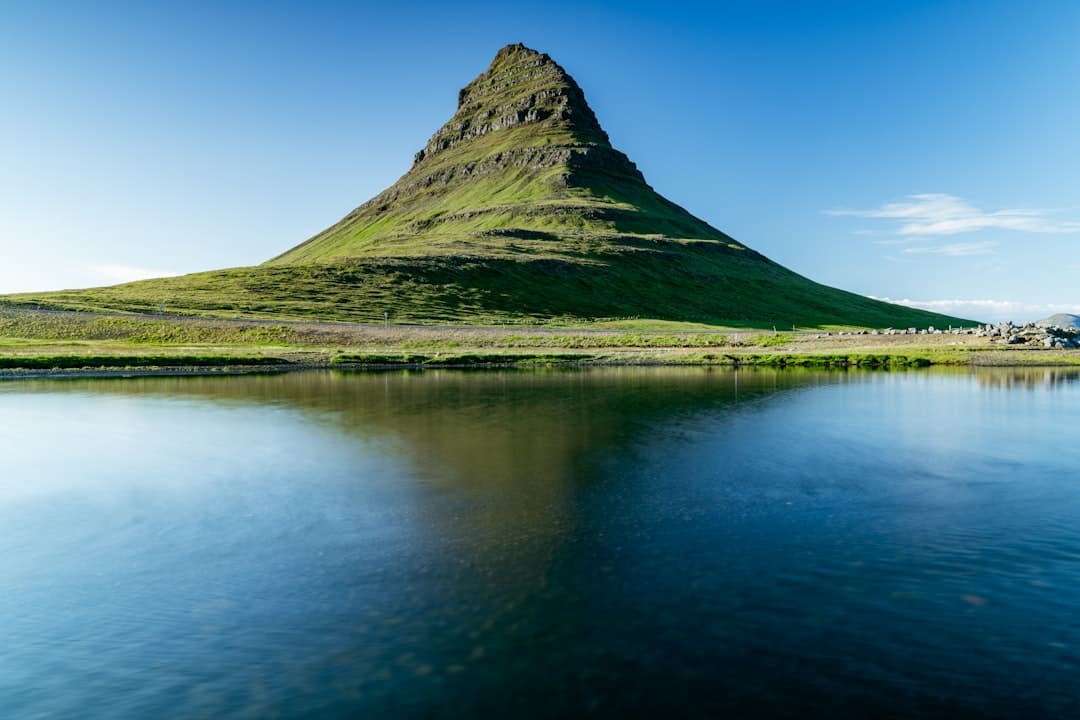
Kirkjufell, or 'Church Mountain,' is a distinctively shaped peak on the north coast of the Snæfellsnes Peninsula and is famously known as the most photographed mountain in Iceland. Its symmetrical, arrowhead-like shape rises dramatically 463 meters above the surrounding shoreline. Adjacent to the mountain are the beautiful Kirkjufellsfoss waterfalls, which provide the perfect foreground for classic landscape photography. The mountain's striking profile changes remarkably depending on the angle from which it is viewed.
Best Time
Beautiful year-round; winter nights for Northern Lights photography.
Insider Tip
Walk down to the lower...
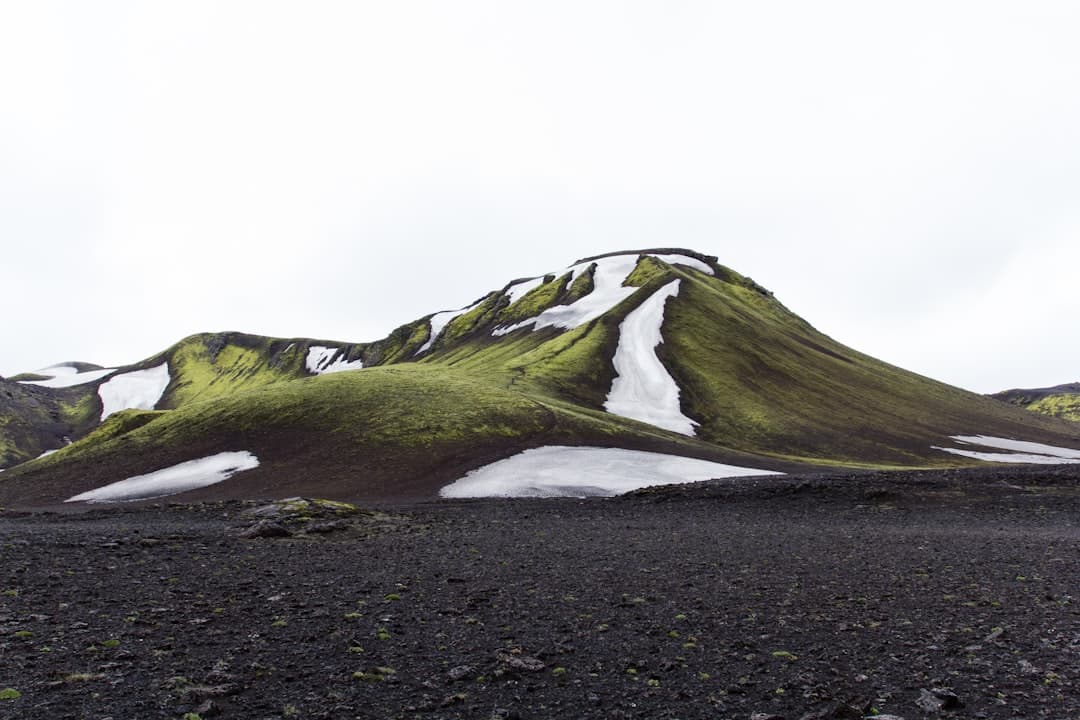
Landmannalaugar
Landmannalaugar is a geothermal oasis situated in the remote Icelandic Highlands, famous for its surreal, multi-colored rhyolite mountains. The mineral-rich slopes display an incredible palette of red, pink, green, blue, and golden yellow hues. The area is also known for its extensive natural hot springs, where a warm geothermal river meets a cold stream, creating perfect, natural bathing pools. It serves as the starting or ending point for the legendary Laugavegur hiking trail.
Best Time
Late June to early September when highland roads (F-roads) are open.
Insider Tip
Hike up Mount Bláhnjúkur (Blue...
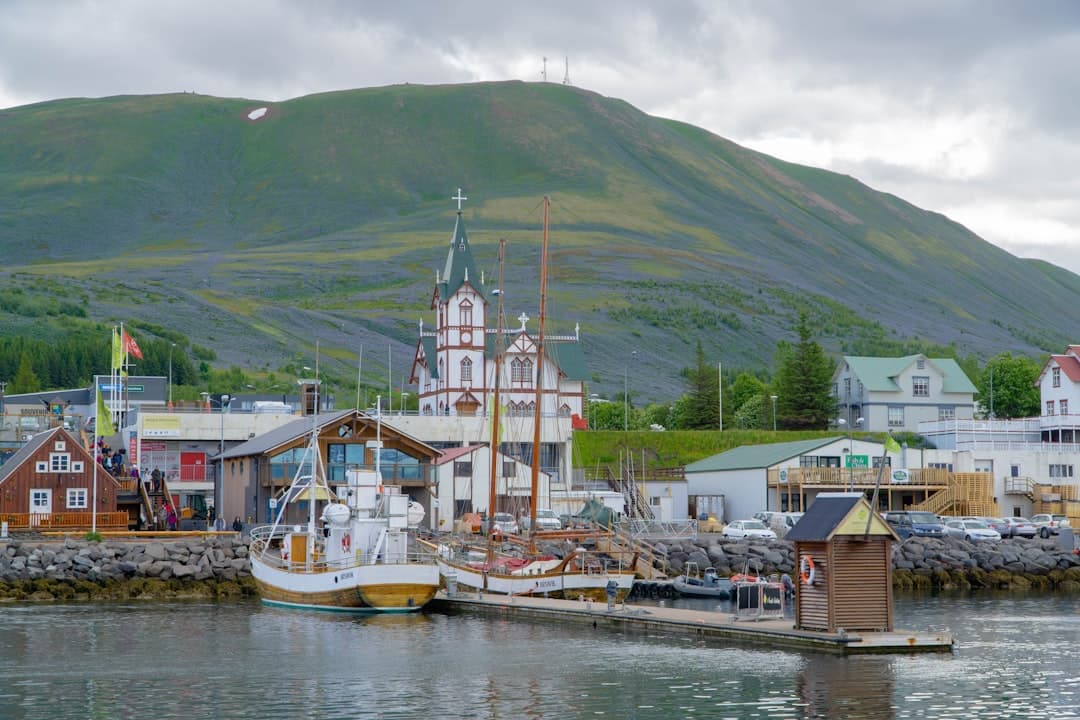
Húsavík (Whale Watching)
Húsavík is a charming coastal town in North Iceland widely recognized as the whale watching capital of Europe. The sheltered waters of Skjálfandi Bay provide a rich feeding ground that attracts numerous whale species, including humpbacks, minke whales, and occasionally blue whales. The town itself features picturesque wooden houses and the highly acclaimed Húsavík Whale Museum. Traditional oak boats and modern RIB speedboats offer varied ways to experience the marine wildlife.
Best Time
May to September for the highest concentration of whales.
Insider Tip
Book a tour on a...

Westfjords
The Westfjords is Iceland's most remote and sparsely populated region, characterized by deep, dramatic fjords and towering, sheer cliffs. This rugged peninsula is almost severed from the mainland and remains largely untouched by mainstream tourism. Highlights include the magnificent Dynjandi waterfall, the towering bird cliffs of Látrabjarg (home to millions of puffins), and numerous remote, natural hot springs. The winding, coastal dirt roads offer some of the most spectacular and vertigo-inducing drives in the country.
Best Time
June to August when the mountain passes are clear of snow and safe to drive.
Insider Tip
Take your time visiting the...
Travel Tips for Iceland
- 1.
Book the Blue Lagoon in advance
- 2.
Rent a 4x4 for highlands
- 3.
Bring layers for all weather