
Discover
Italy
Discover ancient ruins, masterpiece art, and world-renowned gastronomy.
Top Destinations
Explore our curated selection of landmarks and cities you must visit.
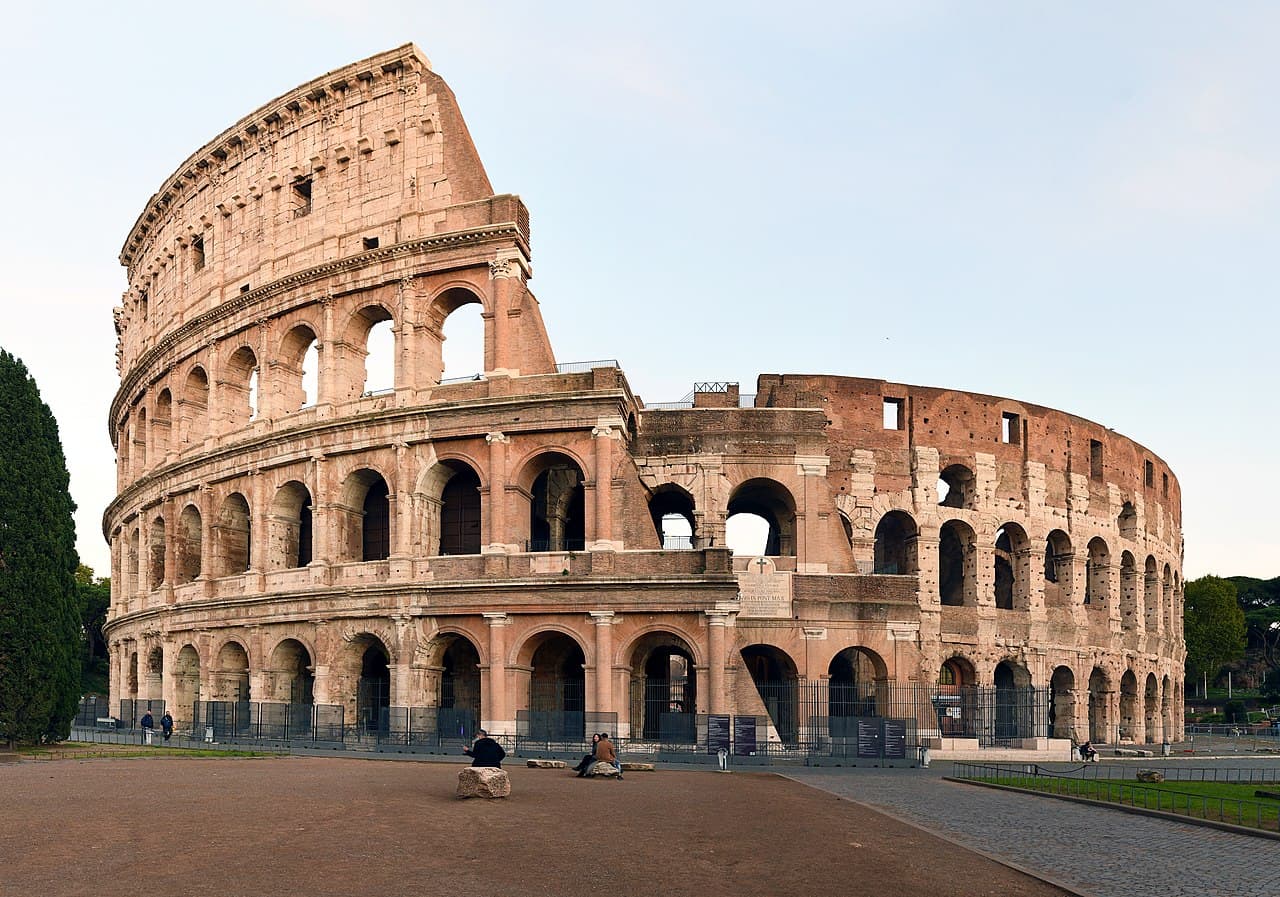
Colosseum
Commissioned in AD 72 by Emperor Vespasian, this elliptical amphitheater measures 189 by 156 meters. It utilized a complex system of 80 numbered entrances to seat up to 80,000 spectators for gladiatorial contests. The structure incorporates travertine limestone, tuff, and brick-faced concrete.
Best Time
November to March. The intense Roman summer heat radiating from the travertine stone is gone, and the entry queues drop significantly, allowing for unhurried exploration of the upper tiers.
Insider Tip
Book the 'Underground and Belvedere'...
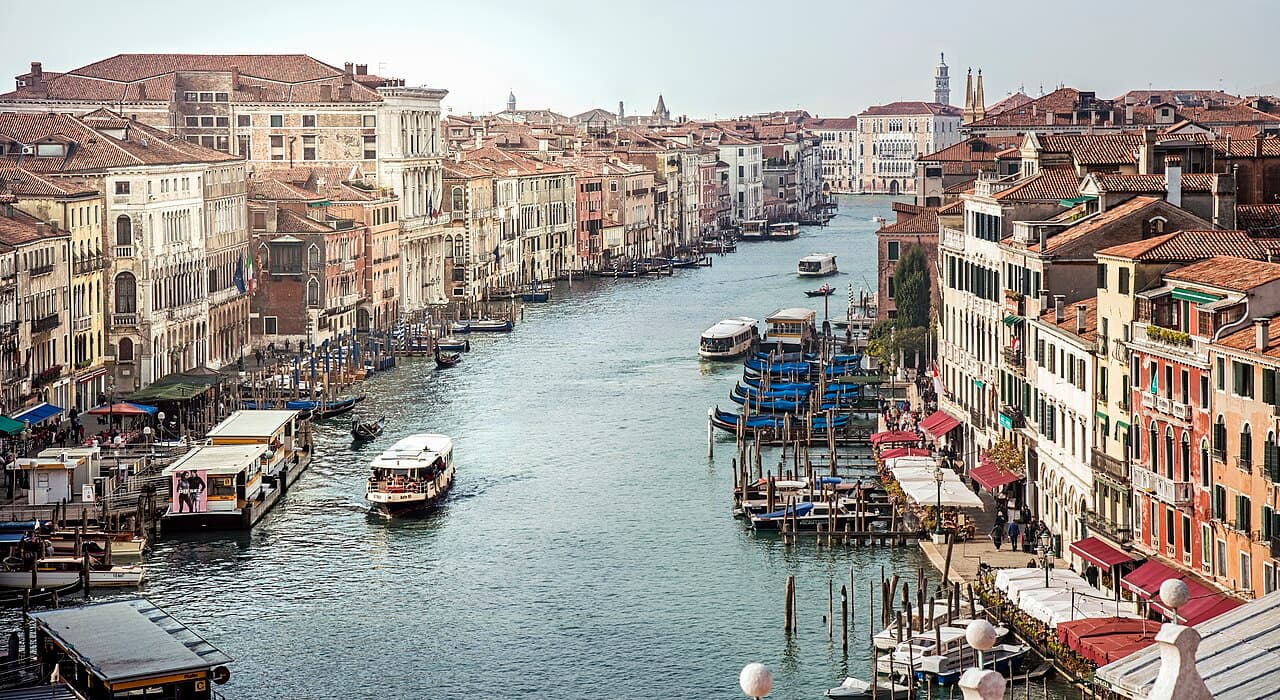
Grand Canal
Stretching 3.8 kilometers through the heart of Venice, this reverse-S shaped waterway ranges from 30 to 90 meters in width. Over 170 palazzi, dating from the 13th to the 18th century, line its banks, representing Byzantine, Gothic, Renaissance, and Baroque architectural styles. It is spanned by only four bridges, most notably the 16th-century Rialto.
Best Time
Late October. The heavy summer vaporetto traffic subsides, and the autumn mist rolling across the lagoon at dawn transforms the canal's atmosphere into something distinctly cinematic.
Insider Tip
Avoid the expensive private water...
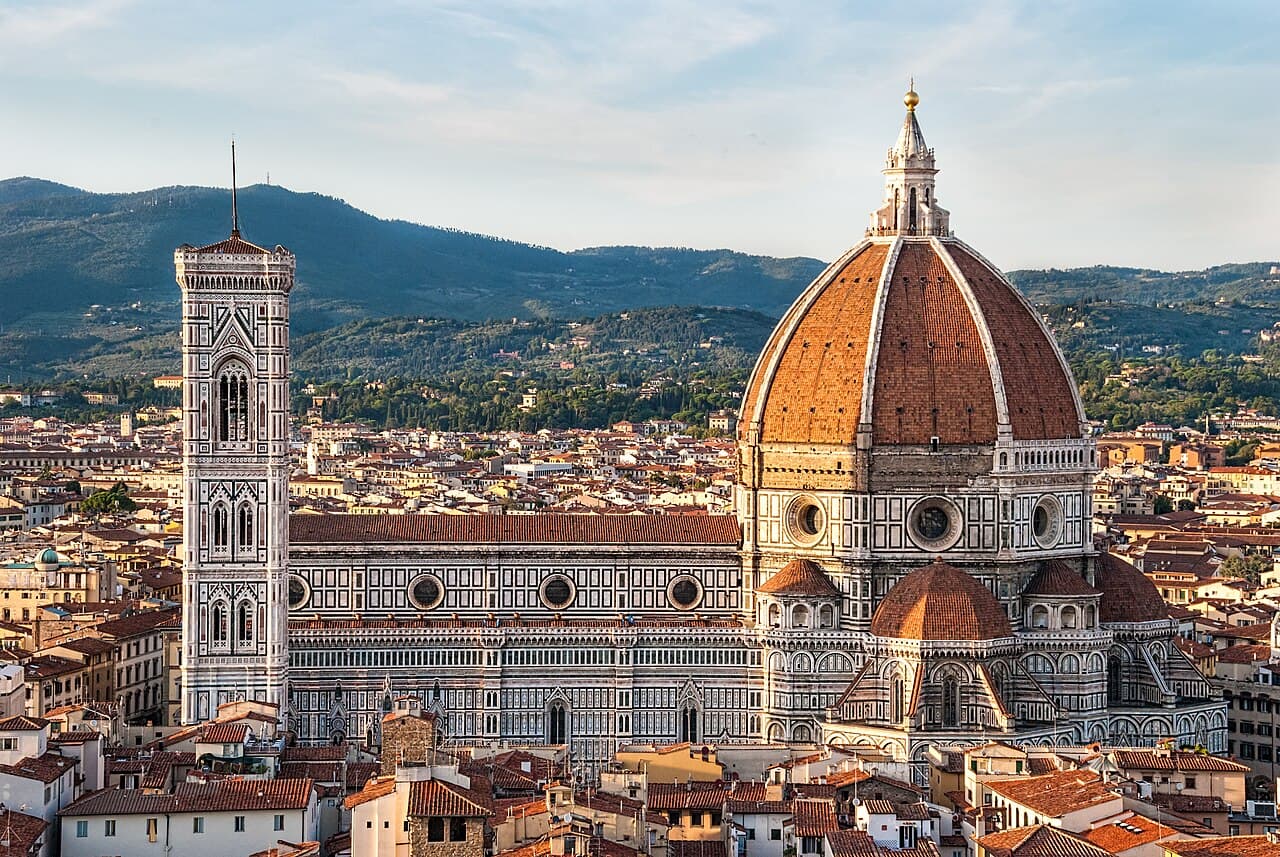
Duomo di Firenze
Officially the Cattedrale di Santa Maria del Fiore, its construction began in 1296 and finished in 1436. Filippo Brunelleschi’s dome, spanning 45 meters, remains the largest masonry dome ever built. The exterior is clad in polychrome marble panels in various shades of green, white, and pink from Prato, Carrara, and Maremma.
Best Time
January and February. The claustrophobic, narrow staircases leading up the dome are pleasantly cool and mostly empty, allowing you to examine the masonry details at your own pace.
Insider Tip
Do not waste time lining...
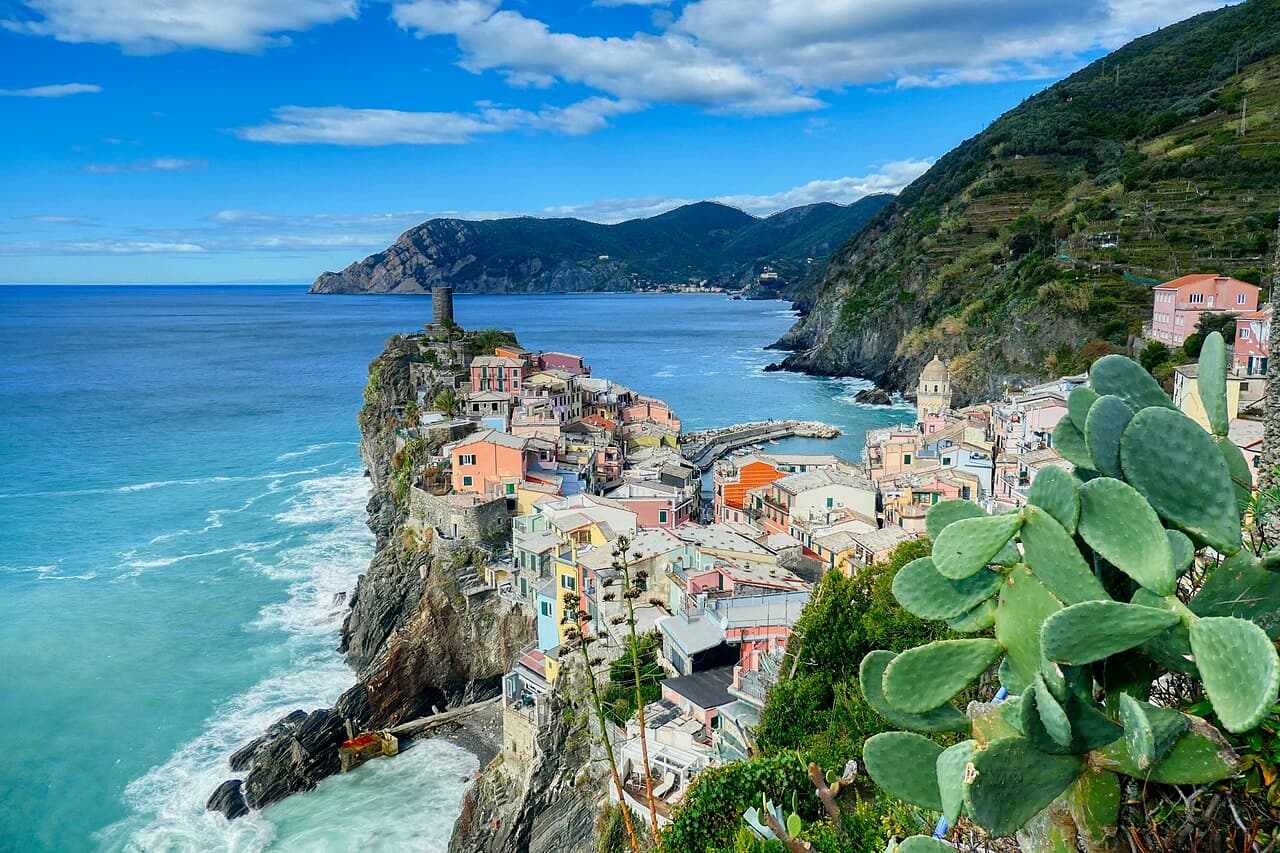
Cinque Terre
Five historic fishing villages—Monterosso, Vernazza, Corniglia, Manarola, and Riomaggiore—cling to steep terraces overlooking the Ligurian Sea. The region encompasses 120 kilometers of ancient hiking trails connecting the settlements, passing through terraced vineyards built with dry-stone walls. The entire area was designated a National Park in 1999.
Best Time
Late September through October. The Mediterranean retains its summer warmth for swimming, but the intense heat required to hike the steep coastal paths dissipates, making the terrain manageable.
Insider Tip
Skip the crowded Sentiero Azzurro...
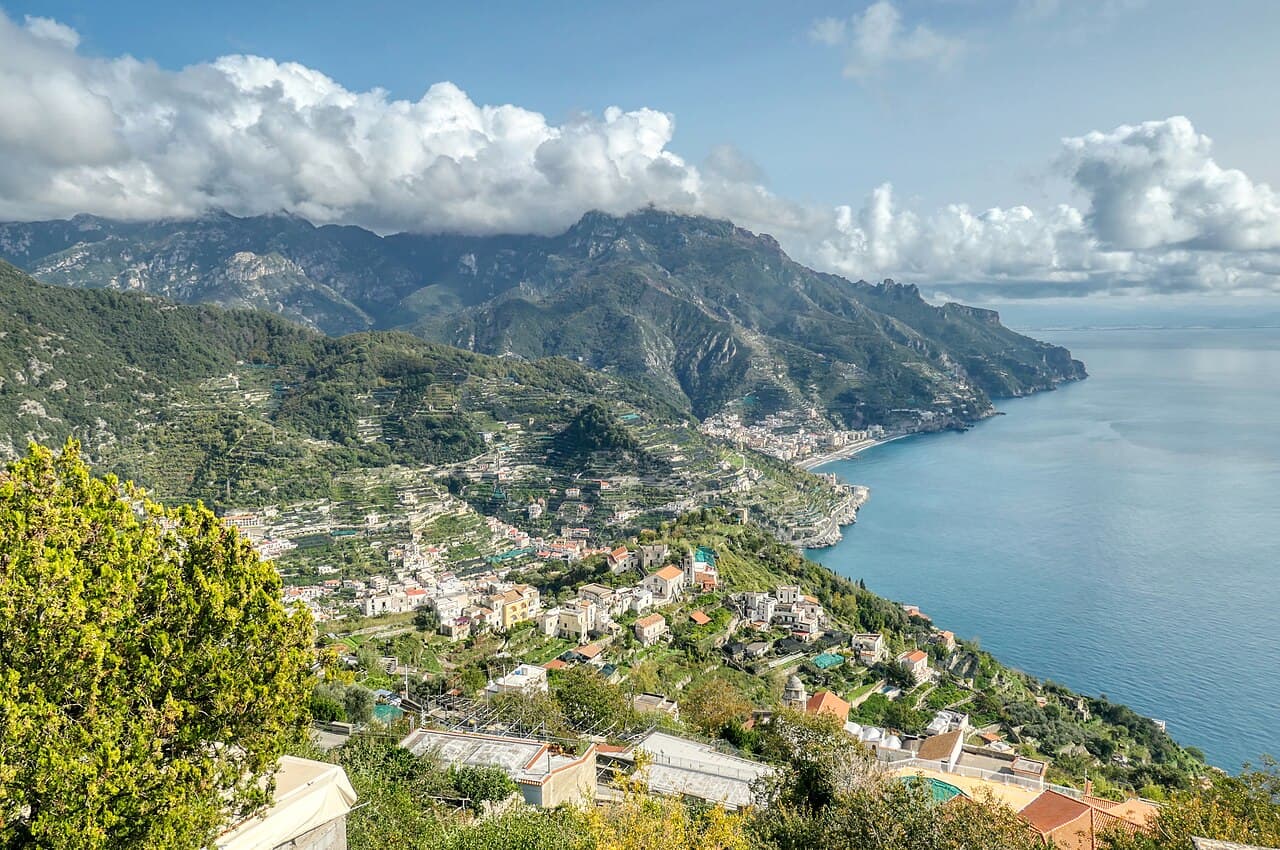
Amalfi Coast
This 50-kilometer stretch of coastline along the Sorrentine Peninsula features sheer cliffs dropping into the Tyrrhenian Sea. The S.S. 163, carved directly into the rock face in 1852, connects 13 municipalities. The region's defining agricultural element is the Sfusato Amalfitano, an elongated lemon grown on terraced gardens supported by stone walls.
Best Time
May. The intense summer traffic jams on the single coastal road haven't materialized, the lemon terraces are actively being harvested, and the water is clean and clear.
Insider Tip
Instead of dealing with the...

Vatican Museums & Sistine Chapel
This complex contains 54 galleries stretching over 7 kilometers and holding roughly 70,000 works of art, of which 20,000 are on display. The collection spans from Egyptian and Etruscan antiquities to modern religious art. The Sistine Chapel ceiling, completed by Michelangelo between 1508 and 1512, measures exactly 13.1 meters wide by 40.9 meters long.
Best Time
Late November or late January on a Wednesday morning. While the Pope holds his general audience in St. Peter's Square, the museum halls empty out, making it one of the few times you can stop to analyze the art.
Insider Tip
Do not follow the mass...
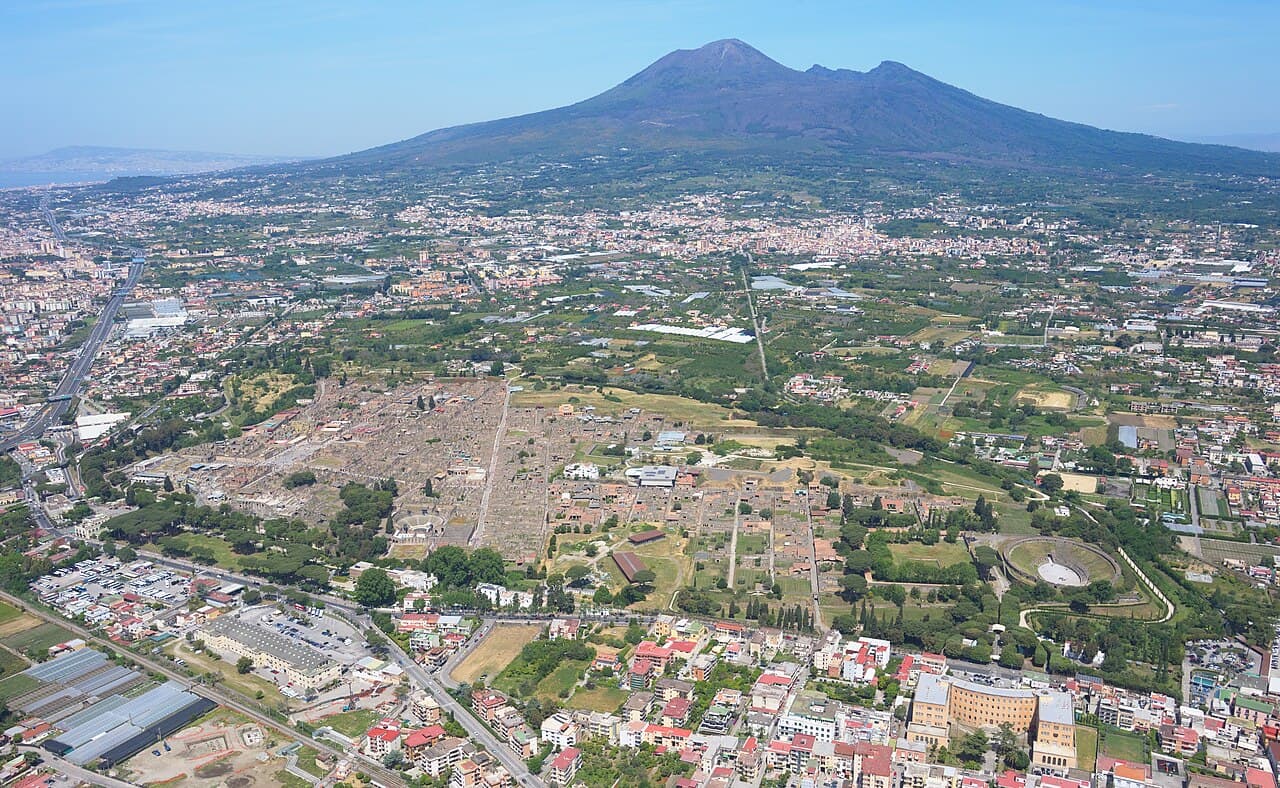
Pompeii
Buried under four to six meters of volcanic ash and pumice following the eruption of Mount Vesuvius in AD 79, this 163-acre archaeological site preserves an entirely intact Roman urban grid. The excavations reveal an advanced water system feeding 40 public fountains, complex thermal bath arrangements, and over 150 identified bars and thermopolia (fast-food counters).
Best Time
April. The wildflowers are blooming amid the ruins, the Vesuvius backdrop is usually free of haze, and the temperatures permit walking 5-8 kilometers through an open site with absolutely no shade.
Insider Tip
Enter through the less crowded...
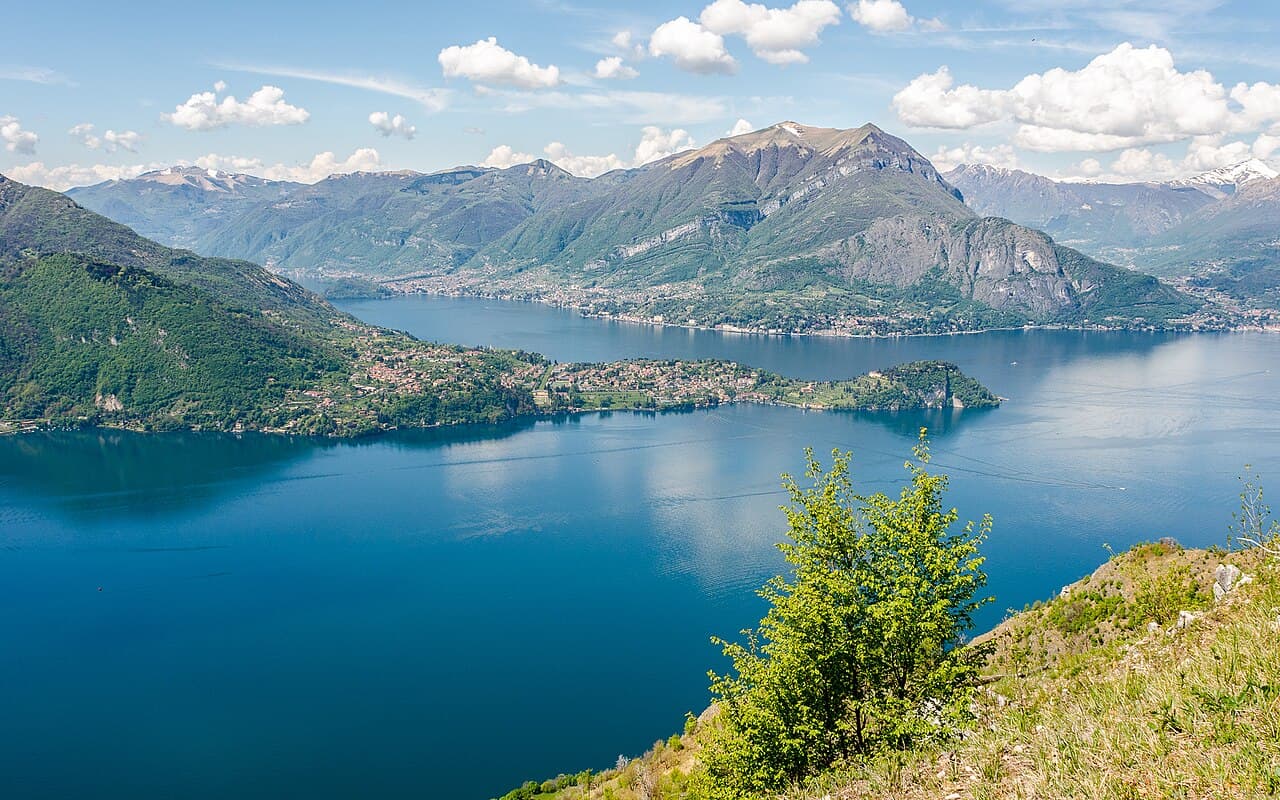
Lake Como
This glacially formed, Y-shaped lake reaches depths of 400 meters, making it one of the deepest in Europe. It has a shoreline of 160 kilometers, characterized by steep, densely forested pre-Alpine slopes descending directly into the water. Its microclimate allows for subtropical flora, including palms and agave, alongside traditional Alpine vegetation.
Best Time
September. The intense heat waves dissipate, the primary gardens are still lush, and the notoriously slow mid-lake ferry routes become significantly less congested with day-trippers.
Insider Tip
Forego the crowded towns of...
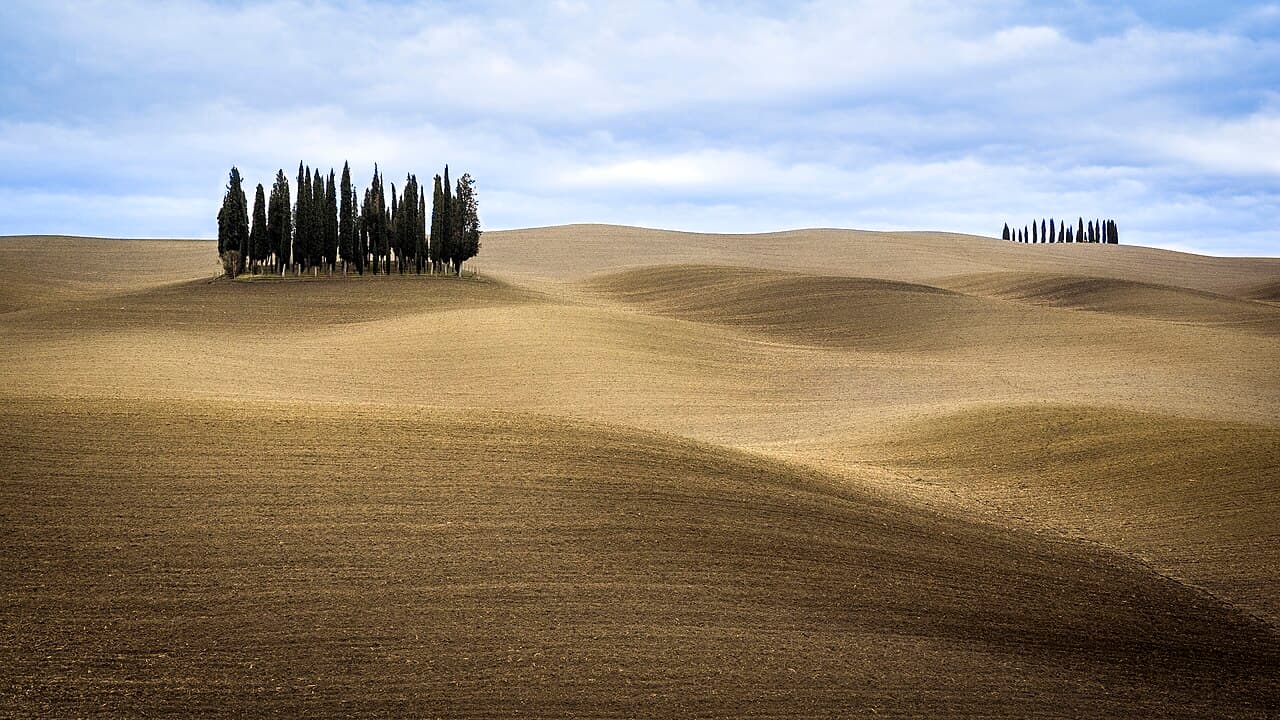
Tuscany Wine Country
The Chianti Classico zone encompasses 71,800 hectares between Florence and Siena, defined by galestro (marl) and alberese (limestone) soils. Vineyards are planted at altitudes ranging from 250 to 600 meters. The region is strictly regulated by the Consorzio Vino Chianti Classico, mandating a minimum of 80% Sangiovese grapes for wines bearing the Black Rooster seal.
Best Time
October. The vendemmia (grape harvest) is in full swing. You can smell the fermenting must in the air across the region, and the leaves on the vines transition to brilliant reds and yellows.
Insider Tip
Do not limit yourself to...
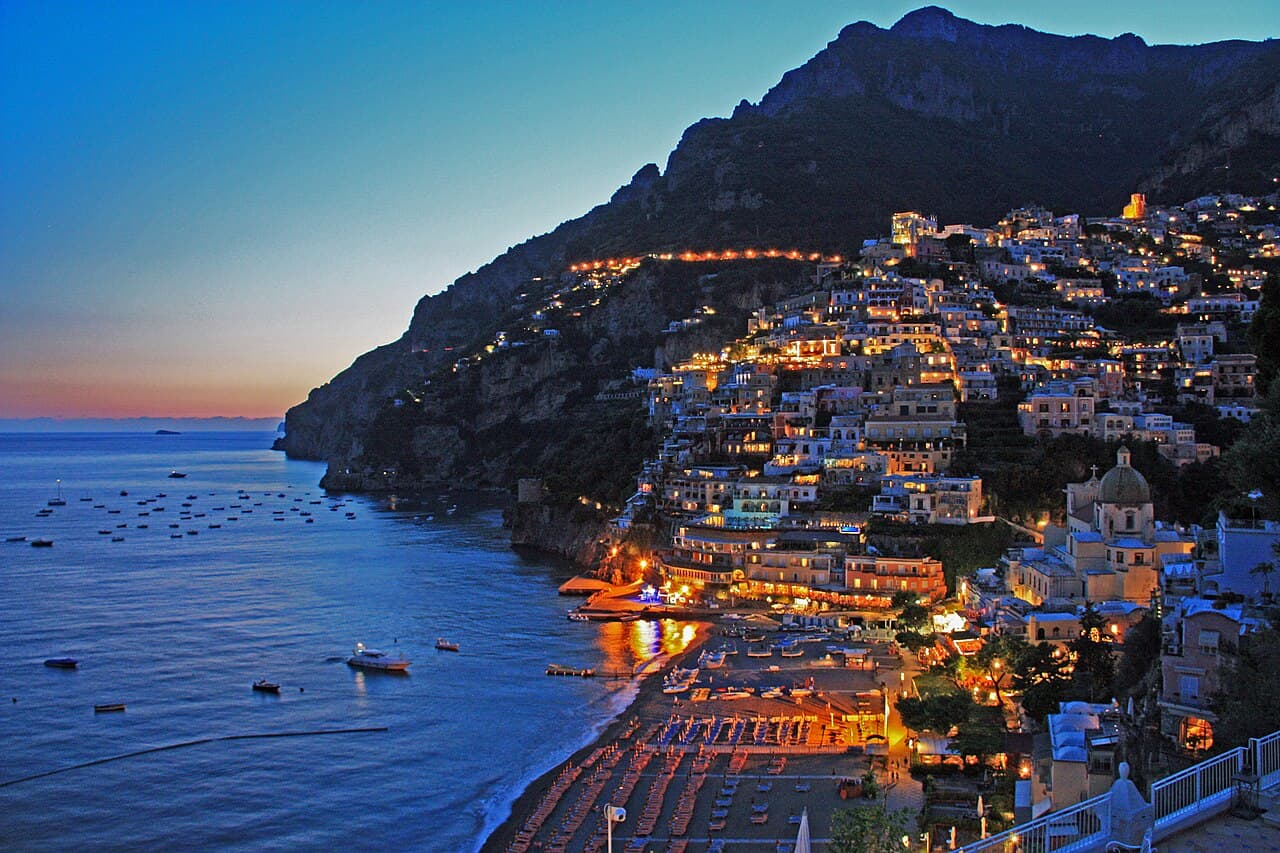
Positano
Built vertically into an enclave of the Lattari Mountains, this village cascades down to the sea via hundreds of steep pedestrian staircases (scalinatelle). The majolica-tiled dome of Santa Maria Assunta dominates the skyline. The town is physically constrained by deep ravines, limiting its permanent population to just under 4,000 residents.
Best Time
Late April. The hotels and restaurants have just reopened for the season, the wisteria vines draping over the pergolas are in full, fragrant bloom, and you can walk the stairs without heat exhaustion.
Insider Tip
Instead of fighting for space...
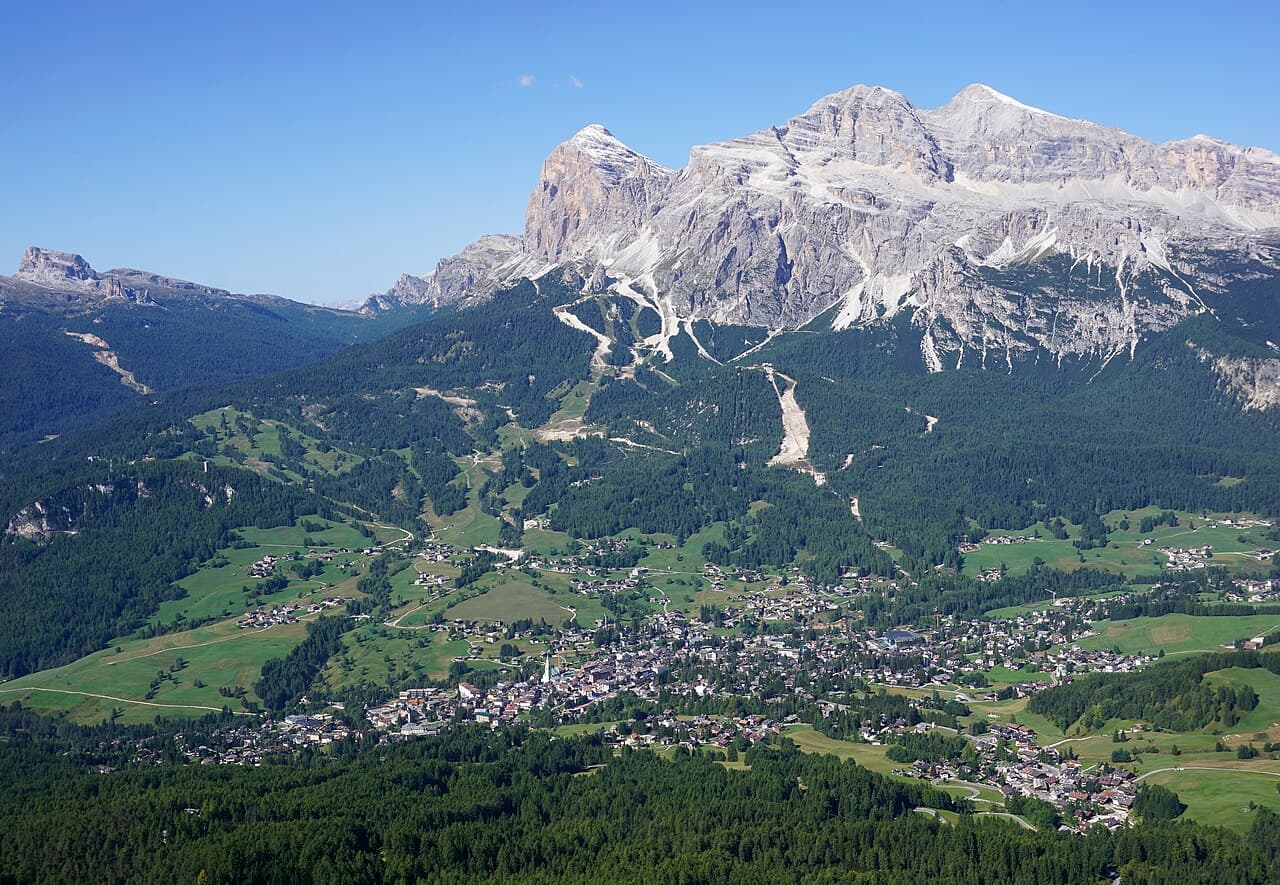
Dolomites
This mountain range features 18 peaks rising above 3,000 meters, composed entirely of fossilized coral reefs (dolostone) thrust upward by tectonic collision. The geological composition is responsible for the 'enrosadira,' a phenomenon where the pale rock turns bright pink and purple at dawn and sunset. The area features over 3,000 square kilometers of protected parks.
Best Time
Late June to early July. The high-altitude snowpack has largely melted off the trails above 2,500 meters, ensuring the via ferrata routes and remote rifugios (mountain huts) are fully accessible.
Insider Tip
Purchase the Tabacco-brand 1:25,000 scale...
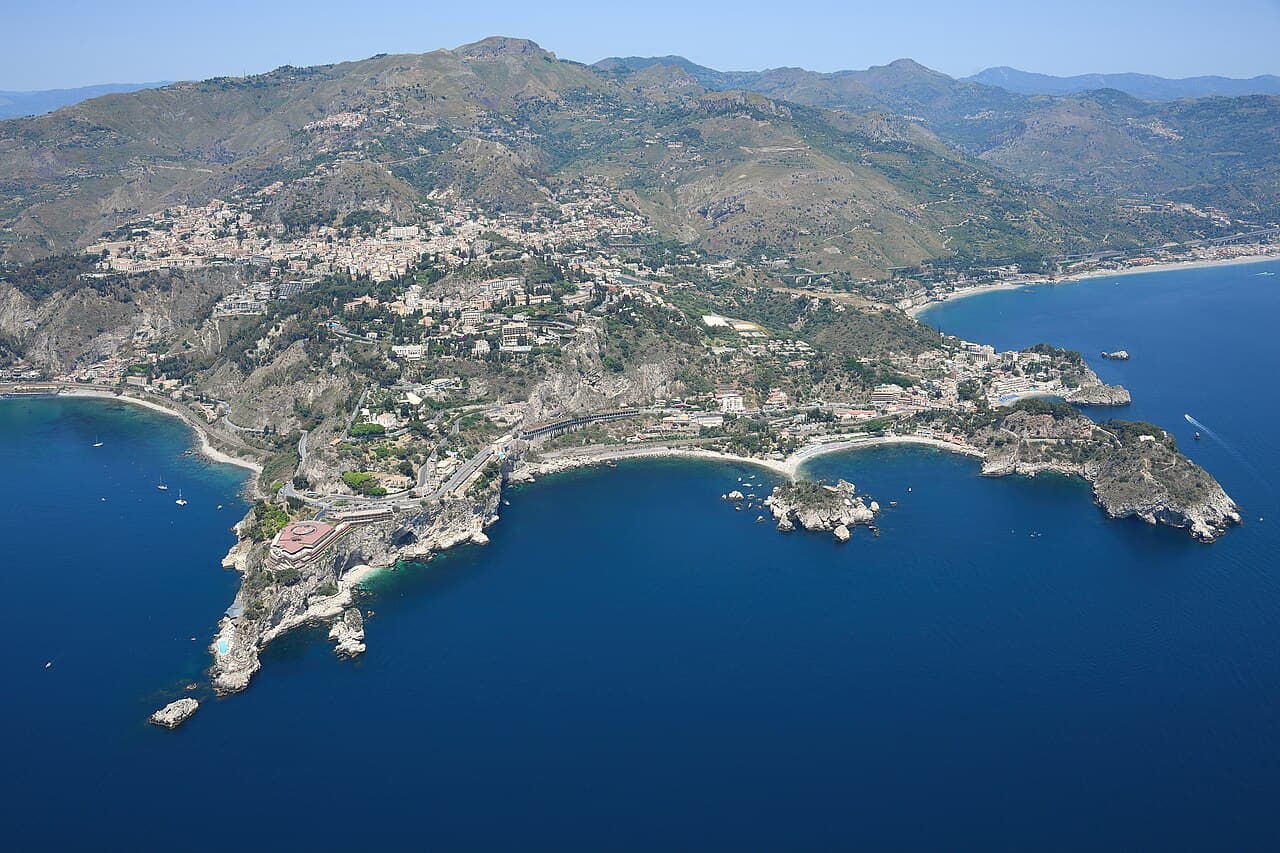
Sicilian Coast
The eastern coastline stretches roughly 120 kilometers along the Ionian Sea, dominated territorially and geologically by the active stratovolcano Mount Etna. The coastal geology varies dramatically from the sharp, columnar basalt of the Cyclopean Isles at Aci Trezza to the fine white limestone of the Vendicari Nature Reserve in the south.
Best Time
May or October. Summer temperatures regularly exceed 35°C (95°F), making exploration of the exposed archaeological sites punishing. Autumn offers warm seas and manageable hiking conditions on Etna.
Insider Tip
Skip the heavily commercialized boat...
Borghese Gallery
Housed in the 17th-century Villa Borghese Pinciana, this collection was aggressively amassed by Cardinal Scipione Borghese. The gallery imposes a strict two-hour time limit and caps occupancy at 360 people per rotation. It holds the world's most concentrated collection of Gian Lorenzo Bernini's early secular sculptures and six major canvases by Caravaggio.
Best Time
February. While the gallery numbers are strictly controlled year-round, winter months offer the highest probability of securing tickets just a few days in advance rather than managing a reservation months ahead.
Insider Tip
Book a slot starting at...
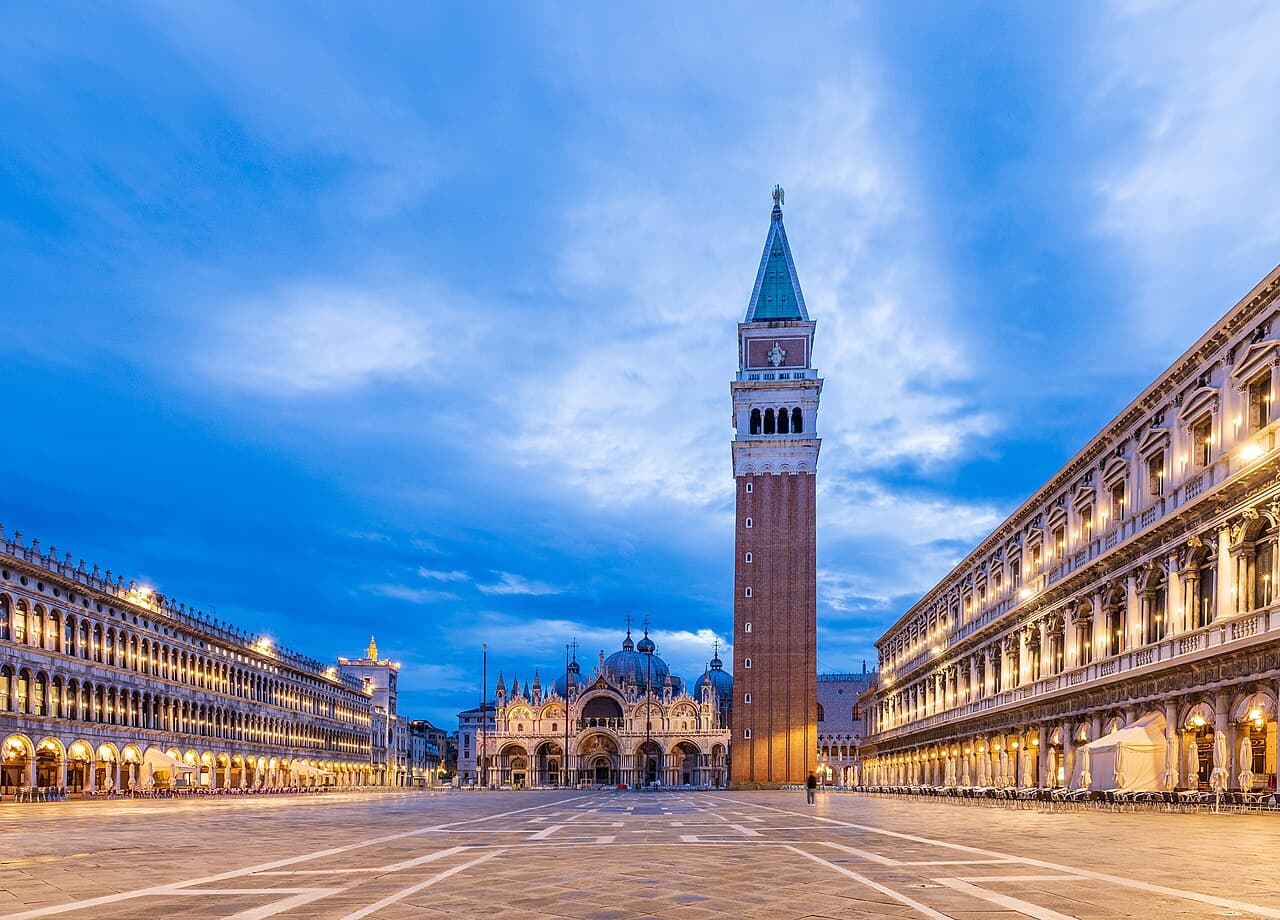
Piazza San Marco
Measuring 175 meters long and 82 meters wide, this is Venice's primary public square and its lowest topographic point, rendering it highly susceptible to acqua alta (flooding). The trapezoidal space is enclosed by the connected Procuratie arcades and anchored by the 98.6-meter Campanile and the Italo-Byzantine facade of St. Mark's Basilica.
Best Time
November. The threat of high water adds tension to the environment, and the removal of the massive summer cafe seating areas restores the vast, open, sweeping scale of the pavement originally intended by its designers.
Insider Tip
Set an alarm for 6:00...
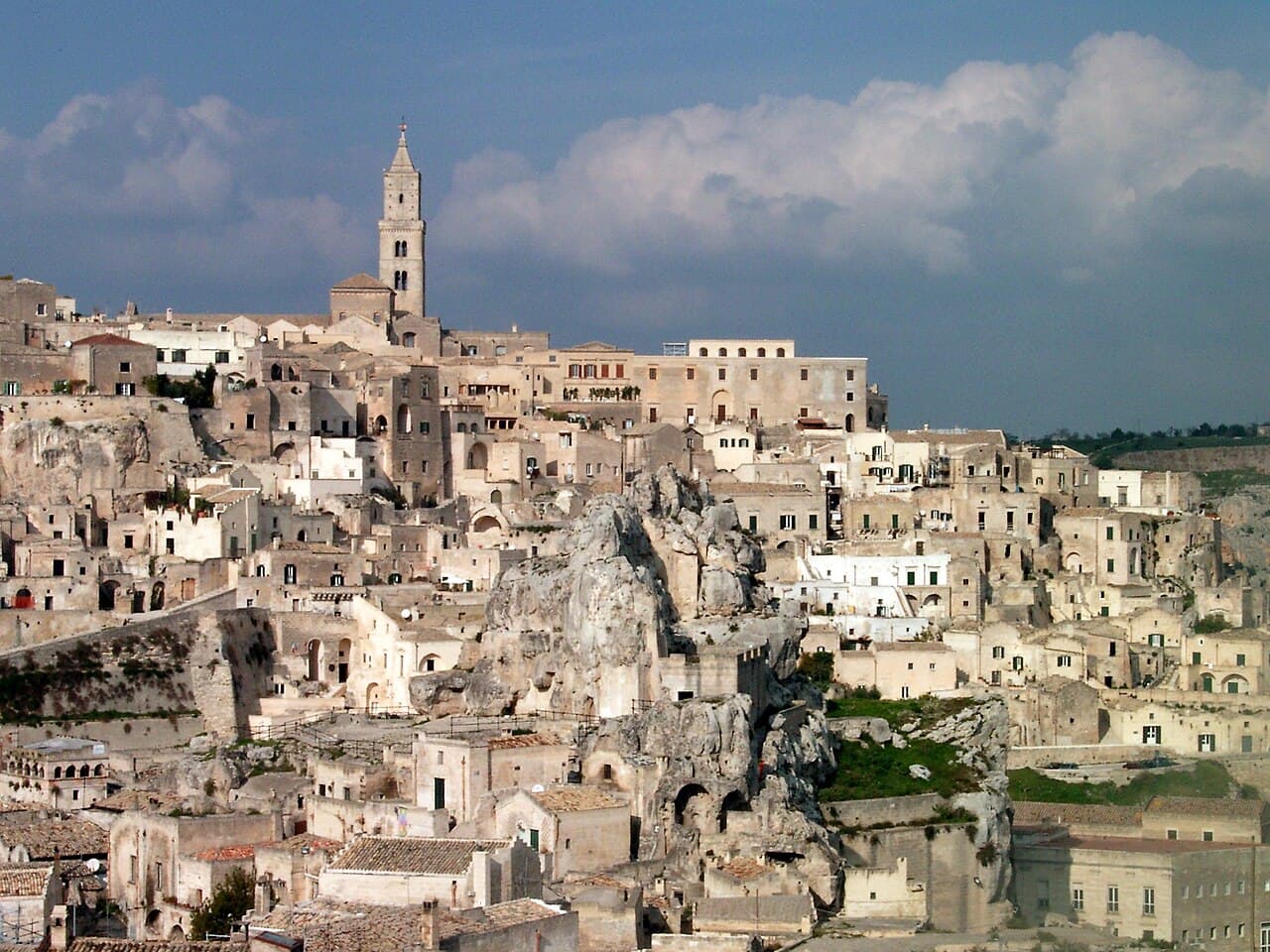
Matera Cave City
The Sassi di Matera consist of two districts (Sasso Caveoso and Sasso Barisano) containing over 1,500 troglodyte dwellings carved directly into the calcarenite rock of the Gravina gorge. Continuously inhabited for up to 9,000 years, the complex features a highly sophisticated rainwater catchment system utilizing cisterns and terraced canals.
Best Time
Late October. The blinding, reflective heat of the white limestone is tolerable, and the harsh shadows cast by the low autumn sun emphasize the erratic, stacked topography of the ravine dwellings.
Insider Tip
Cross the suspension bridge over...
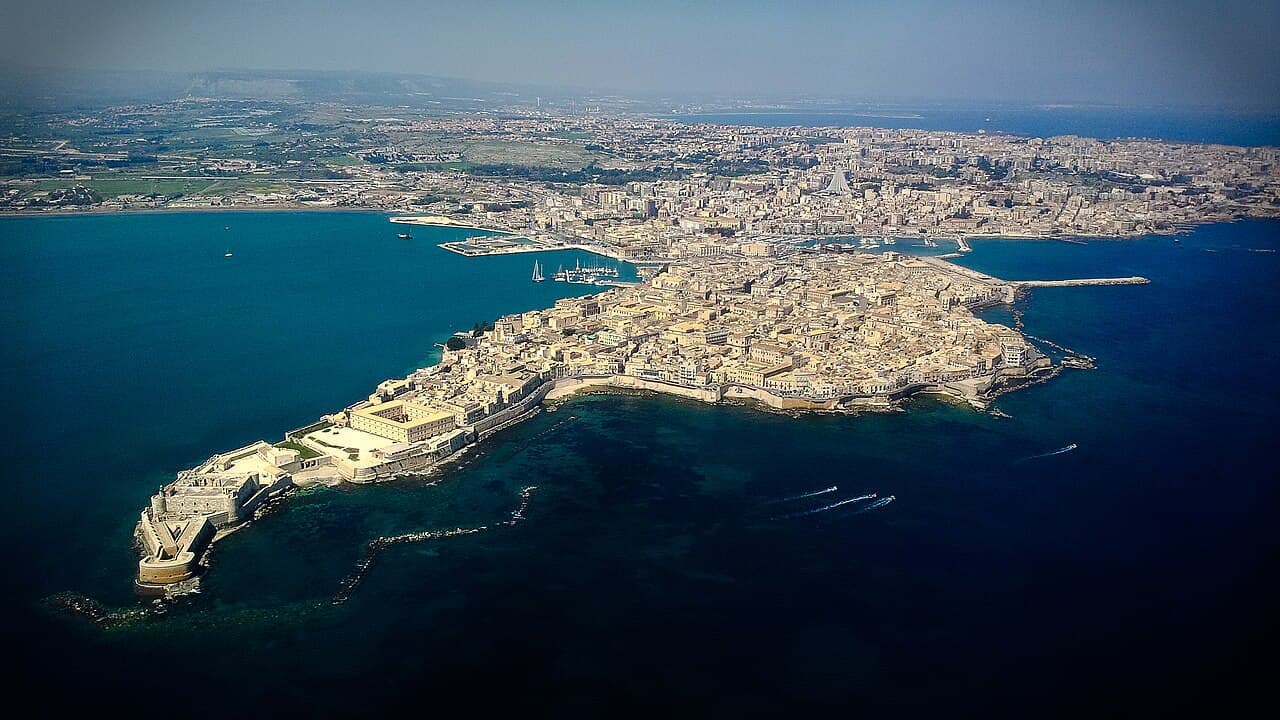
Ortigia Island
Measuring just 1 kilometer long and 500 meters wide, this small island represents the historical heart of ancient Syracuse, founded by Corinthians in 734 BC. It is connected to the mainland by two short bridges. The urban fabric consists of a dense labyrinth of medieval alleys overlaying the original Greek street grid.
Best Time
April. The oppressive Sirocco winds from Africa are rare, the outdoor markets surrounding the Temple of Apollo are vibrant with spring produce, and the narrow limestone alleys remain cool.
Insider Tip
At the daily Mercato di...
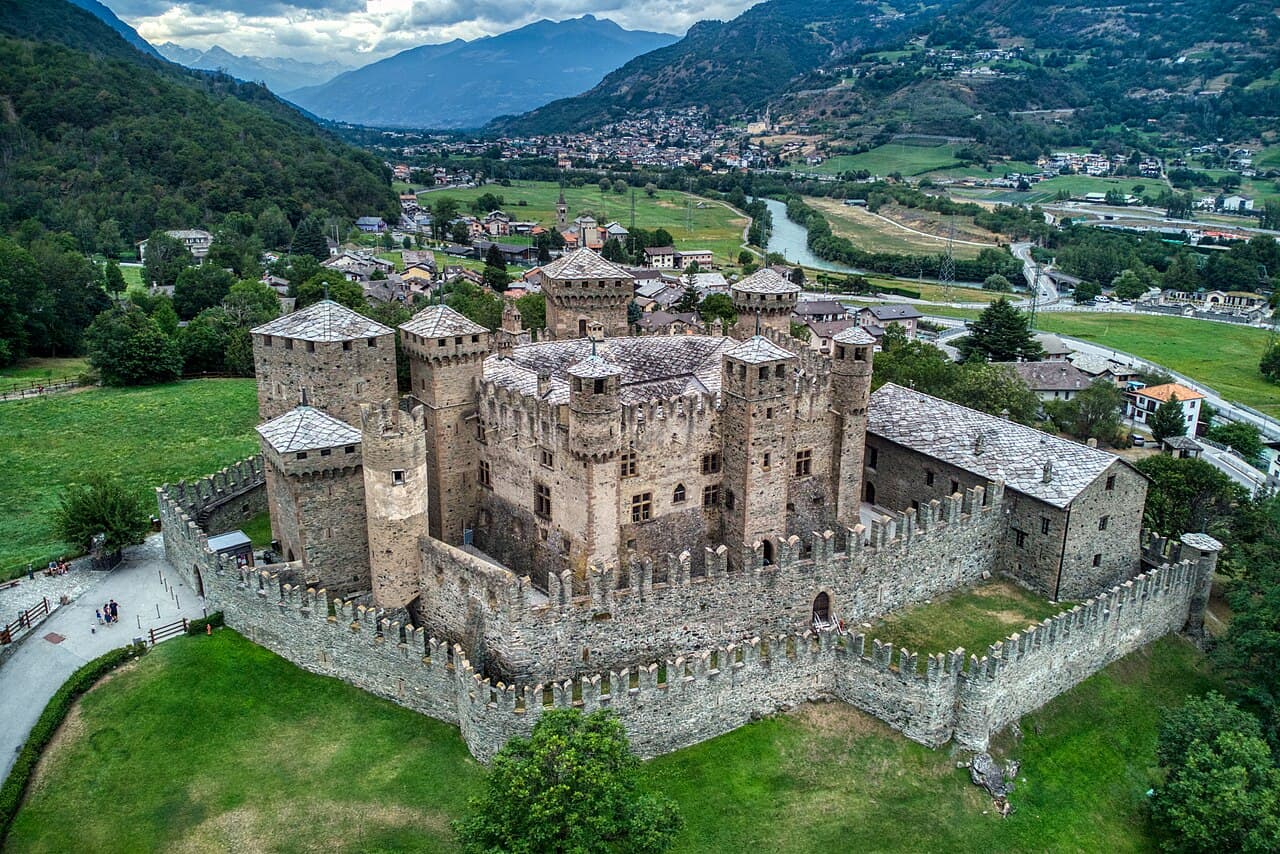
Valle d'Aosta
Bordering France and Switzerland, this bilingual region contains Europe’s highest peaks: Mont Blanc, the Matterhorn, Monte Rosa, and Gran Paradiso. The steep, narrow central valley floor sits at 580 meters, flanked by ridgelines soaring above 4,000 meters. The area boasts over 130 medieval castles designed to control and tax strategic trans-Alpine trade routes.
Best Time
September. The high-altitude hiking paths and via ferratas remain free of new snowpack, the sky clarity is superior to the hazy summer months, and you can harvest fresh fontina cheese arriving from the high pastures.
Insider Tip
Take the Skyway Monte Bianco...
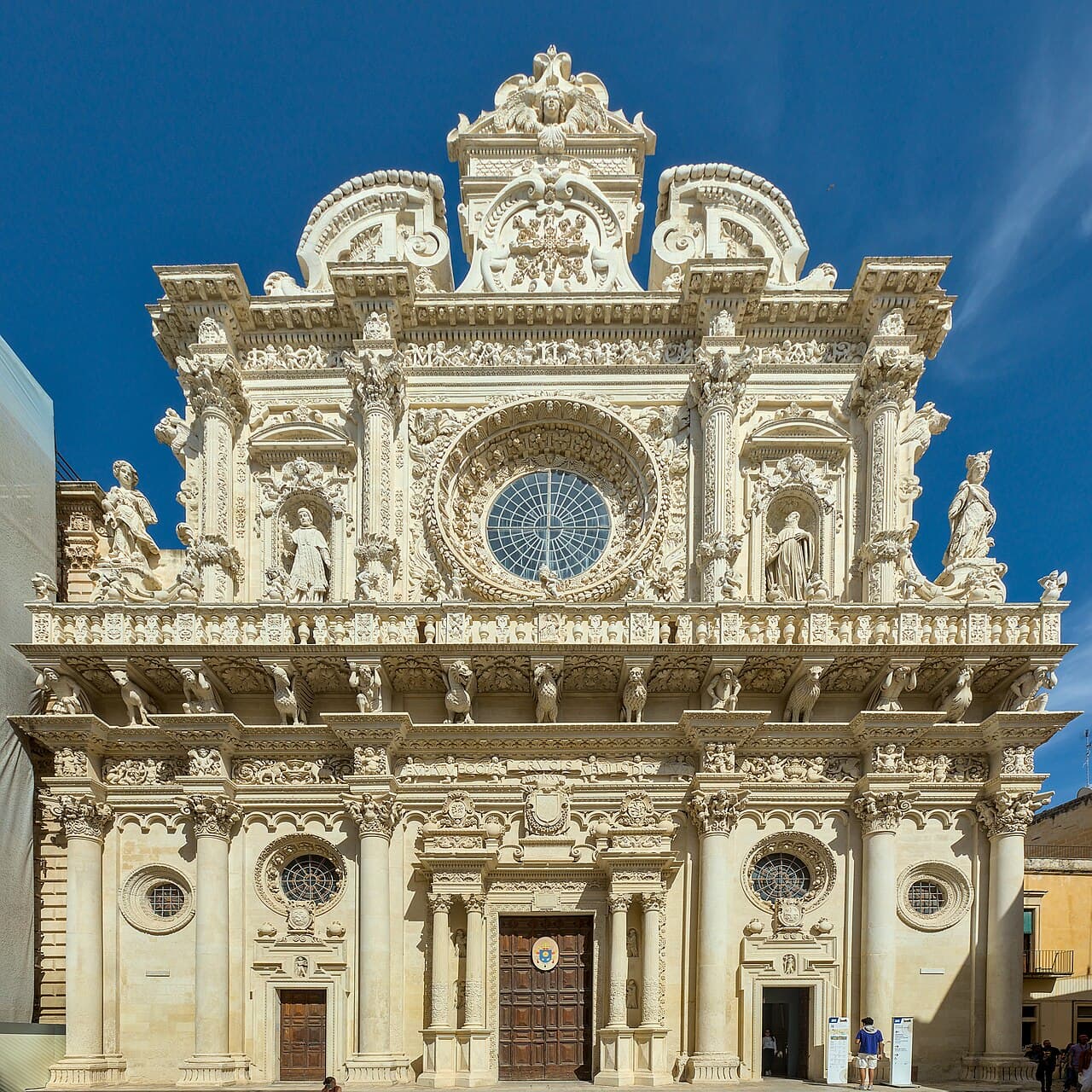
Lecce Baroque Old Town
Situated in the Salento peninsula, the historical center is entirely constructed from *pietra leccese*, a localized, highly workable soft limestone. The prevalent architectural style, Barocco Leccese, flourished in the 17th century, characterized by wildly extravagant, almost grotesque floral and mythological masonry carvings adorning churches and palazzi.
Best Time
May or September. The intense summer heat, which turns the city's ubiquitous white stone into a blinding, oppressive oven, is entirely avoidable, making prolonged observation of the facades comfortable.
Insider Tip
Locate the subterranean Museo Faggiano...
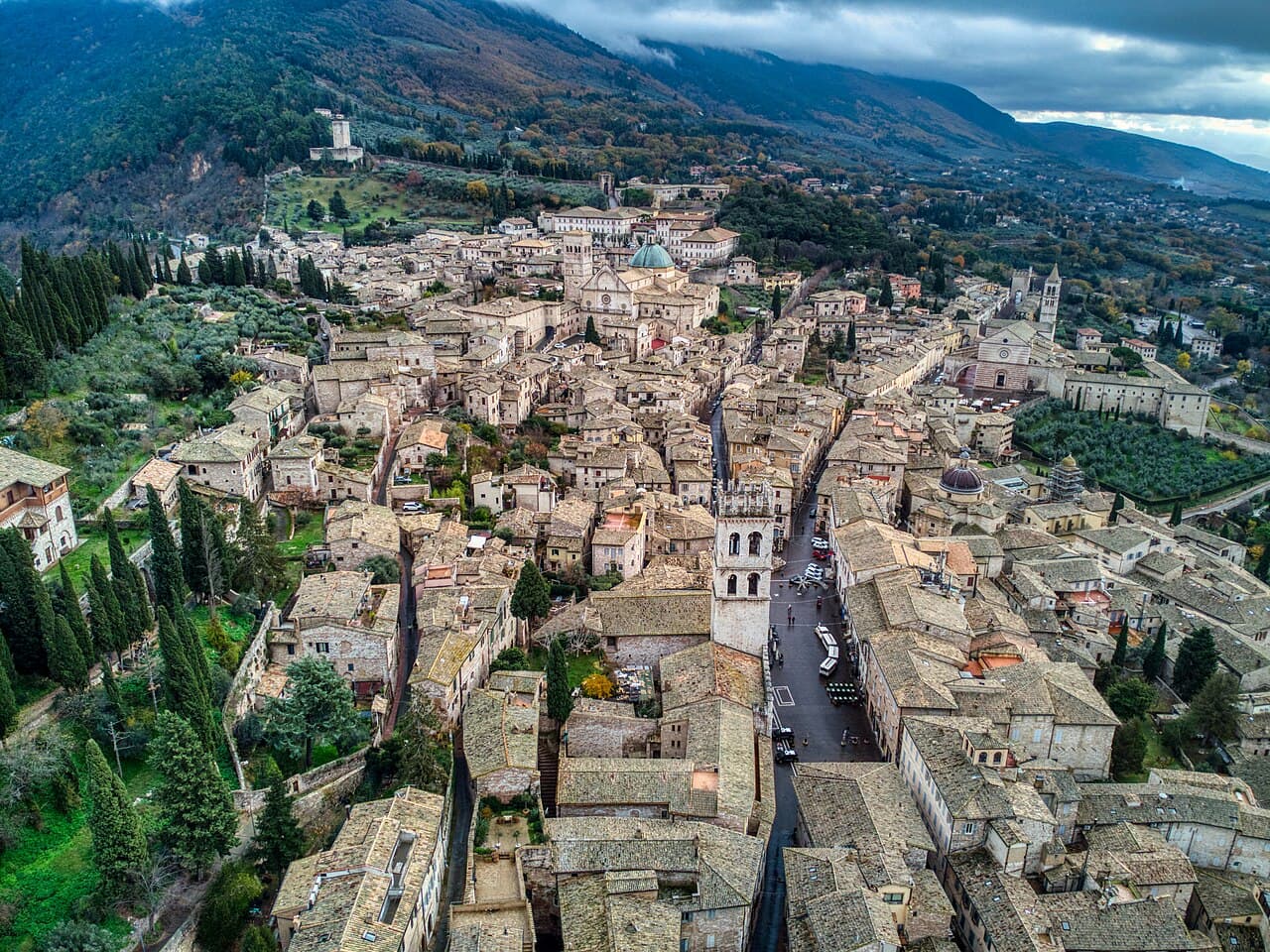
Assisi & Umbrian Countryside
Built on the western flank of Mount Subasio, this medieval hill town is defined by the massive, two-tiered Basilica of San Francesco, constructed immediately following the saint's canonization in 1228. The structure houses seminal fresco cycles by Giotto, Cimabue, and Pietro Lorenzetti, representing a foundational shift toward emotional realism in Western art.
Best Time
Early November. The massive pilgrimage crowds have receded, the morning fog severely isolates the hill towns visually, and the local olive oil harvest—a staple of Umbrian agriculture—is active.
Insider Tip
Do not view the frescoes...
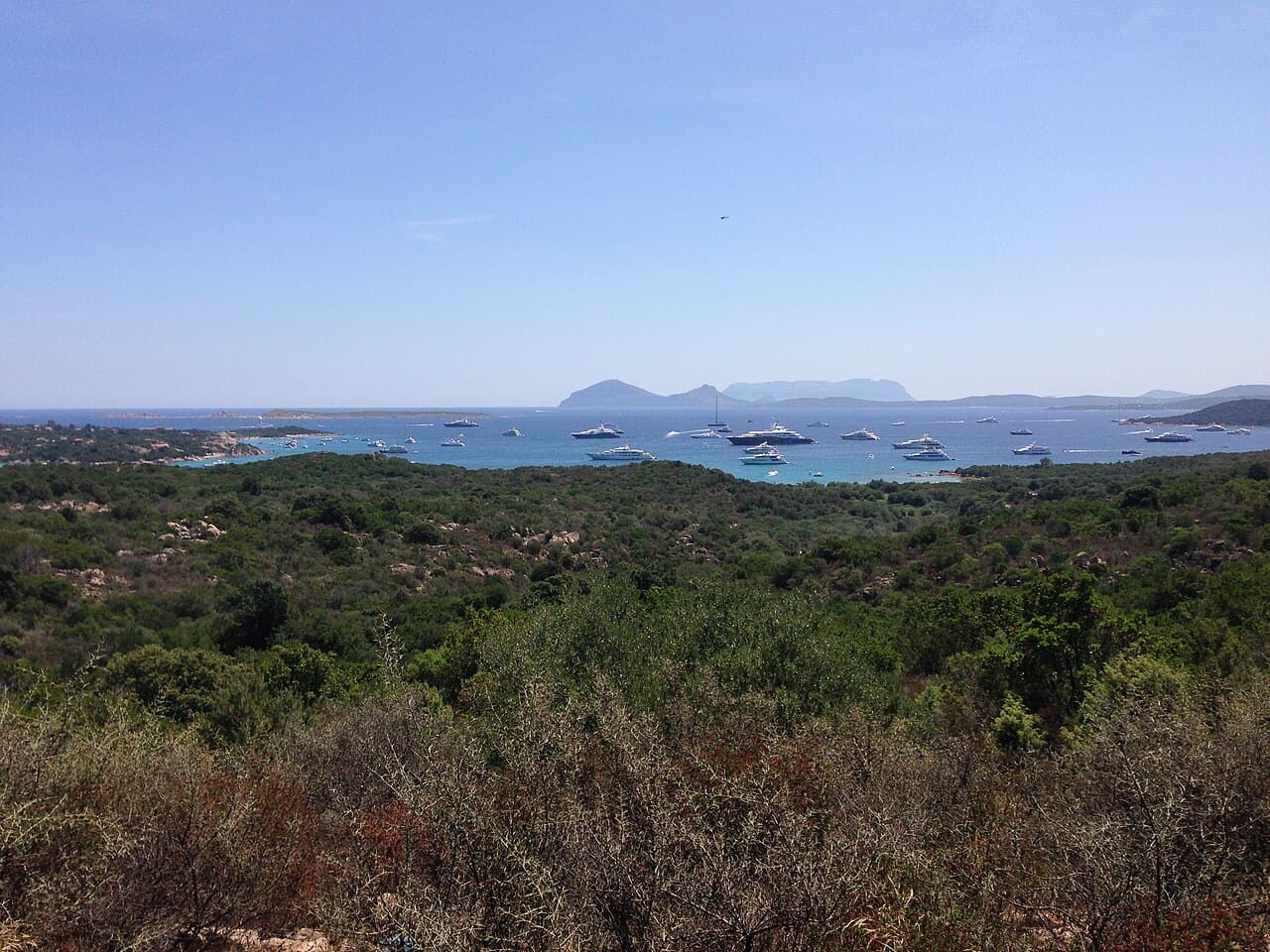
Costa Smeralda
A 20-kilometer stretch of coastline in northeastern Sardinia developed entirely from uninhabited granite outcrops in the 1960s by the Aga Khan. It features deep, jagged inlets hiding white sand beaches, characterized by turquoise waters and wind-sculpted granitic boulders. Severe zoning laws prohibit buildings from exceeding tree height.
Best Time
Late September. The billionaire yachts begin to pull out, the outrageous inflated summer prices at local establishments drop slightly, and the seawater remains incredibly warm for swimming.
Insider Tip
Avoid the famous, overcrowded Spiaggia...
Travel Tips for Italy
- 1.
Carry cash for small cafes
- 2.
Validate your train tickets
- 3.
Dinner is usually late