
Discover
Panama
The crossroads of the Americas, offering the engineering marvel of the canal, vibrant jungles, and two oceans.
Top Destinations
Explore our curated selection of landmarks and cities you must visit.
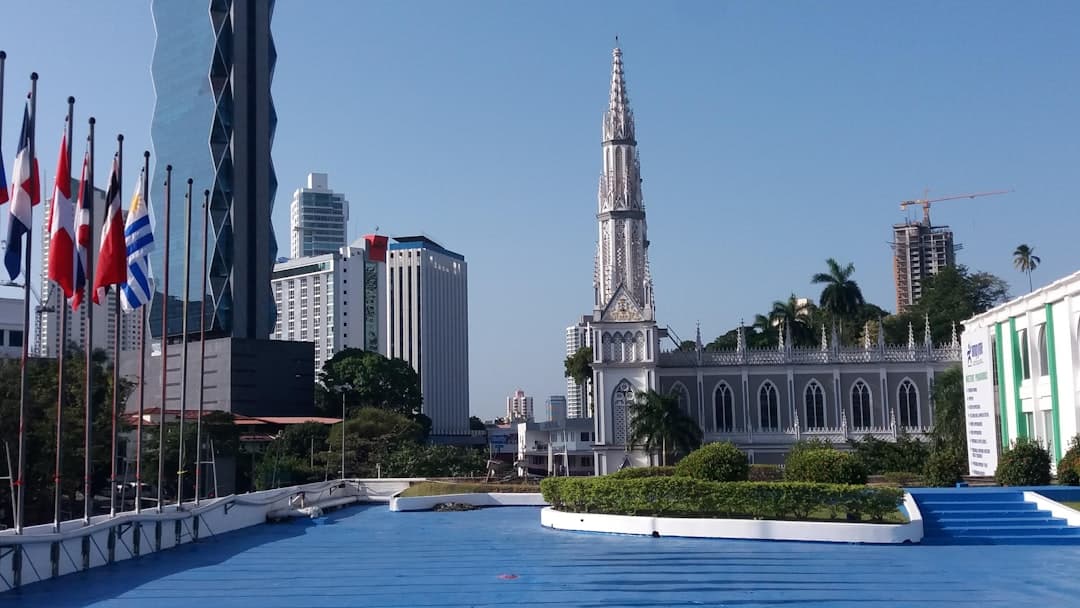
Panama Canal (Miraflores Locks)
The Panama Canal is one of the greatest engineering achievements of the 20th century, connecting the Atlantic and Pacific Oceans. At the Miraflores Visitor Center, you can watch massive cargo ships and cruise liners being raised and lowered 16.5 meters through the lock chambers. The center features a four-story museum detailing the canal's tragic and triumphant construction history, its ecological impact, and its recent expansion. The viewing decks put you just meters away from the colossal ships transiting the locks.
Best Time
Morning (9 AM - 11 AM) or late afternoon (3 PM - 5 PM) when ship traffic is highest
Insider Tip
Check the canal transit schedule...
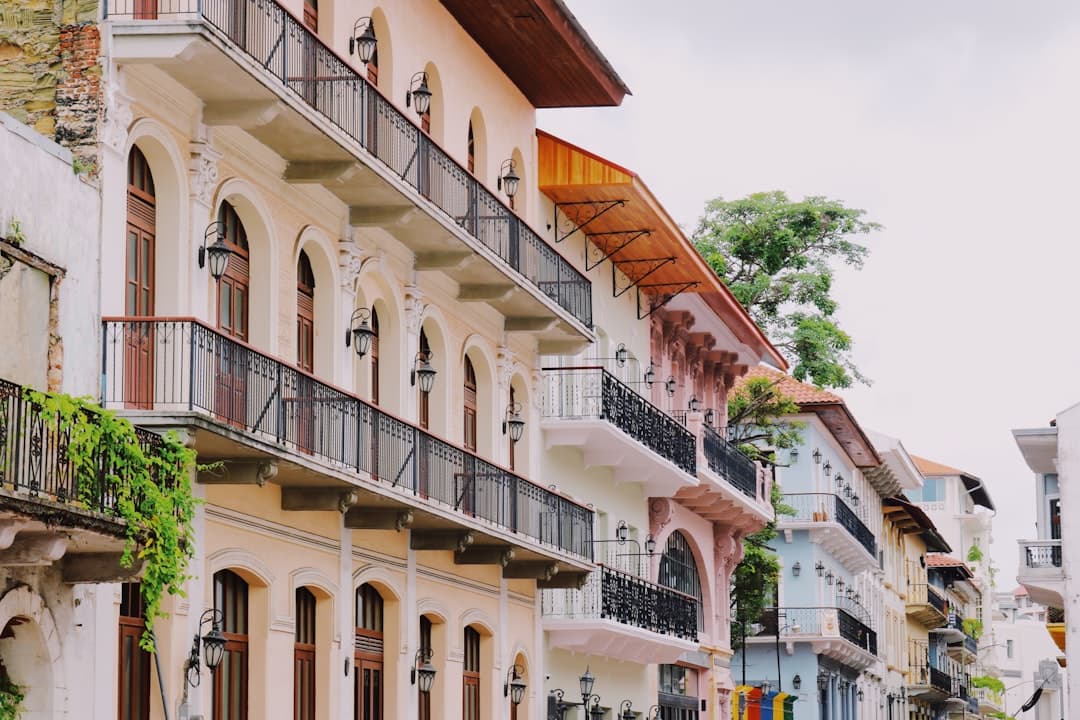
Casco Viejo
Casco Viejo (the Old Quarter) is a UNESCO World Heritage site and the historic heart of Panama City. Founded in 1673 after the original city was destroyed by the pirate Henry Morgan, the district is a stunning blend of Spanish colonial, French, and neoclassical architecture. Today, its brick-paved streets are lined with boutique hotels, rooftop bars, art galleries, and some of the city's best restaurants. Historic plazas like Plaza de la Independencia and Plaza Francia contrast beautifully with the modern skyline across the bay.
Best Time
Late afternoon for walking, evening for dining and nightlife
Insider Tip
Head to a rooftop bar...
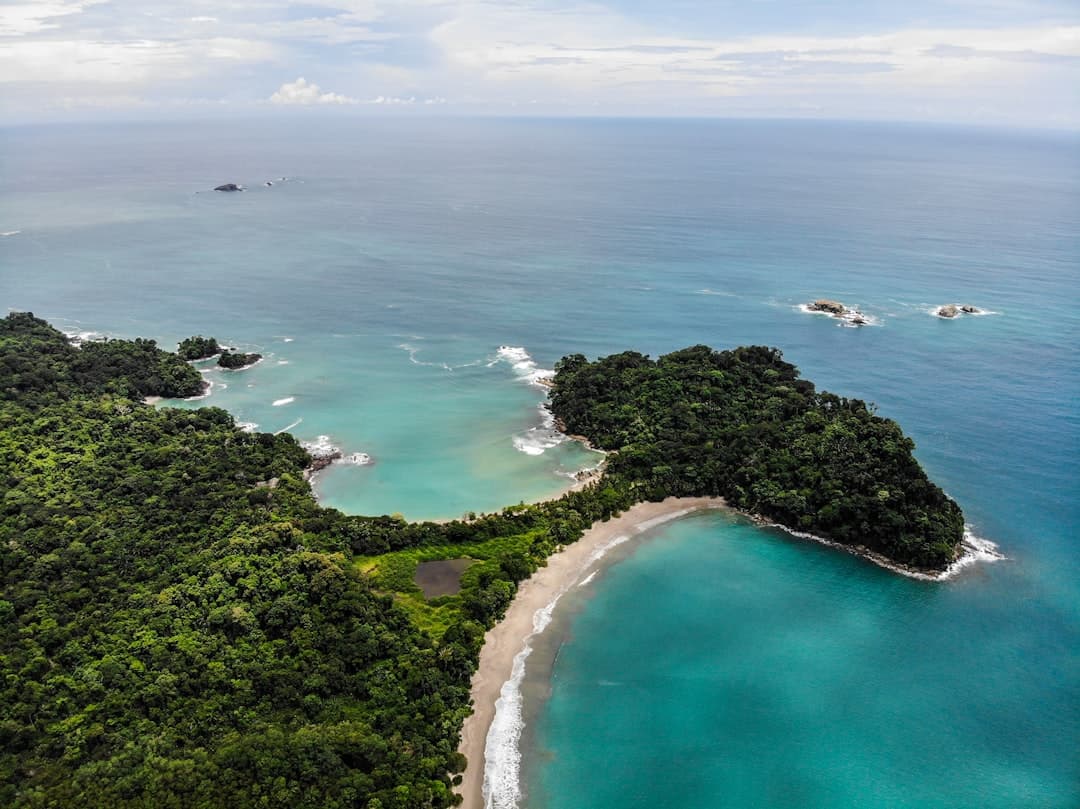
Bocas del Toro Archipelago
Bocas del Toro is a stunning archipelago of nine main islands and hundreds of cayes in the Caribbean Sea. Known for its laid-back Afro-Caribbean vibe, crystal-clear waters, and dense jungle interiors, it is Panama's premier beach destination. Isla Colón is the vibrant main hub, while islands like Isla Bastimentos offer pristine nature, including the famous Red Frog Beach. The area is a haven for surfing, snorkeling, scuba diving, and spotting sloths and dolphins.
Best Time
September to October, or February to March (driest months)
Insider Tip
Take a water taxi to...
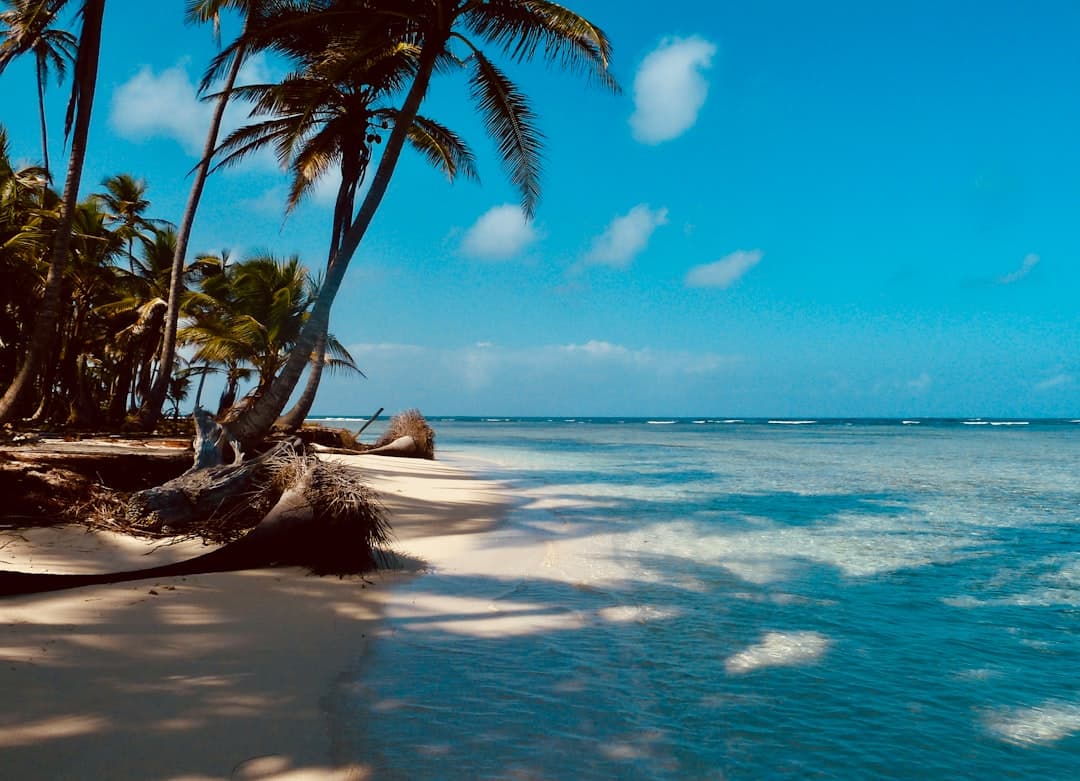
San Blas Islands (Guna Yala)
The San Blas archipelago consists of 365 islands—one for every day of the year—scattered off Panama's northern coast. The islands are an autonomous territory governed by the indigenous Guna people. There are no massive resorts or modern infrastructure here; instead, visitors sleep in basic thatched-roof cabañas, eat fresh-caught seafood, and interact with the Guna, who maintain their traditional language, laws, and vibrant dress, including the famous 'mola' textiles.
Best Time
December to April (dry season and windy)
Insider Tip
Expect rustic conditions (limited electricity,...
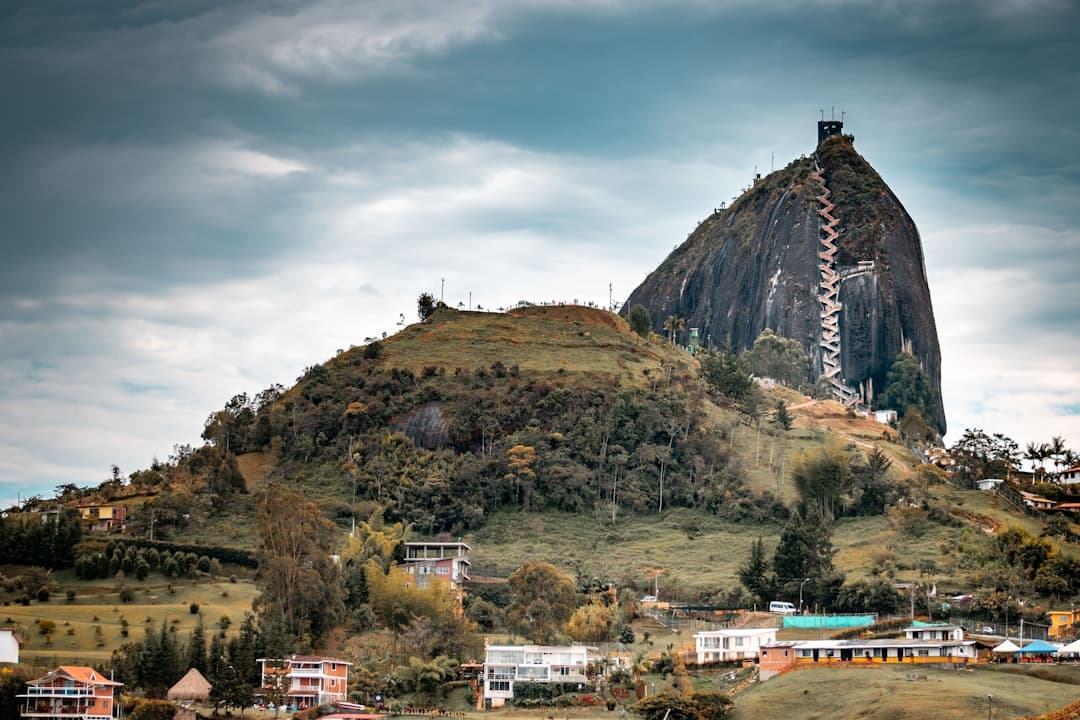
Boquete
Nestled in a cool, lush valley in the Chiriquí highlands near the Costa Rican border, Boquete is Panama's eco-tourism and coffee capital. The area is renowned for its eternal spring climate, producing some of the world's most expensive and highly prized coffee, including the famous Geisha variety. Surrounded by cloud forests, rivers, and the towering Volcán Barú, Boquete is a paradise for hiking, bird watching (especially for the elusive Resplendent Quetzal), white-water rafting, and zip-lining.
Best Time
December to April (dry season)
Insider Tip
Book a coffee tasting tour...
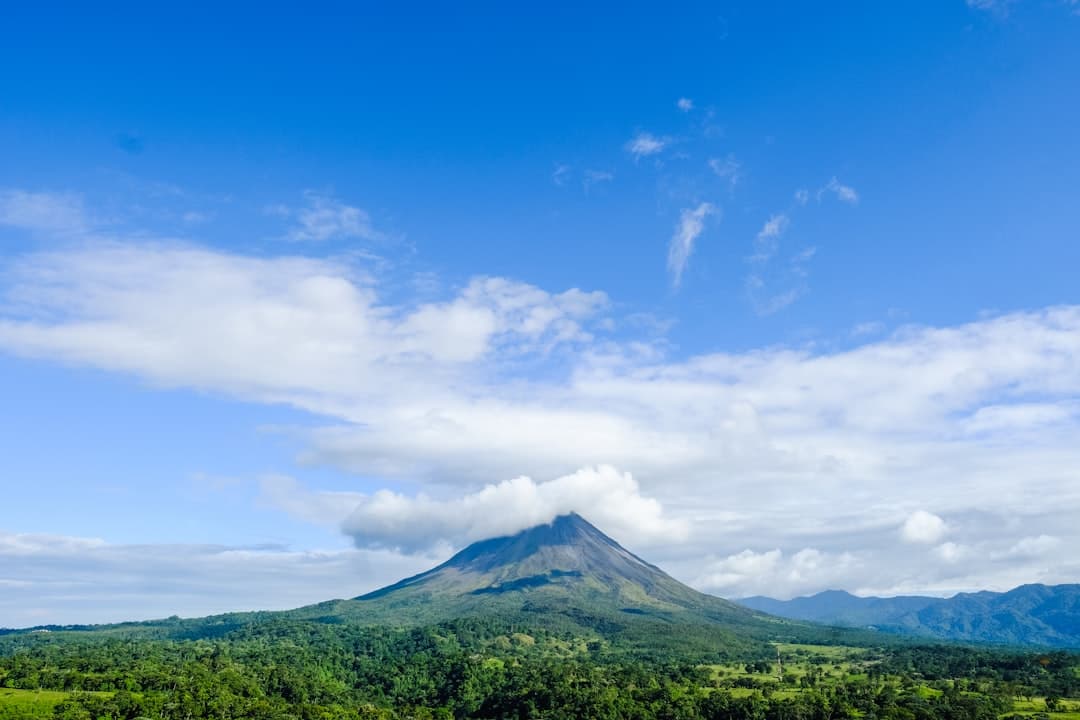
Volcán Barú
At 3,474 meters (11,398 feet), Volcán Barú is the highest peak in Panama. This dormant volcano offers one of the most challenging and rewarding hikes in Central America. The trail takes hikers through dense cloud forests to a rocky, frigid summit. On a clear day—usually just at sunrise—the summit is one of the only places in the world where you can see both the Pacific Ocean and the Caribbean Sea simultaneously.
Best Time
December to April (to minimize rain and cloud cover)
Insider Tip
Most people start the hike...
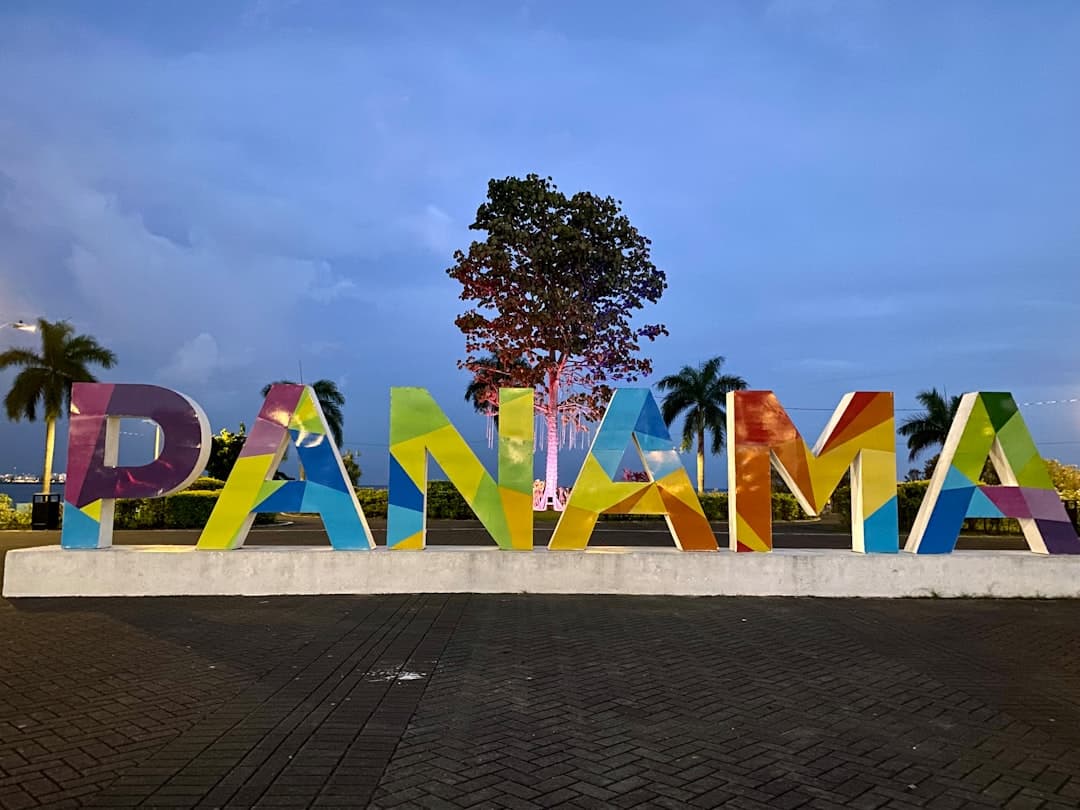
Amador Causeway
The Amador Causeway is a spectacular 6-kilometer breakwater connecting the mainland of Panama City to four small islands in the Pacific Ocean. Built using rock extracted during the construction of the Panama Canal, it serves to protect the canal's entrance. Today, the palm-lined causeway is a popular recreational area featuring a wide path for biking and jogging, marinas, restaurants, and the colorful Biomuseo designed by Frank Gehry.
Best Time
Late afternoon for biking and watching the sunset over the skyline
Insider Tip
Rent a four-person pedal cart...
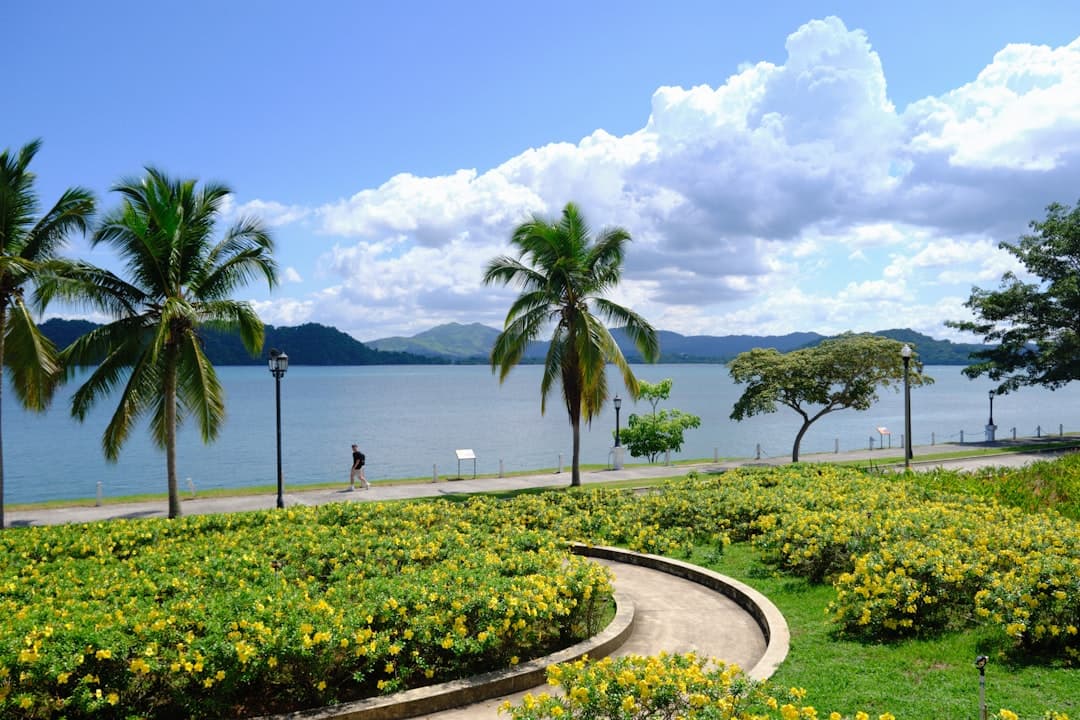
Biomuseo
Designed by world-renowned architect Frank Gehry (his only work in Latin America), the Biomuseo is a visually striking museum characterized by its crumpled, multi-colored roof panels. The museum tells the story of the Isthmus of Panama—how this narrow strip of land rose from the ocean 3 million years ago, uniting two continents, dividing a massive ocean, and forever changing the planet's biodiversity and climate.
Best Time
Morning or early afternoon (closed Mondays and Tuesdays)
Insider Tip
Don't miss the outdoor Biodiversity...
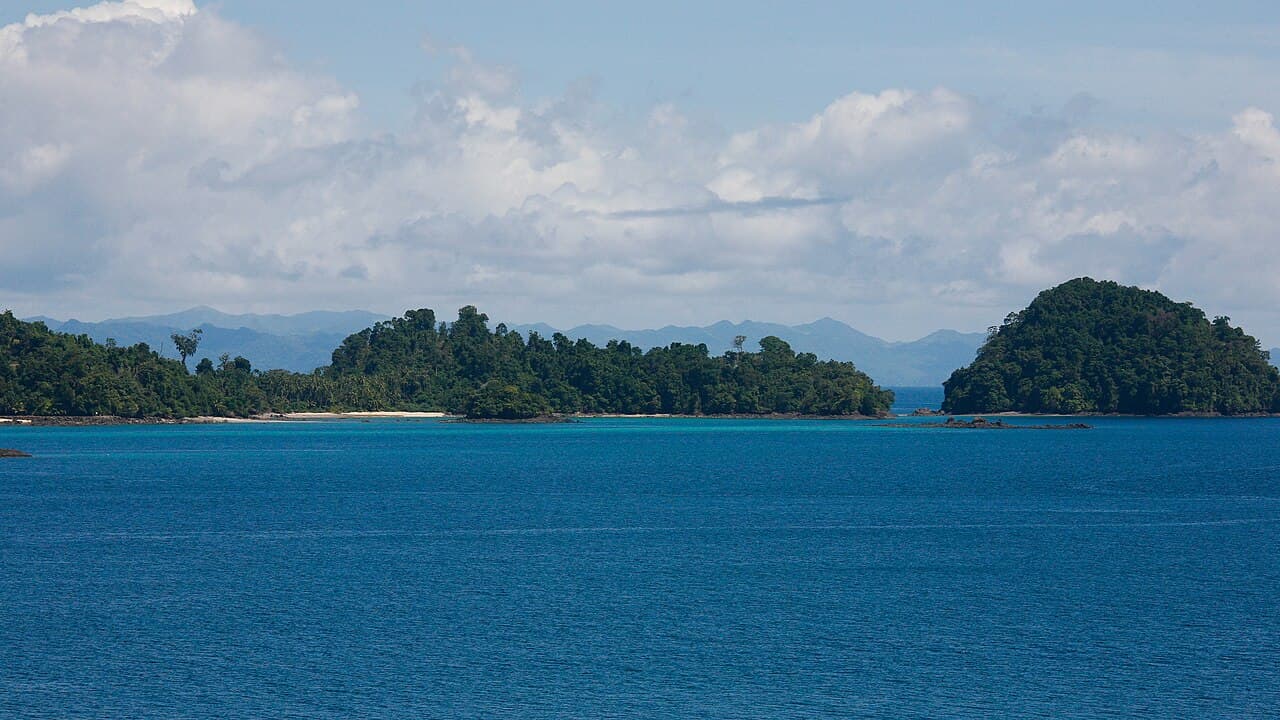
Coiba National Park
Often referred to as the 'Galapagos of Central America,' Coiba National Park is a UNESCO World Heritage site and Panama's premier destination for marine wildlife. The island of Coiba was a notorious penal colony for 90 years, which inadvertently protected its primary rainforest and surrounding reefs from development. Today, its waters are teeming with whale sharks, manta rays, humpback whales, sea turtles, and massive schools of fish, making it a world-class destination for scuba diving and snorkeling.
Best Time
January to April for dry weather; July to September for whale watching
Insider Tip
You must book a tour...
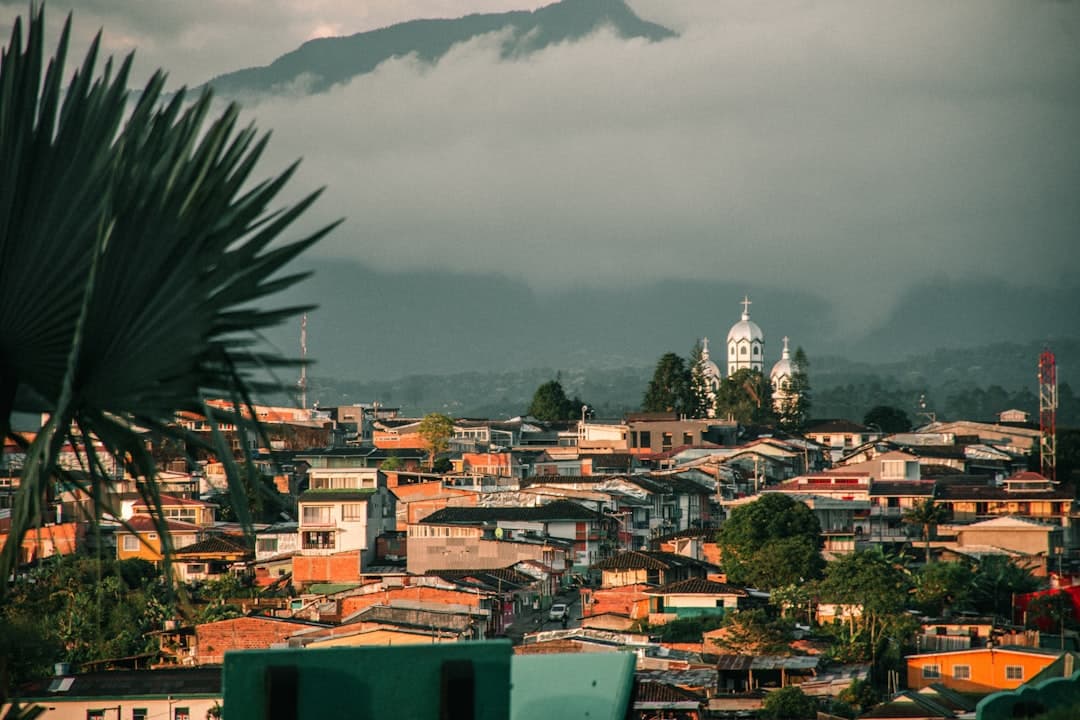
Portobelo
Portobelo was once the most important Spanish port in the Americas, serving as the departure point for Peruvian gold and Andean silver destined for Spain. To protect this wealth, the Spanish built massive coral-rock forts, the ruins of which—complete with rusting cannons pointing out to the Caribbean—now dot the sleepy town. The town is also famous for the Church of San Felipe, which houses the revered Black Christ (Cristo Negro) statue, drawing thousands of pilgrims every October.
Best Time
Dry season (December to April) or October 21 for the Black Christ festival
Insider Tip
After exploring the forts, take...
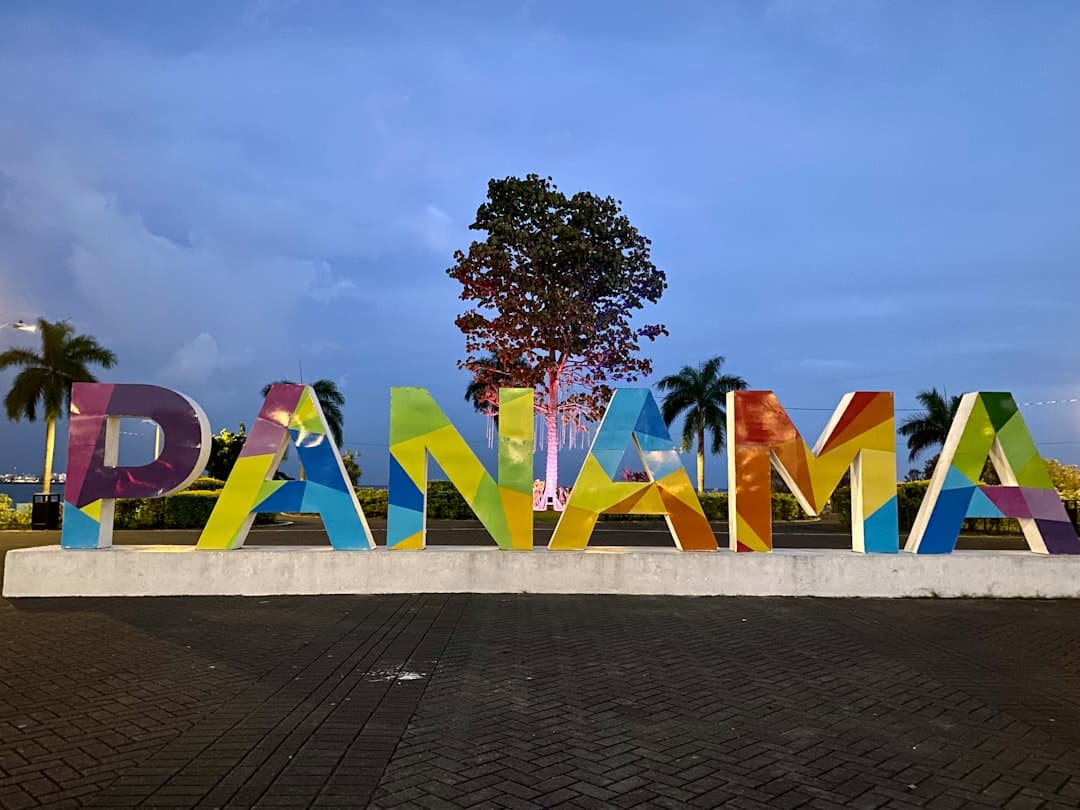
Soberanía National Park
Located just 45 minutes from Panama City, Soberanía National Park is an accessible stretch of primary tropical rainforest running alongside the Panama Canal. It is globally famous among birdwatchers, particularly the legendary Pipeline Road (Camino del Oleoducto), where a record-breaking 385 bird species were identified in a single 24-hour period. The park is also home to howler monkeys, sloths, agoutis, and tamanduas.
Best Time
Early morning (6 AM - 9 AM) when wildlife is most active
Insider Tip
Hire a specialized birding guide....
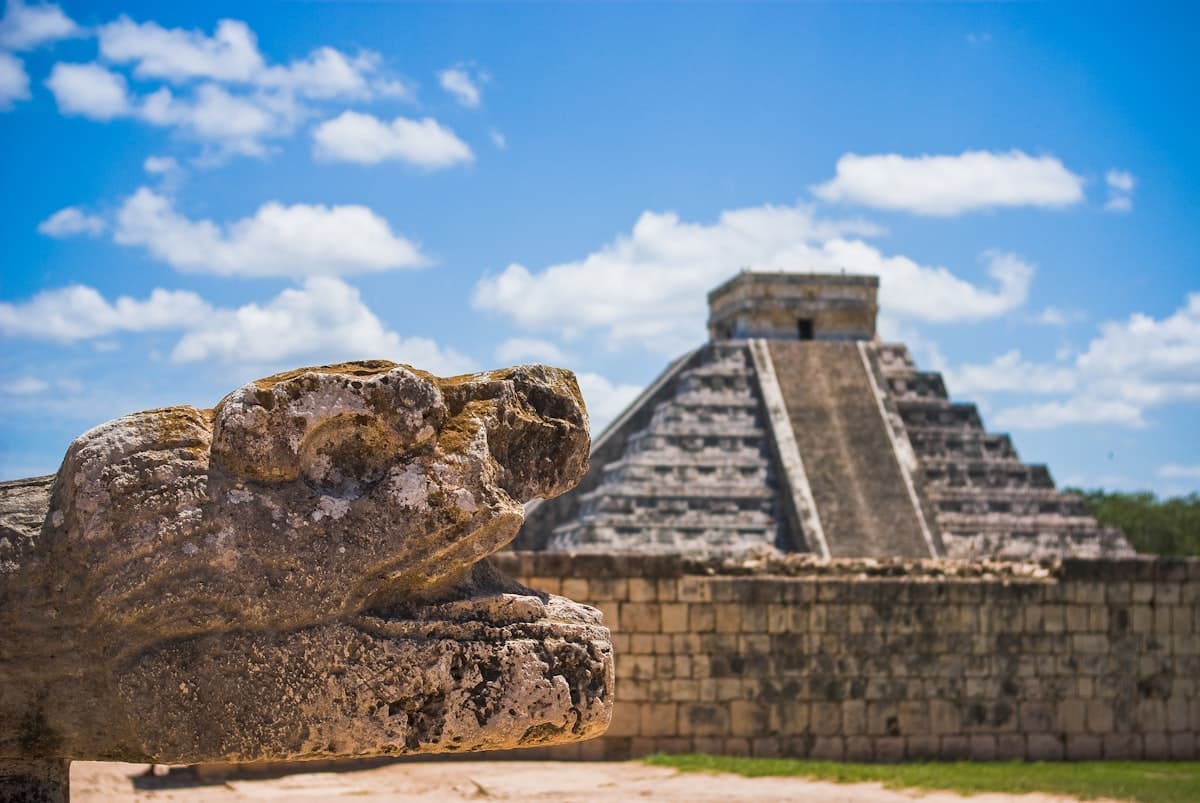
Emberá Indigenous Villages
Deep in the jungle of Chagres National Park along the Chagres River live the Emberá people, one of Panama's main indigenous groups. Visitors travel upriver in traditional dugout canoes to reach their villages. The Emberá maintain a traditional lifestyle, living in elevated thatched-roof houses, wearing colorful beaded skirts, and decorating their bodies with temporary black tattoos made from the jagua fruit. They welcome visitors to share their dances, crafts, and knowledge of medicinal plants.
Best Time
Year-round (though the river can be low in late dry season)
Insider Tip
Bring cash to purchase their...
Santa Catalina
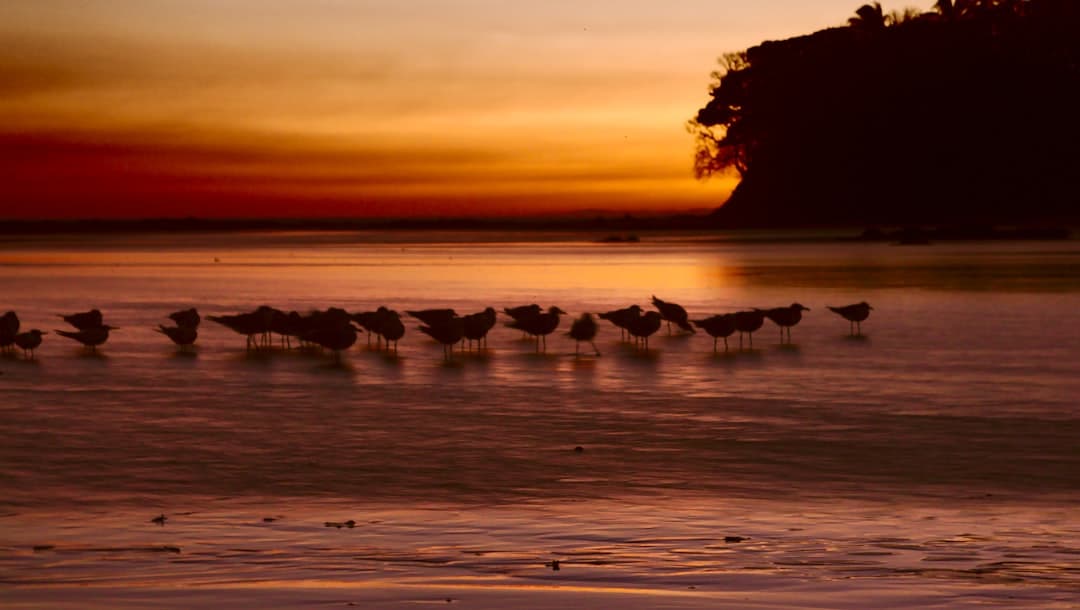
Once a secret spot known only to hardcore surfers, Santa Catalina has evolved into a laid-back, bohemian coastal village on the Pacific coast. It boasts some of the most consistent and powerful surf breaks in Central America, notably 'La Punta'. While the town has grown, it retains a rustic, dirt-road charm with excellent seafood shacks and a relaxed vibe. It also serves as the primary jumping-off point for diving trips to Coiba National Park.
Best Time
February to August for the biggest swells; dry season for general visiting
Insider Tip
Visit Playa Estero for beginner...
Valle de Antón (El Valle)
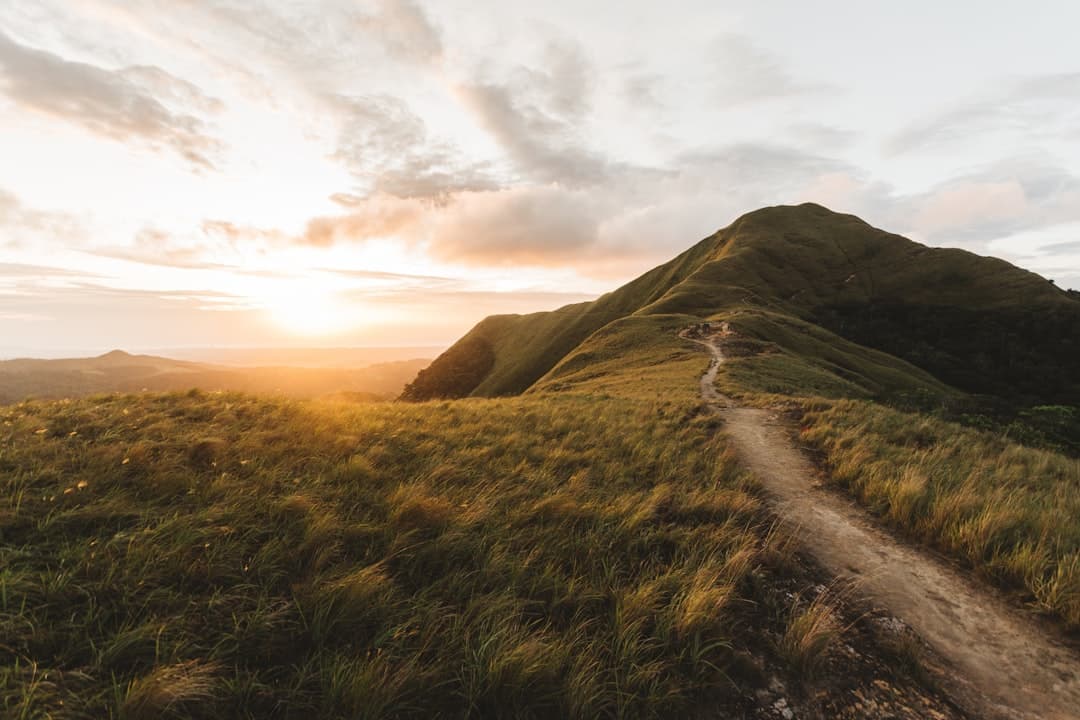
El Valle de Antón is a picturesque highland town situated entirely within the crater of a massive, extinct volcano—the largest inhabited volcanic crater in the world. Surrounded by jagged green peaks, the town enjoys a cool, spring-like climate. It is famous for its Sunday artisan market, the Square Trees (trees with genuinely square trunks), thermal hot springs, and excellent hiking trails like La India Dormida (The Sleeping Indian Girl), a mountain ridge resembling a reclining woman.
Best Time
December to April
Insider Tip
Hike La India Dormida at...
Panamá Viejo
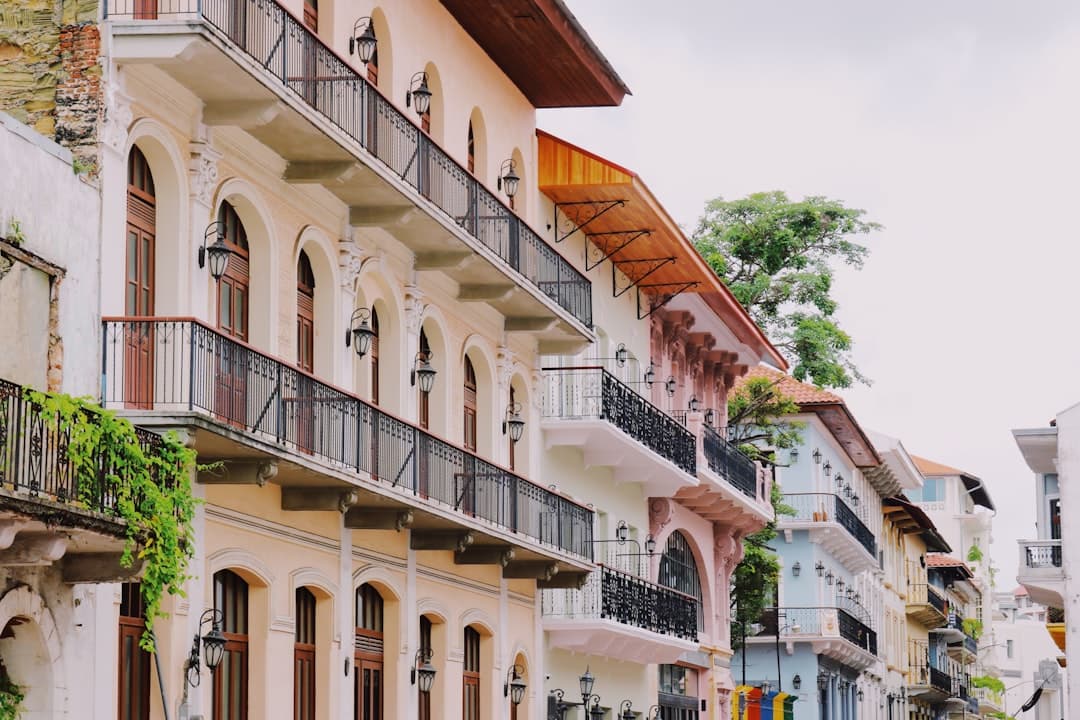
Panamá Viejo represents the ruins of the original Panama City, founded in 1519. It was the first European settlement on the Pacific coast of the Americas and a vital hub for Spanish colonial trade. The city flourished for 150 years until it was sacked and burned by the infamous Welsh privateer Captain Henry Morgan in 1671. Today, the extensive archaeological site features the iconic remaining tower of the Cathedral, ruined convents, and an excellent museum detailing pre-Columbian and colonial history.
Best Time
Early morning to avoid the heat
Insider Tip
Climb the restored Cathedral tower...
Pearl Islands (Islas Perlas)
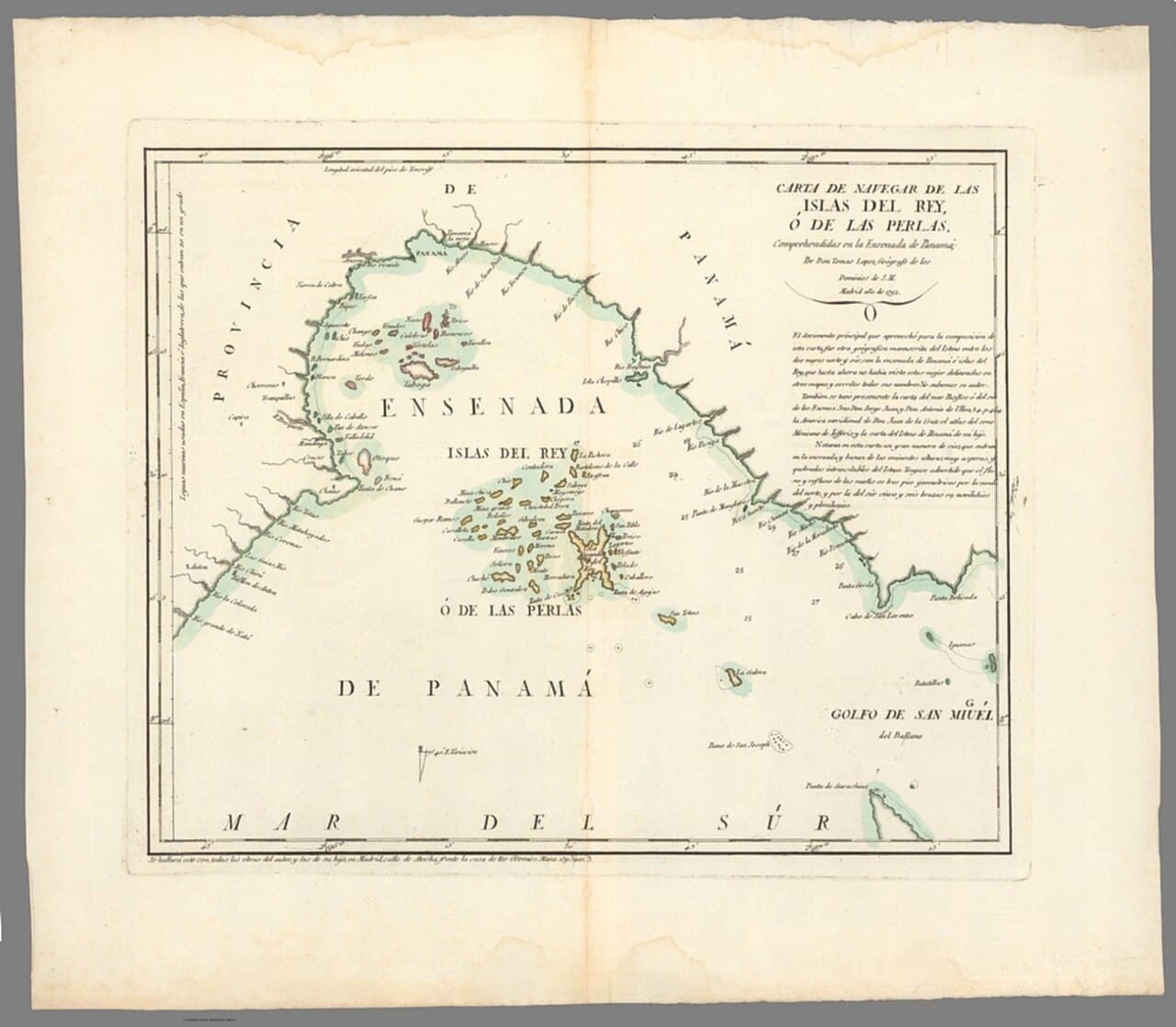
The Pearl Islands are a group of over 200 islands and islets in the Pacific Ocean, named by Spanish conquistadors who discovered immense wealth of pearls here. Famous globally as a filming location for the reality show 'Survivor,' the islands boast pristine white sand beaches, clear turquoise waters, and lush jungles. Contadora Island is the most developed, offering luxury resorts, while islands like Saboga offer a more rugged, authentic experience. The waters here are prime territory for whale watching.
Best Time
July to October for whale watching; December to April for beach weather
Insider Tip
Rent a golf cart on...

Gulf of Chiriquí National Marine Park
This vast marine park protects an expanse of the Pacific Ocean containing coral reefs, mangrove swamps, and dozens of uninhabited tropical islands, most notably the Secas and Paridas archipelagos. Unlike the more developed Bocas del Toro, the Gulf of Chiriquí remains wild and largely undiscovered. The area is a sanctuary for howler monkeys, leatherback turtles, and a massive variety of tropical fish. It is a world-class destination for sport fishing, snorkeling, and sea kayaking.
Best Time
December to April (dry season)
Insider Tip
Base yourself in the small...
Metropolitan Natural Park
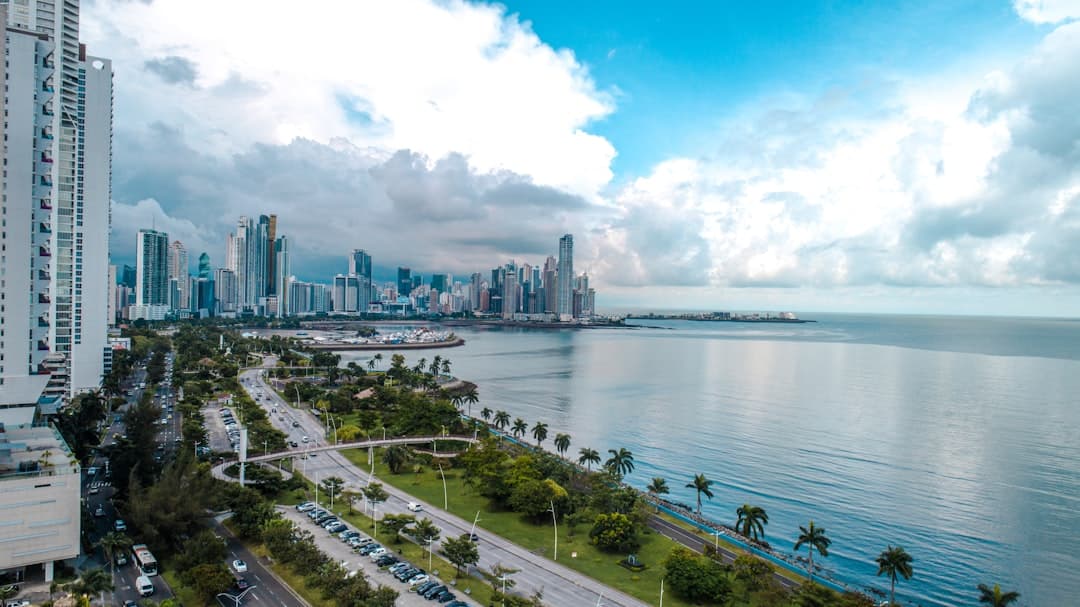
Parque Natural Metropolitano is the only tropical wildlife refuge located within a major metropolitan area in Latin America. Covering 232 hectares just 10 minutes from downtown Panama City, this dry tropical forest is home to 227 species of birds, 45 species of mammals (including sloths, agoutis, and Geoffroy's tamarins), and 14 species of amphibians. Well-maintained hiking trails wind through the forest, leading to lookout points.
Best Time
Early morning (7 AM) for the best wildlife viewing and coolest temperatures
Insider Tip
Walk the Sendero Los Caobos...
Monkey Island (Gatun Lake)
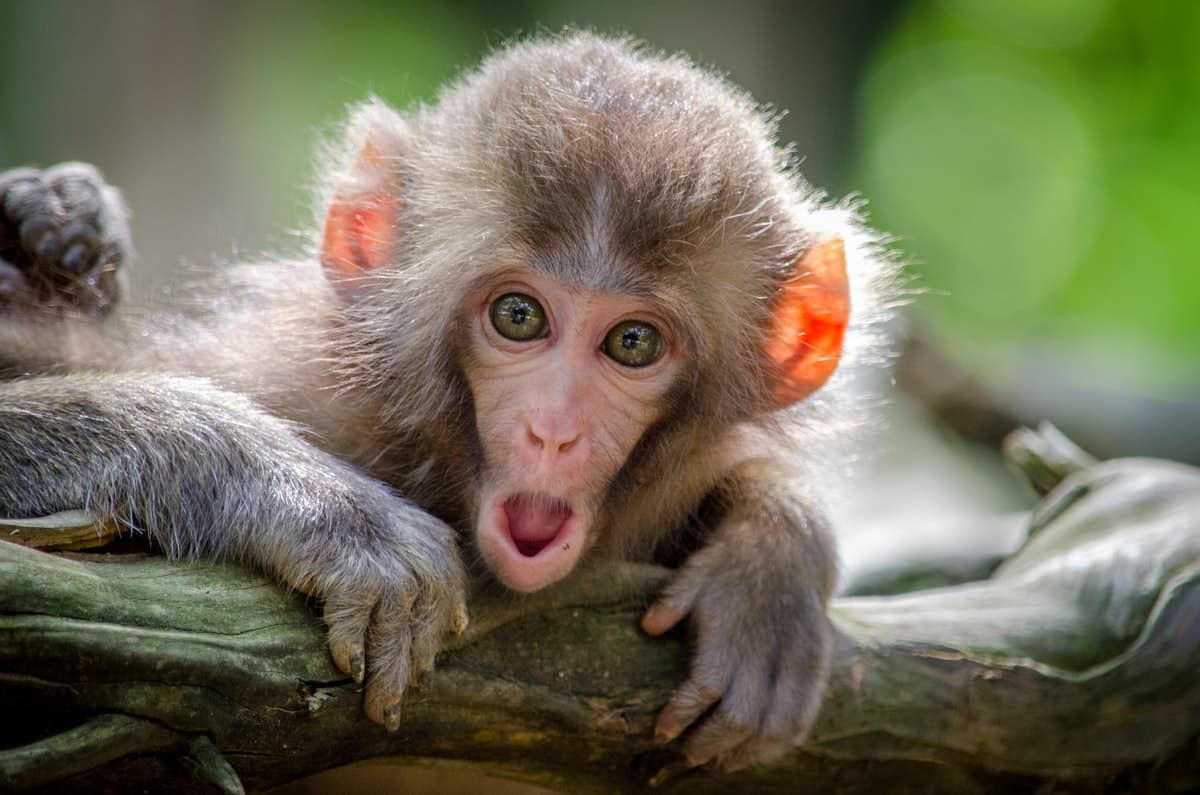
Gatun Lake is a massive artificial lake created during the construction of the Panama Canal. When the Chagres River was dammed, the rising waters turned former hilltops into islands. 'Monkey Island' is the most famous of these, home to several species of monkeys including white-faced capuchins, howlers, and Geoffroy's tamarins. Boat tours take visitors right up to the shoreline, where curious monkeys often swing down to inspect the boats.
Best Time
Morning
Insider Tip
Combine a Monkey Island boat...
Bridge of the Americas
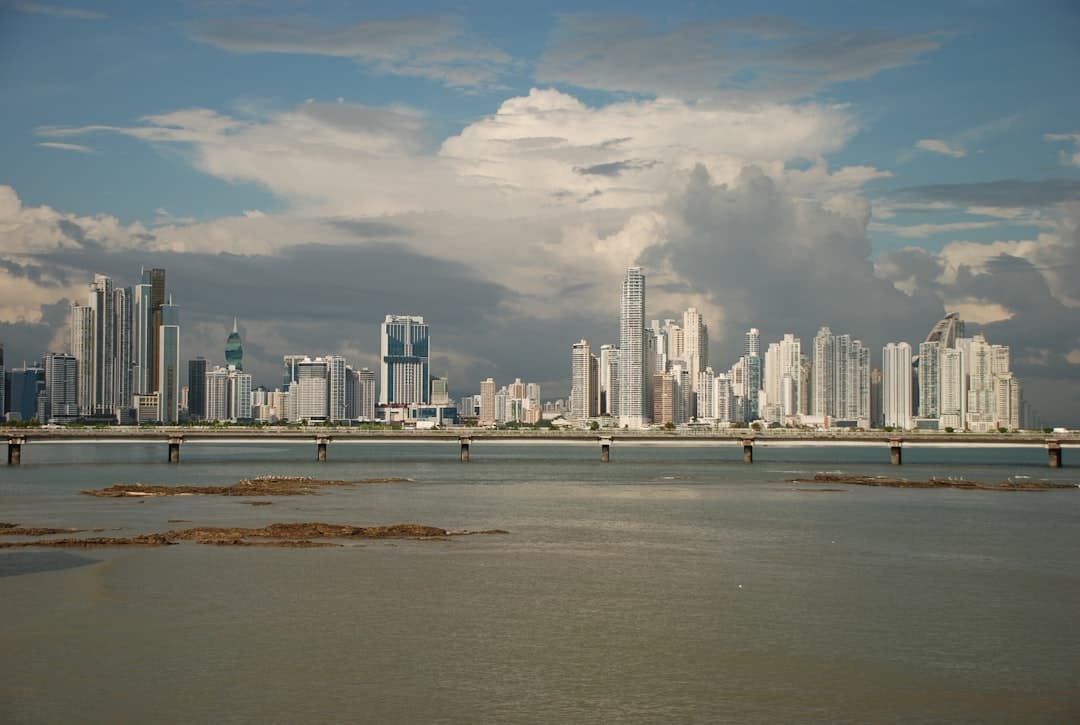
Completed in 1962, the Bridge of the Americas was the first permanent bridge to connect the landmasses of North and South America, which had been severed by the creation of the Panama Canal. This massive steel arch bridge spans the Pacific entrance to the canal. For decades, it was the only non-swinging crossing over the canal and remains an iconic symbol of Panama's geographic importance as the crossroads of the world.
Best Time
Sunset or night when the bridge is illuminated
Insider Tip
You cannot walk on the...
Travel Tips for Panama
- 1.
Use Uber in the city
- 2.
The currency is pegged to the US Dollar
- 3.
Visit both coasts