
Discover
Poland
A land of medieval castles, stunning old towns, and rich cultural heritage.
Top Destinations
Explore our curated selection of landmarks and cities you must visit.
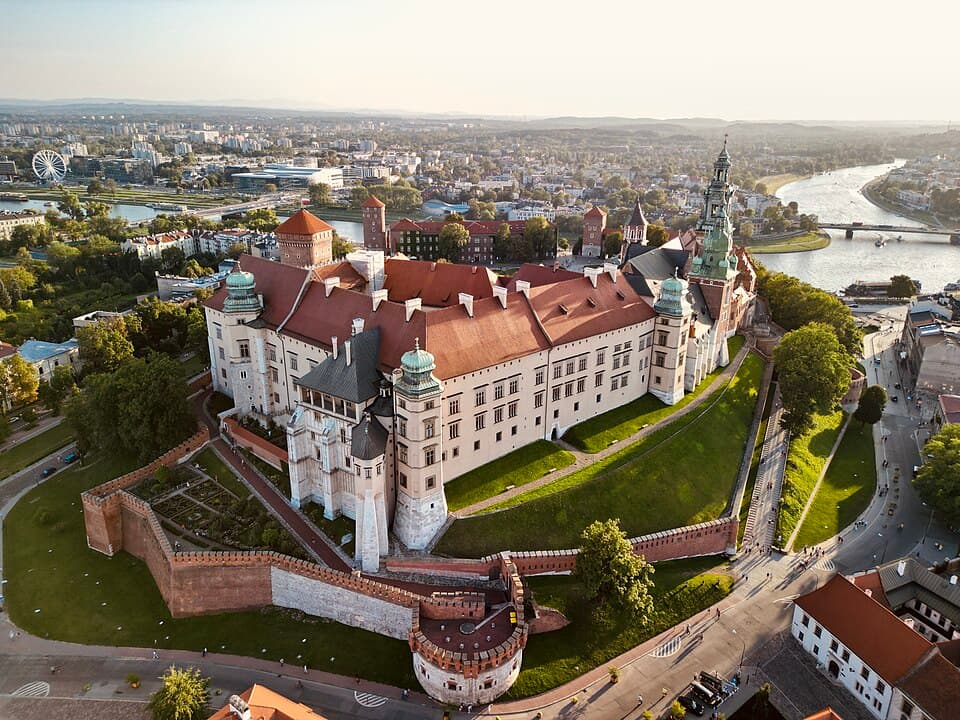
Wawel Castle
The magnificent royal castle on Wawel Hill in Kraków, which served as the official residence of Polish kings from the 11th century until the early 17th century. The complex includes the Royal Castle, the Wawel Cathedral (coronation church of Polish kings), and the legendary Dragon's Den cave.
Best Time
April–October for good weather. Book timed entry tickets well in advance in summer — the castle limits daily visitors.
Insider Tip
The Wawel Dragon cave at...
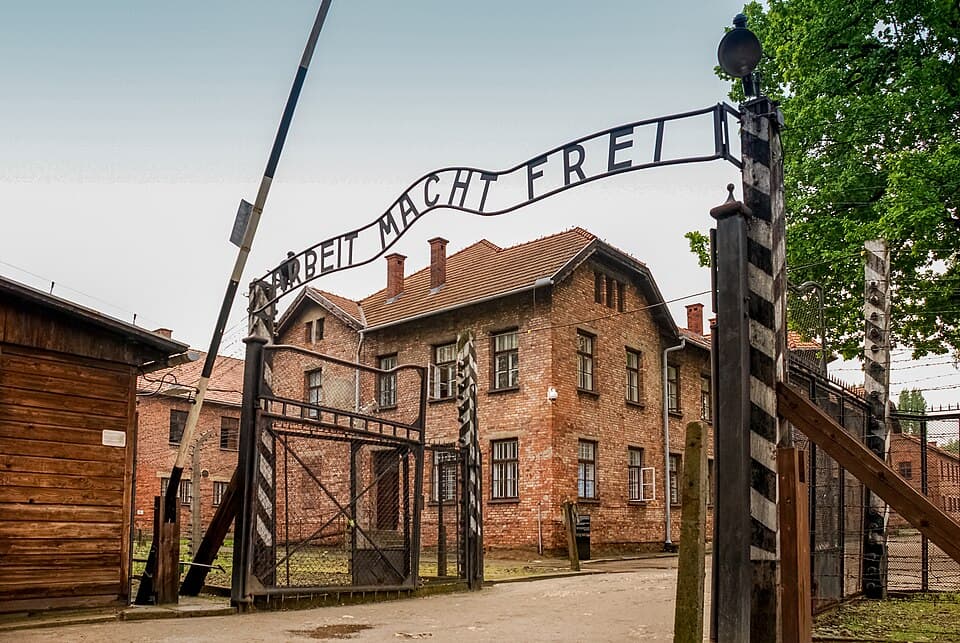
Auschwitz-Birkenau Memorial
The largest Nazi concentration and extermination camp complex, where approximately 1.1 million people — predominantly Jews — were murdered between 1940 and 1945. Now preserved as a UNESCO World Heritage Site and museum, it is both a sobering testament to human evil and a place of profound memorial.
Best Time
Year-round. Weekday visits reduce crowds. Reserve guided tour tickets at least 2–4 weeks in advance.
Insider Tip
Book a 3.5-hour guided tour...
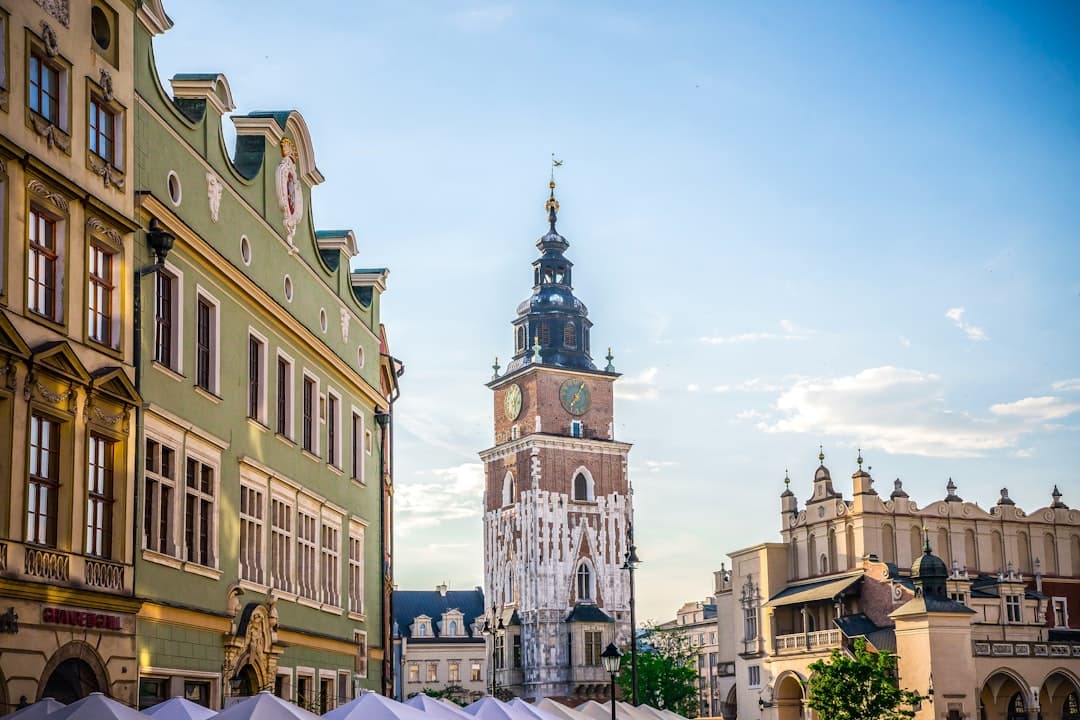
Kraków Old Town (Market Square)
The largest medieval market square in Europe (200×200 metres), surrounded by burgher houses, churches, and dominated by the Cloth Hall (Sukiennice) and the twin-towered St. Mary's Basilica. The Old Town was Poland's capital for 500 years and is a UNESCO World Heritage Site.
Best Time
May–September for outdoor café culture and evening concerts. December for one of Poland's finest Christmas markets.
Insider Tip
Climb the St. Mary's Basilica...
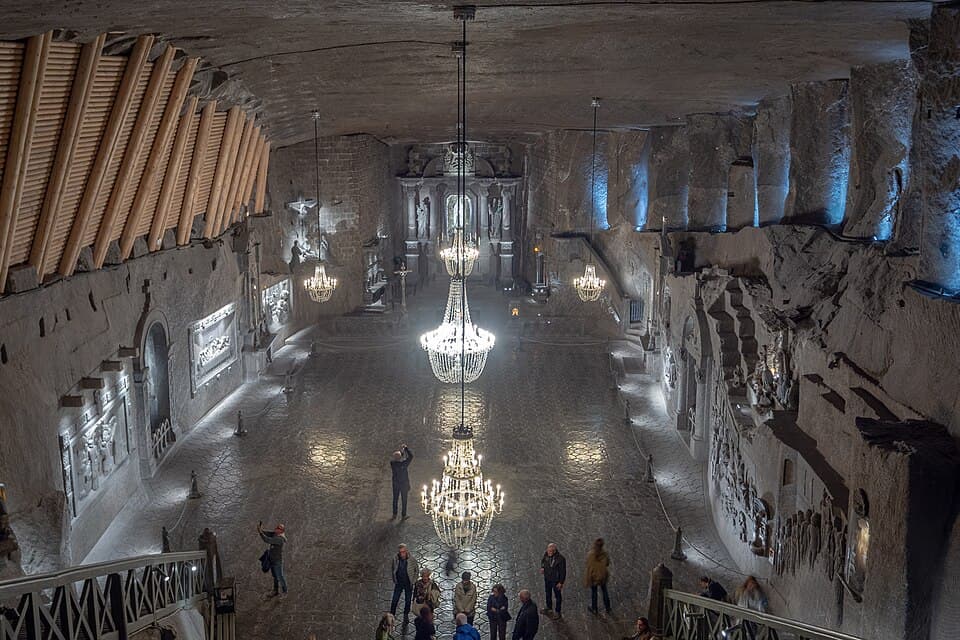
Wieliczka Salt Mine
A UNESCO World Heritage salt mine continuously operated since the 13th century, with 300 kilometres of galleries on 9 levels descending to 327 metres. The mine contains extraordinary underground chambers carved from salt, including a vast ballroom-cathedral (Chapel of St. Kinga) with chandeliers made from salt crystals.
Best Time
Year-round. Book timed entry tickets in advance. The temperature underground is a constant 14°C year-round.
Insider Tip
Take the 2-hour tourist route...
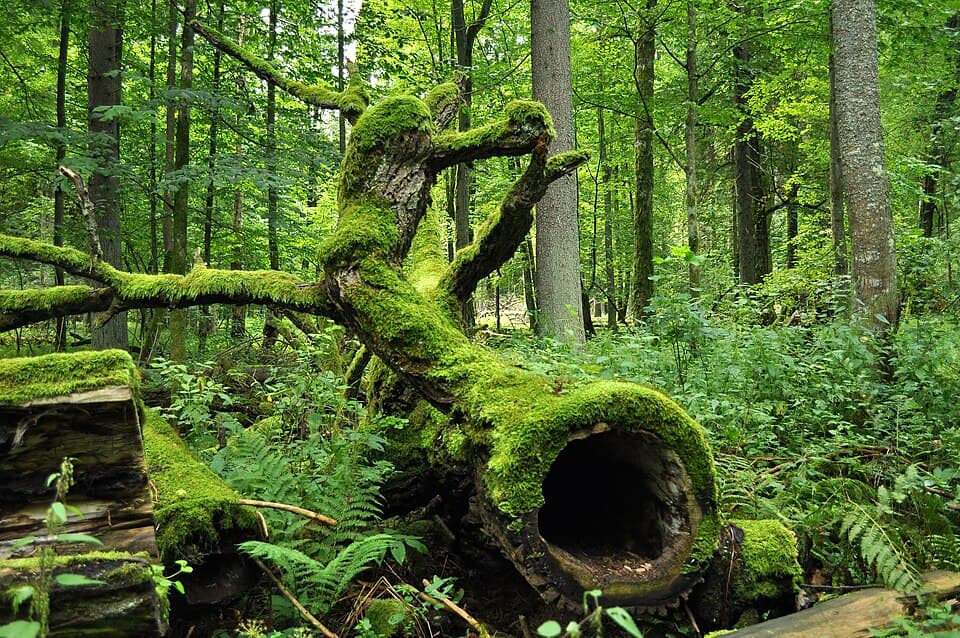
Białowieża Forest
The last and largest remnant of the primeval forest that once covered the European Plain — a UNESCO World Heritage Site spanning the Polish-Belarusian border. Home to the European bison (żubr), the continent's heaviest land animal, reintroduced after near-extinction in the 20th century.
Best Time
May–June for spring foliage and birdsong. September–October for autumn colours. Winter for bison tracking in snow.
Insider Tip
Hire a licensed local guide...
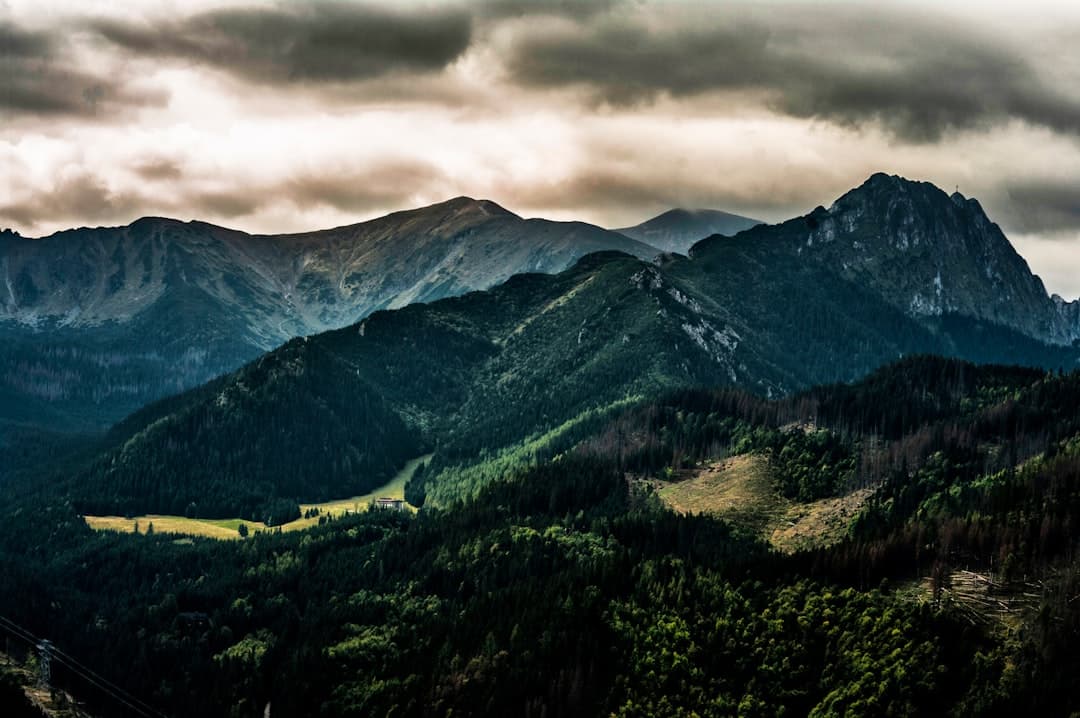
Tatra Mountains (Zakopane)
The highest mountain range in the Carpathians, forming the southern border of Poland. The resort town of Zakopane (known as 'the winter capital of Poland') sits at the foot of the range and provides access to spectacular alpine scenery, with peaks reaching 2,499 metres at Rysy.
Best Time
July–August for hiking to alpine lakes and peaks. December–March for skiing. September for fewer crowds and stunning autumn light.
Insider Tip
Morskie Oko lake (the 'Eye...
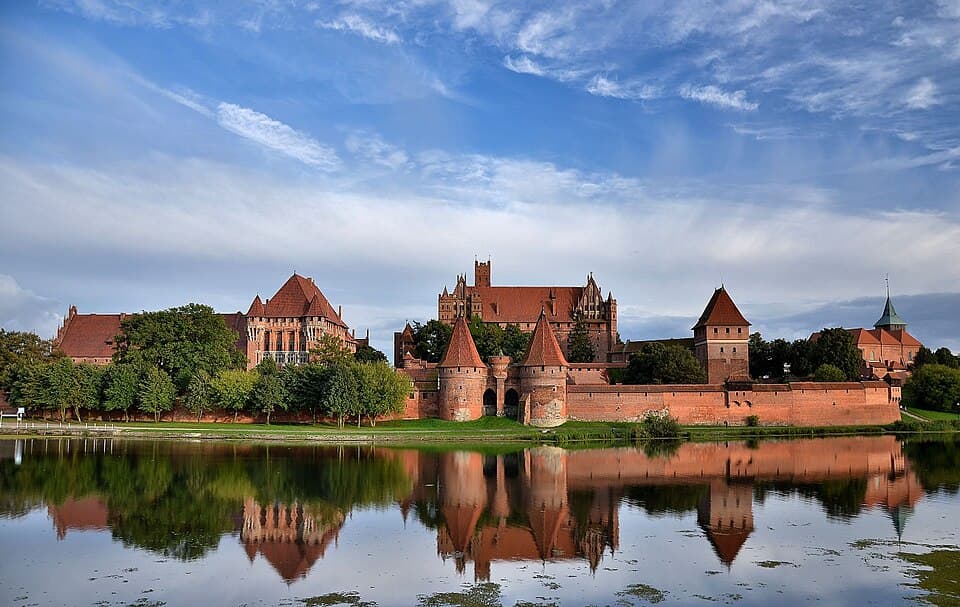
Malbork Castle
The world's largest castle by land area (21 hectares) — a vast Teutonic Knights fortress built entirely of red brick beginning in 1274. A UNESCO World Heritage Site, Malbork is the supreme example of medieval military architecture in northern Europe, with three concentric defensive rings surrounding the Grand Masters' palace.
Best Time
May–September. The castle hosts spectacular Teutonic Knights tournaments in summer. Book ahead for summer.
Insider Tip
Take the full guided tour...
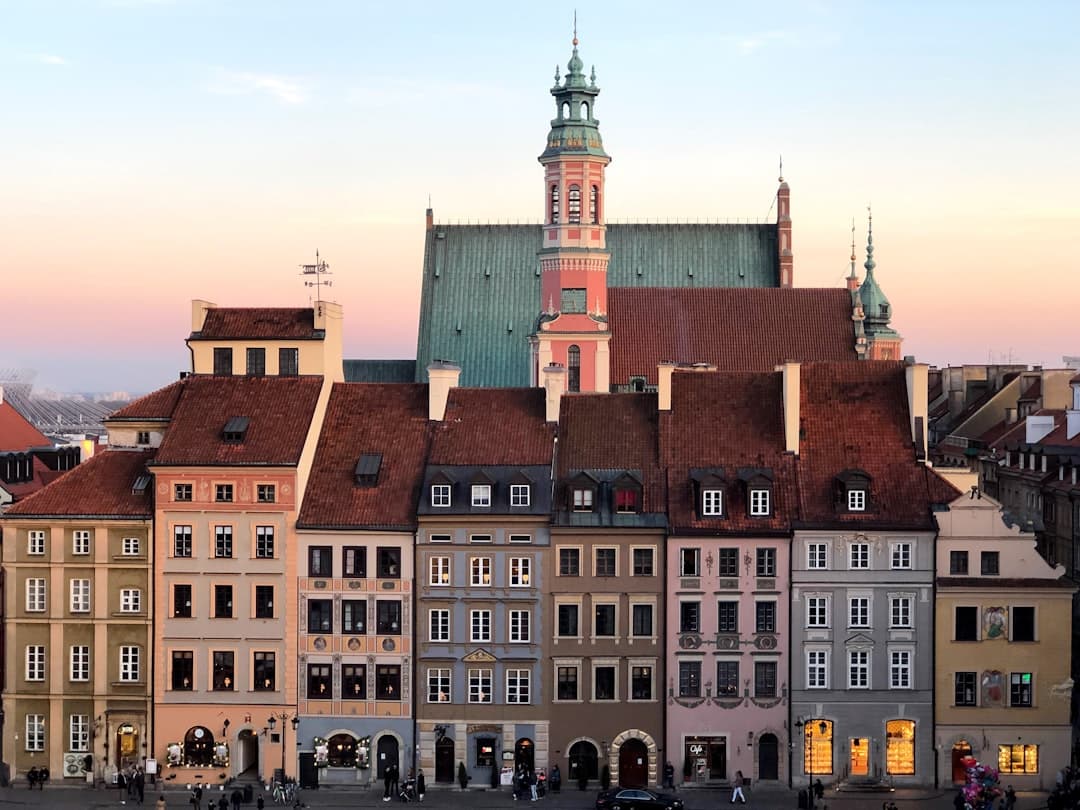
Warsaw Old Town (Stare Miasto)
Warsaw's Old Town is a remarkable UNESCO World Heritage Site because it was entirely rebuilt after being 85% destroyed by the Nazis in 1944. The meticulous post-war reconstruction — based on historical paintings, photographs, and architectural records — recreated the 13th–18th-century townscape in extraordinary detail.
Best Time
May–September for outdoor café terraces and events. December for the Christmas market.
Insider Tip
Visit the Warsaw Rising Museum...
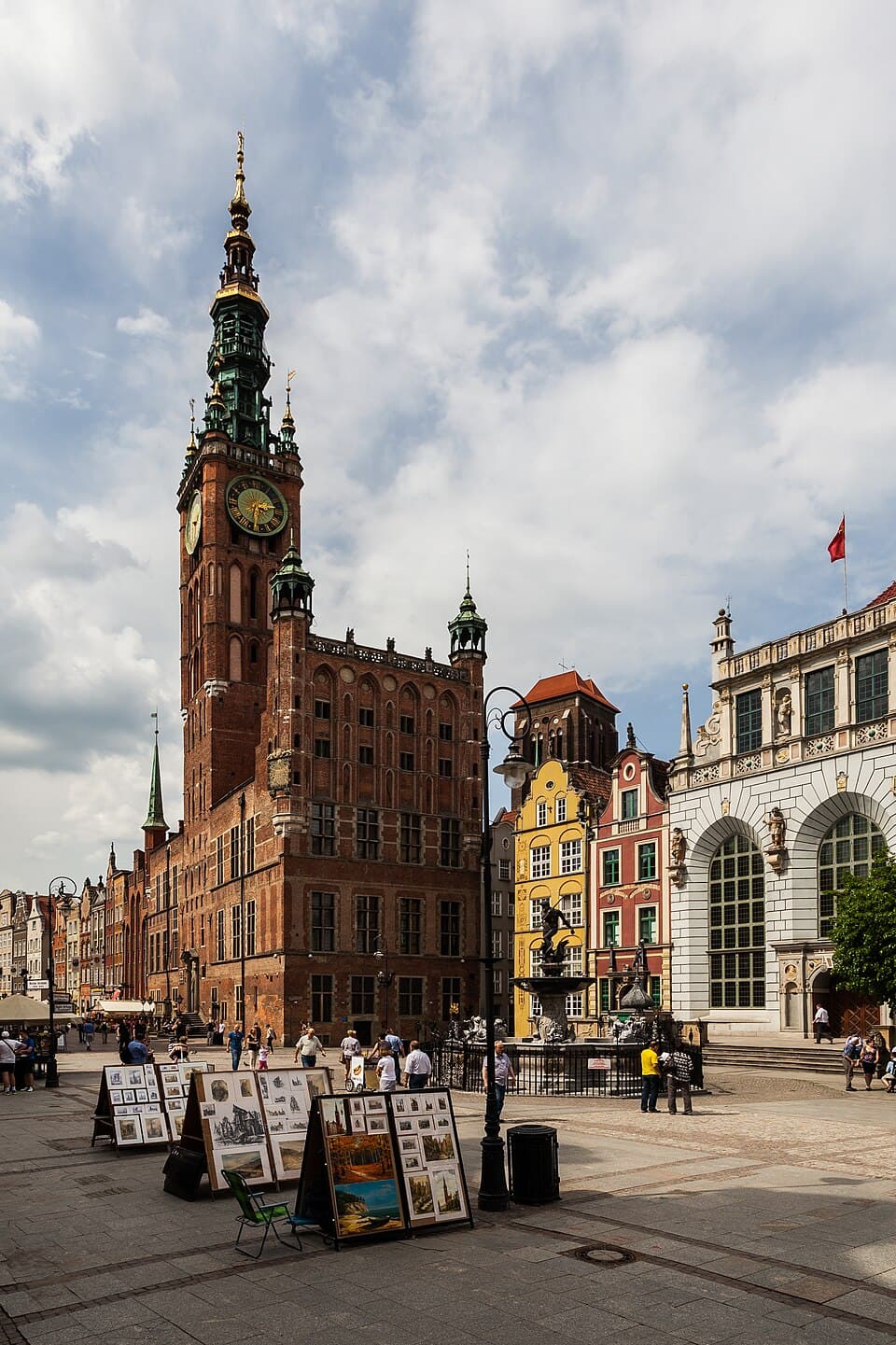
Gdańsk Old Town
A stunning Hanseatic city on the Baltic coast whose amber-coloured Long Street (Długa) and reconstructed medieval townhouses rival Amsterdam in beauty. Gdańsk is also historically significant as the birthplace of the Solidarity movement and the city where World War II began at the Westerplatte peninsula.
Best Time
May–September. St. Dominic's Fair (late July–early August) is Gdańsk's largest and oldest annual market.
Insider Tip
Walk up the Długa (Long...
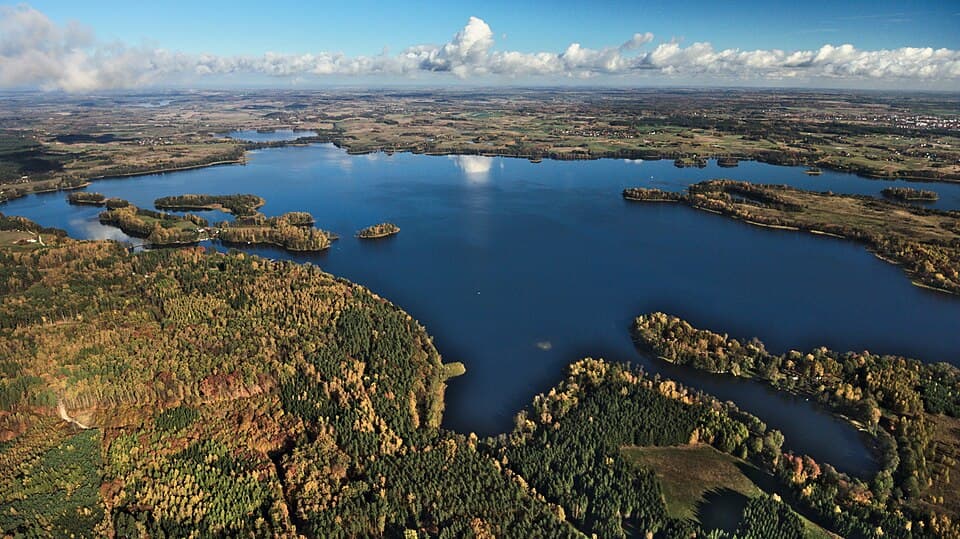
Masurian Lakes
A landscape of over 2,000 glacial lakes connected by rivers and canals in northeastern Poland, covering 3,000 km². The 'Land of a Thousand Lakes' is Poland's premier summer sailing and kayaking destination — vast, flat, and studded with forested shores and charming lakeside towns.
Best Time
June–August for sailing, kayaking, and lake swimming. May and September for birdwatching and fewer visitors.
Insider Tip
Rent a traditional motorboat in...
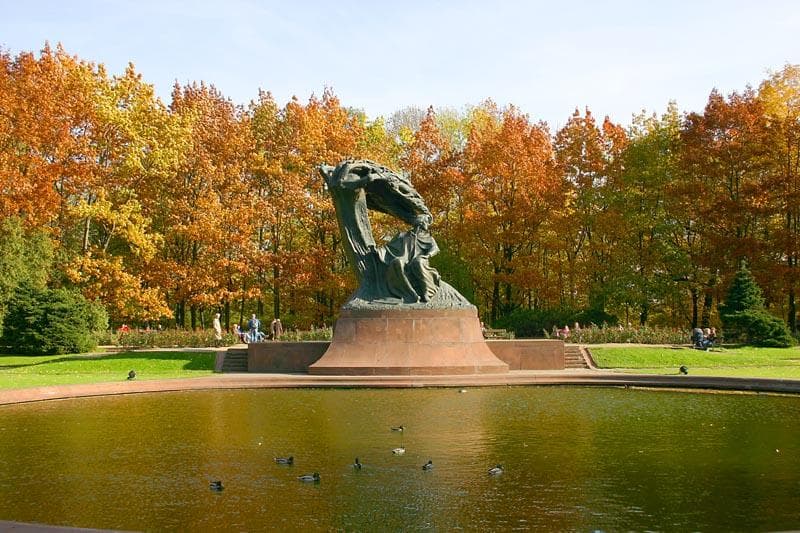
Łazienki Park
Warsaw's most beautiful park — 76 hectares of baroque and neoclassical gardens, ponds, and pavilions centred on the Palace on the Water (Pałac na Wodzie), an 18th-century royal residence standing literally on an island in an ornamental lake.
Best Time
May–September for Chopin concerts (Sundays at noon and 4pm, free entry). May for the beautiful spring flowers.
Insider Tip
Arrive early for Sunday Chopin...
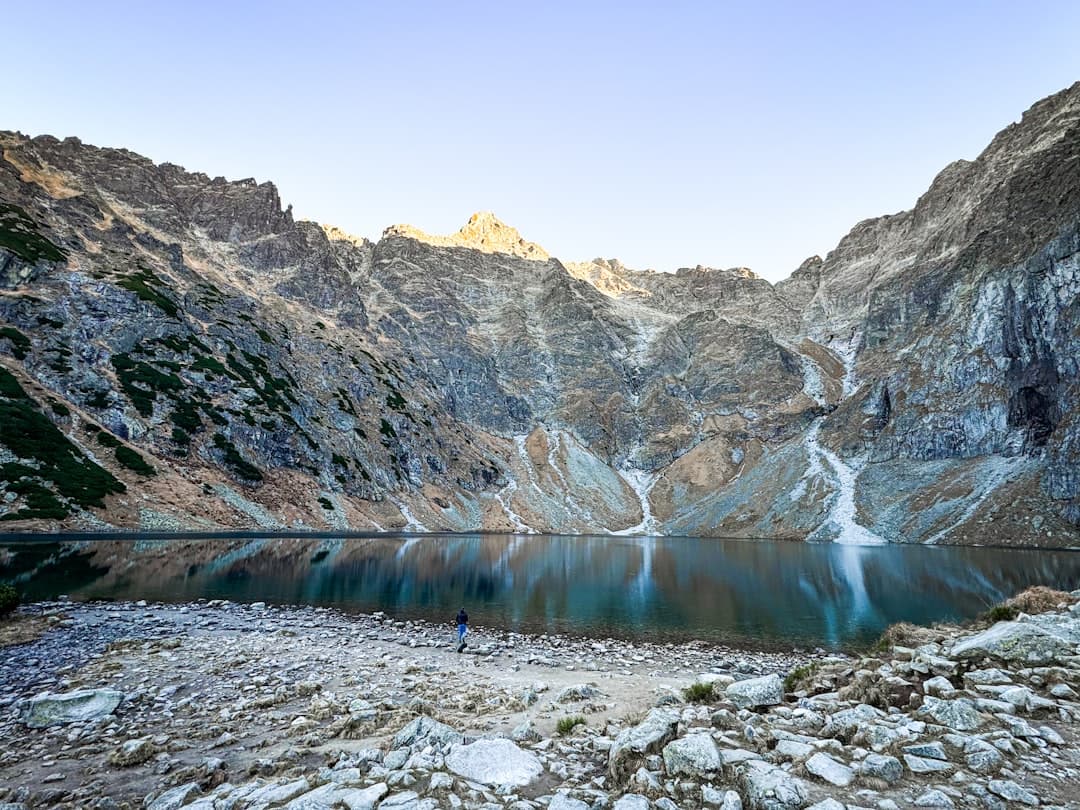
Morskie Oko Lake
Poland's largest and most beautiful glacial lake, nestled at 1,395 metres altitude in the heart of the Tatra National Park, surrounded by seven of the highest peaks in Poland. Crystal clear and deep blue-green, the lake lies beneath a dramatic crescent of rocky peaks.
Best Time
June–September for hiking. The lake is frozen and equally beautiful in February–April.
Insider Tip
Start walking from the horse...
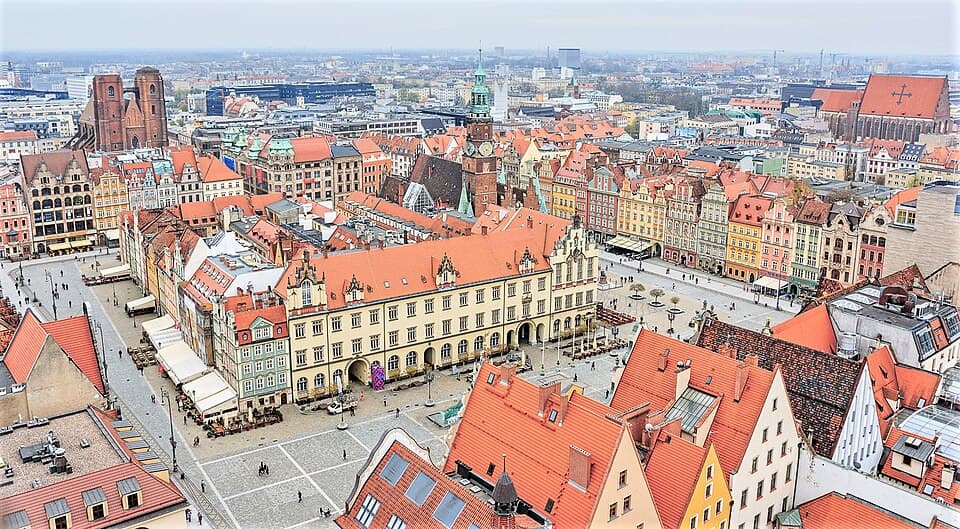
Wrocław Market Square
One of the largest medieval market squares in Central Europe, surrounded by 300 colourful burgher houses and dominated by the magnificent Gothic-Renaissance Town Hall. Wrocław's Old Town, once part of Bohemia and Prussia, has a unique multicultural heritage that distinguishes it from other Polish cities.
Best Time
May–September for outdoor café culture. December for the renowned Wrocław Christmas Market — consistently ranked among Europe's best.
Insider Tip
Hunt for the city's 300+...
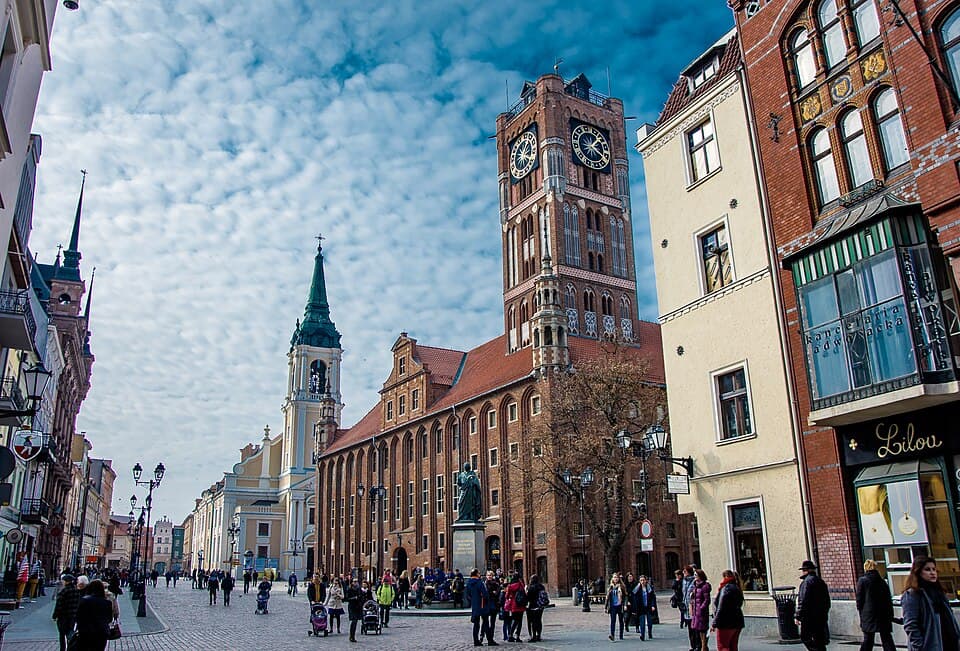
Toruń Medieval Town
A UNESCO World Heritage medieval town on the Vistula River, birthplace of astronomer Nicolaus Copernicus (1473). The remarkably intact 13th-century walls, Gothic churches, Teutonic Castle ruins, and beautifully preserved burgher houses form one of Poland's most authentic medieval townscapes.
Best Time
May–September. The Probaltica Chamber Music Festival in May and Toruń Gingerbread Festival in October are highlights.
Insider Tip
The interactive Copernicus Museum in...
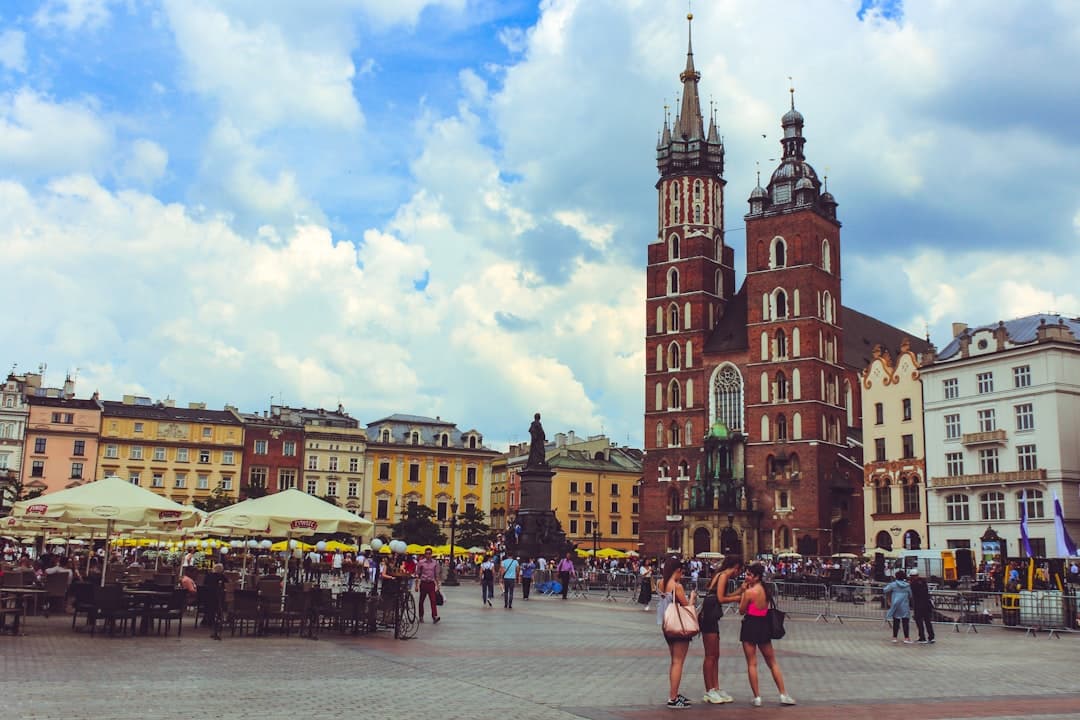
Kazimierz (Kraków Jewish Quarter)
A historic district on the southern edge of Kraków's Old Town that was the centre of Jewish life in the city for 500 years before the Holocaust. Today Kazimierz is a vibrant neighbourhood of synagogues, Jewish restaurants, klezmer music bars, bohemian cafes, and street art.
Best Time
Year-round. The Jewish Culture Festival (late June/early July) is one of Europe's finest Jewish cultural events.
Insider Tip
Visit the Old Synagogue (the...
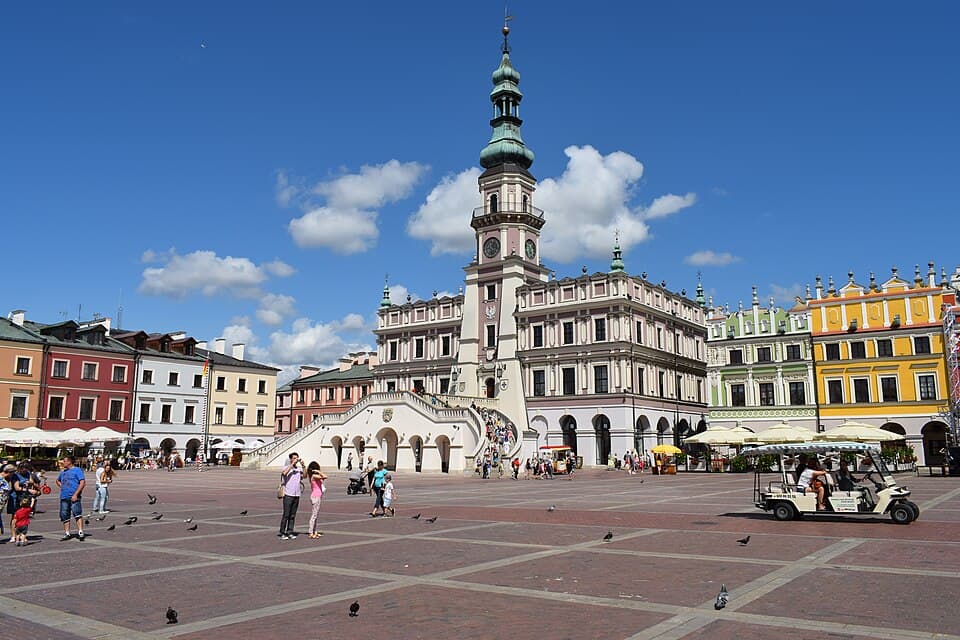
Zamość Old Town
A UNESCO World Heritage fortified Renaissance town built in the late 16th century by Chancellor Jan Zamoyski as an ideal city according to Italian Renaissance urban planning principles. Known as the 'Pearl of the Renaissance,' Zamość retains its original street plan, colonnaded town square, and fortifications almost intact.
Best Time
May–September. Summer brings outdoor concerts in the Market Square and events in the town fortifications.
Insider Tip
Zamość is only 2 hours...
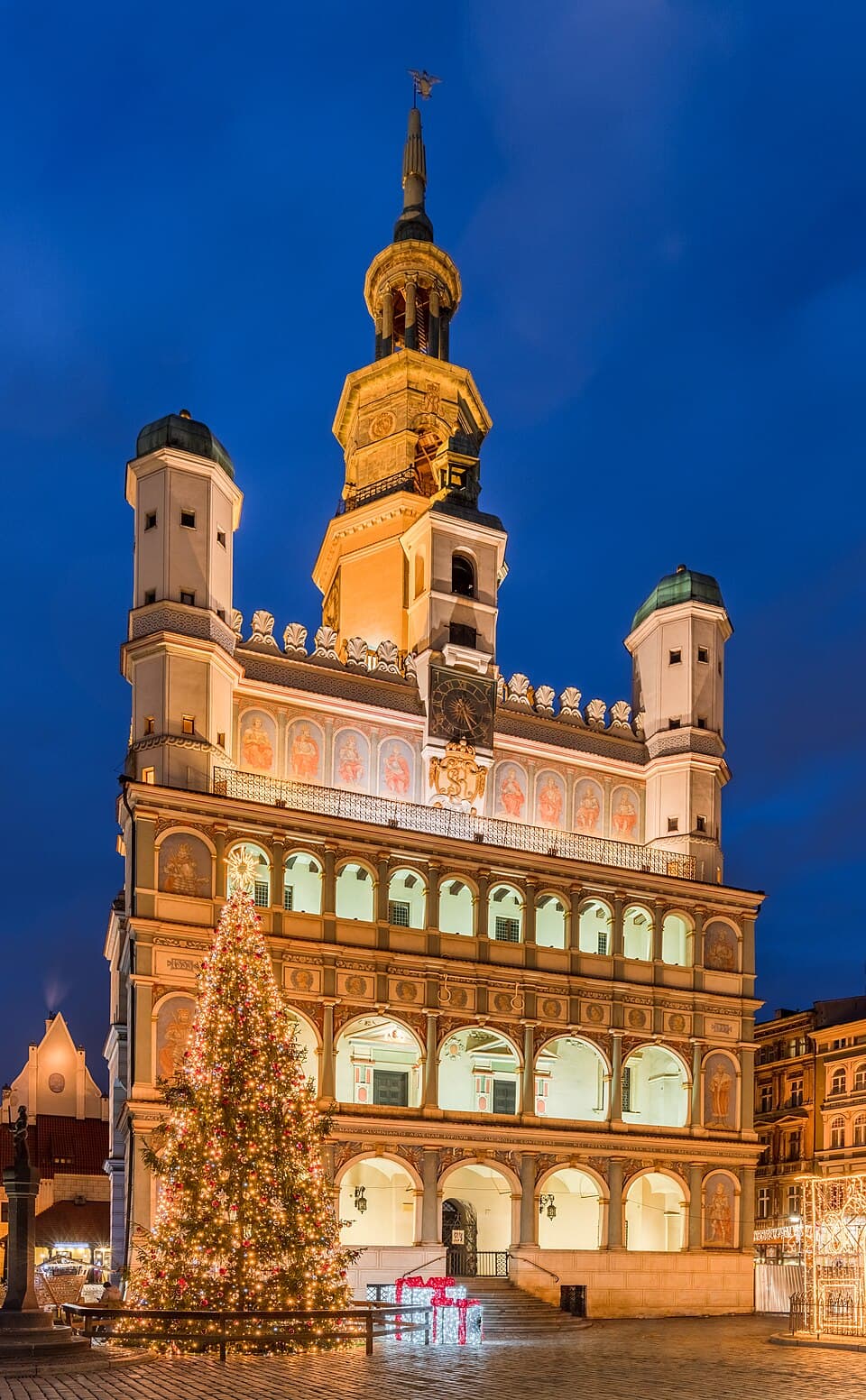
Poznań Town Hall
One of the finest examples of Renaissance architecture in Central Europe, Poznań's Town Hall (built 1550–1560) dominates the Old Market Square with its three-tiered loggias and slender tower. Every day at noon, two mechanical billy goats emerge from a clock in the tower and butt heads 12 times.
Best Time
Year-round. The noon goat show runs daily at 12pm. December for the Christmas market.
Insider Tip
Visit the Historical Museum of...
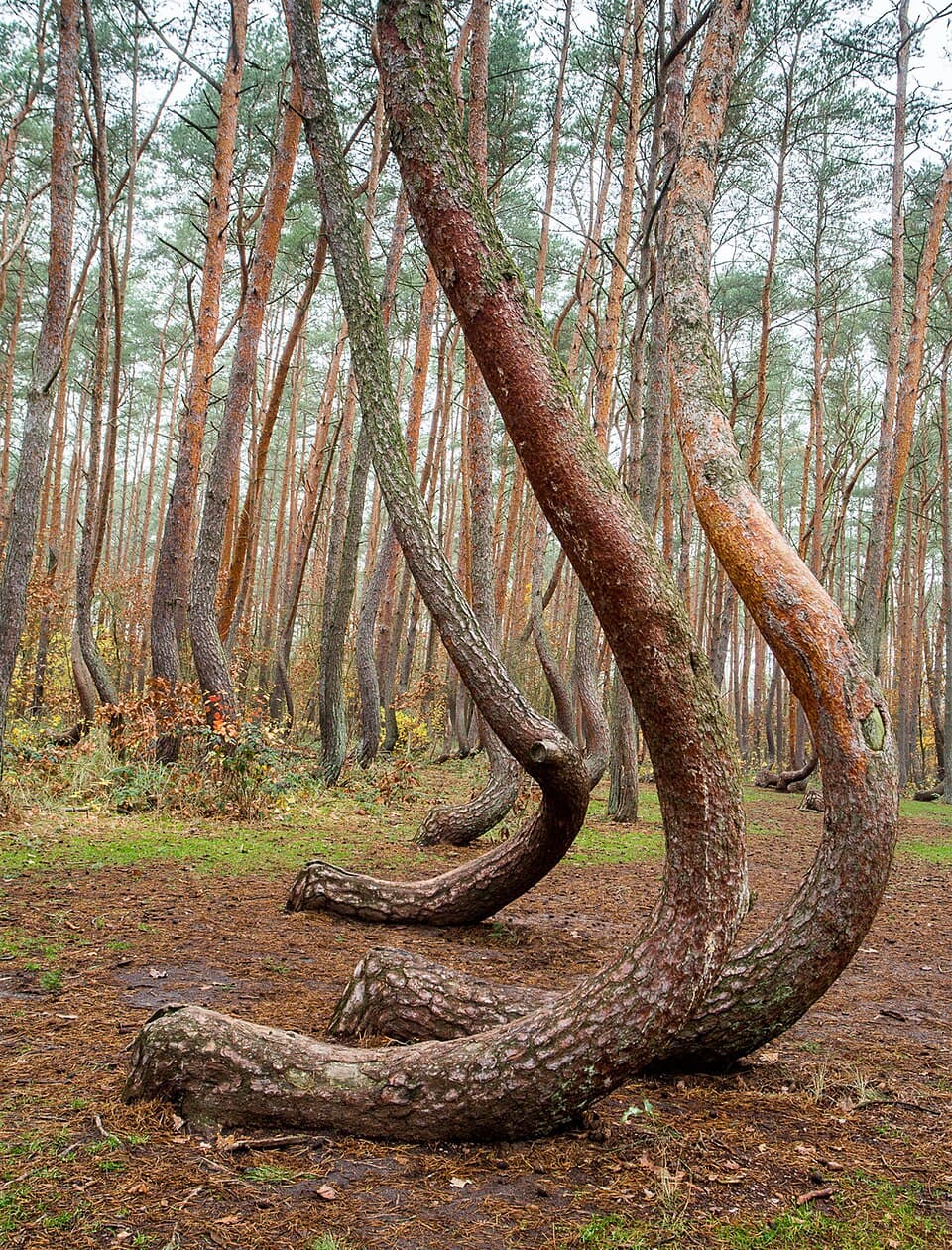
Crooked Forest (Gryfino)
A grove of approximately 400 pine trees with a sharp 90-degree curve at the base of each trunk, planted around 1930. All the trees curve northward then grow vertically — the cause of this remarkable deformation remains a genuine mystery despite decades of scientific investigation.
Best Time
Year-round. The forest is small but is most atmospheric in autumn mist or early morning light.
Insider Tip
The forest is small (300...
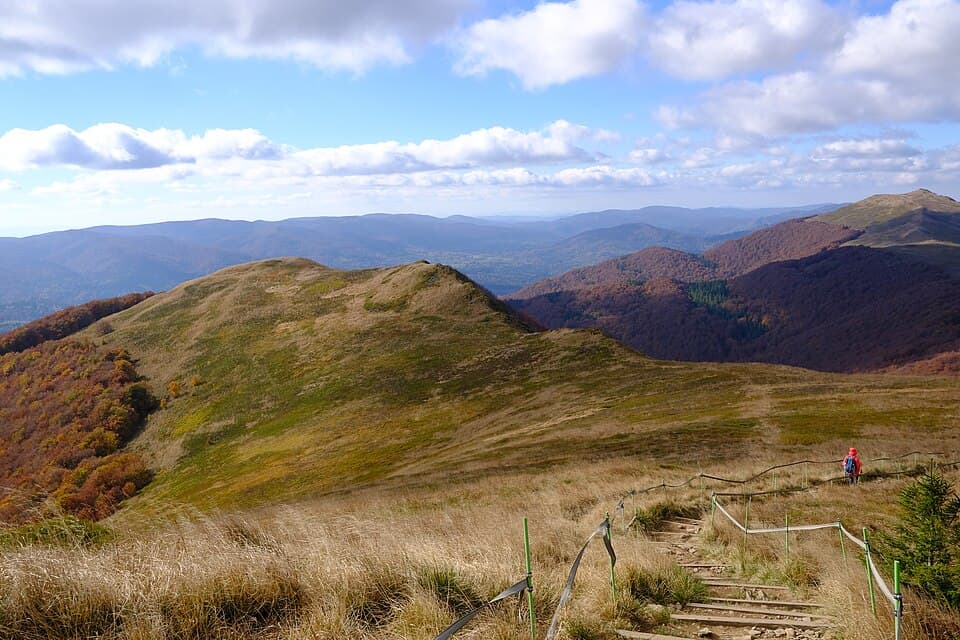
Bieszczady Mountains
The wildest and least populated mountain range in Poland, in the extreme southeastern corner of the country bordering Ukraine and Slovakia. Rolling open ridges (połoniny) above the treeline, dense primeval beech forests, wild wolves, lynx, and bears make this Poland's premier wilderness destination.
Best Time
June–October for ridge hiking. Winter for snowshoeing in deep forest. Autumn is particularly spectacular with vivid beech forest colours.
Insider Tip
Stay overnight in one of...
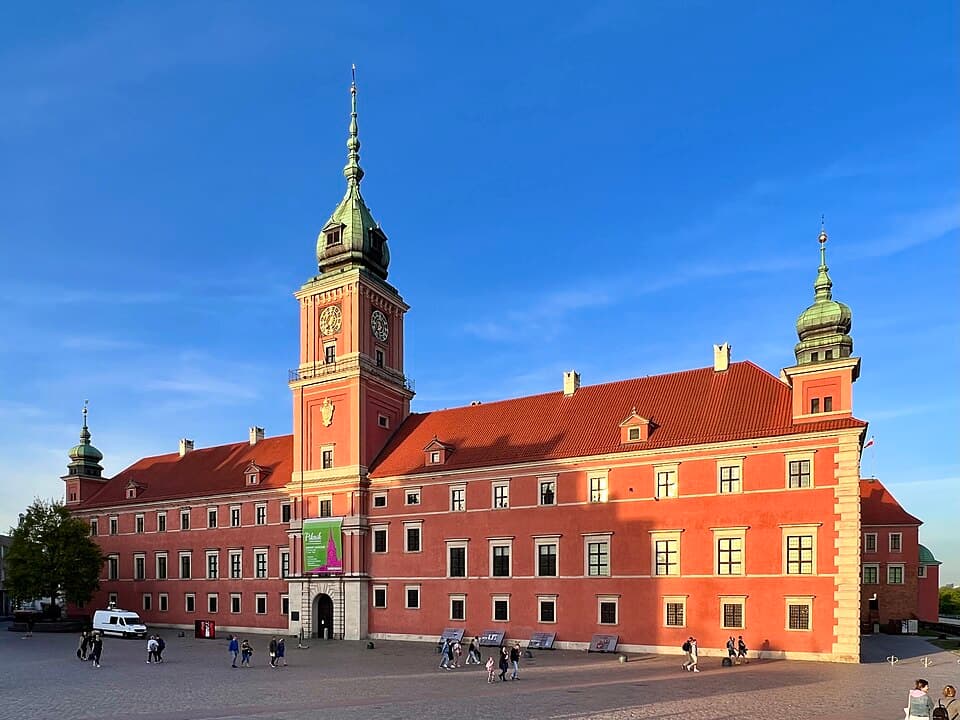
Warsaw Royal Castle
The official residence of Polish monarchs from the 16th century, destroyed by the Nazis in 1944 after the Warsaw Uprising and completely rebuilt by the Polish people through public donations between 1971 and 1984. Today the meticulously recreated castle is both a monument to Polish resilience and an impressive royal palace museum.
Best Time
Year-round. Summer evening concerts in the castle courtyards are particularly atmospheric.
Insider Tip
The Canaletto Room contains the...
Travel Tips for Poland
- 1.
Polish zloty is the currency, not Euro
- 2.
Try pierogi and bigos
- 3.
Tipping ~10% is appreciated