
Discover
Sri Lanka
The Pearl of the Indian Ocean, blessed with temples, tea, and pristine beaches.
Top Destinations
Explore our curated selection of landmarks and cities you must visit.
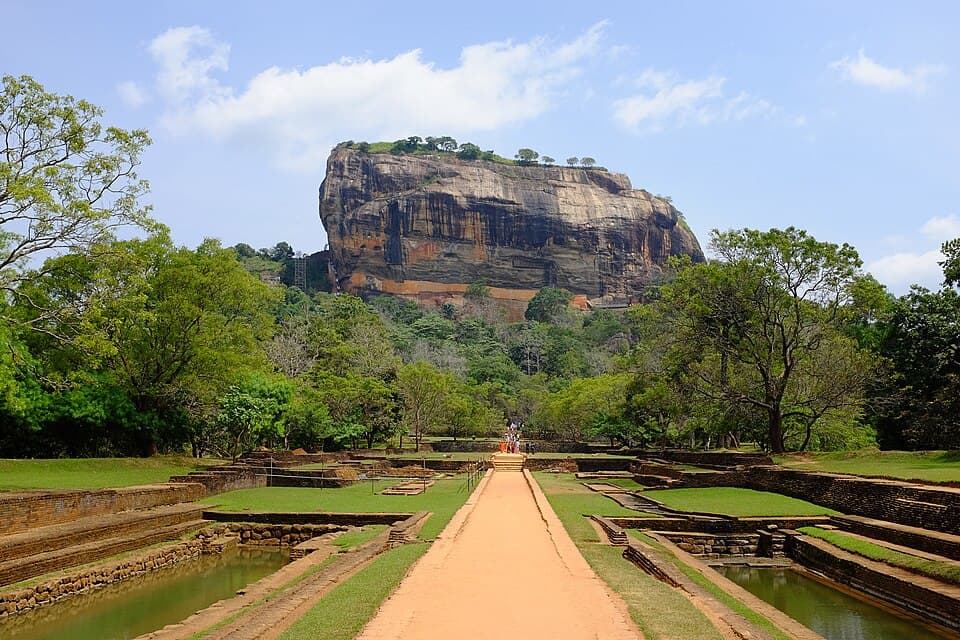
Sigiriya Rock Fortress
A 5th-century royal citadel built atop a 200-metre volcanic rock column rising dramatically from the surrounding jungle plain. King Kasyapa I (477–495 AD) constructed palaces, gardens, and frescoed galleries on and around the rock. The summit contains the ruins of a palace with extraordinary panoramic views. A UNESCO World Heritage Site and Sri Lanka's single most famous landmark.
Best Time
January–April and August–September (drier months). Climb early morning before the heat and crowds. Open daily.
Insider Tip
Climb Pidurangala Rock (1km from...
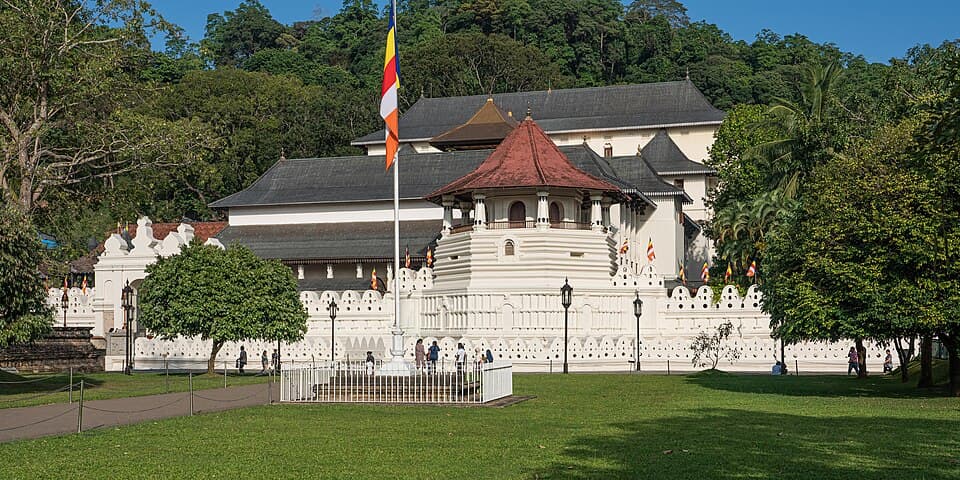
Temple of the Tooth Relic (Kandy)
Sri Dalada Maligawa — the Temple of the Sacred Tooth Relic in the royal city of Kandy — houses what is believed to be the left canine tooth of the Buddha, making it the most revered Buddhist site in Sri Lanka and one of the most important in the Buddhist world. The temple complex sits on Kandy Lake and forms the spiritual centre of Sri Lankan national identity.
Best Time
July–August for the Esala Perahera festival — one of Asia's greatest processions, with 100+ elephants, fire-dancers, and the golden relic casket paraded through Kandy over 10 nights. Year-round for daily pujas.
Insider Tip
Attend the dawn puja at...
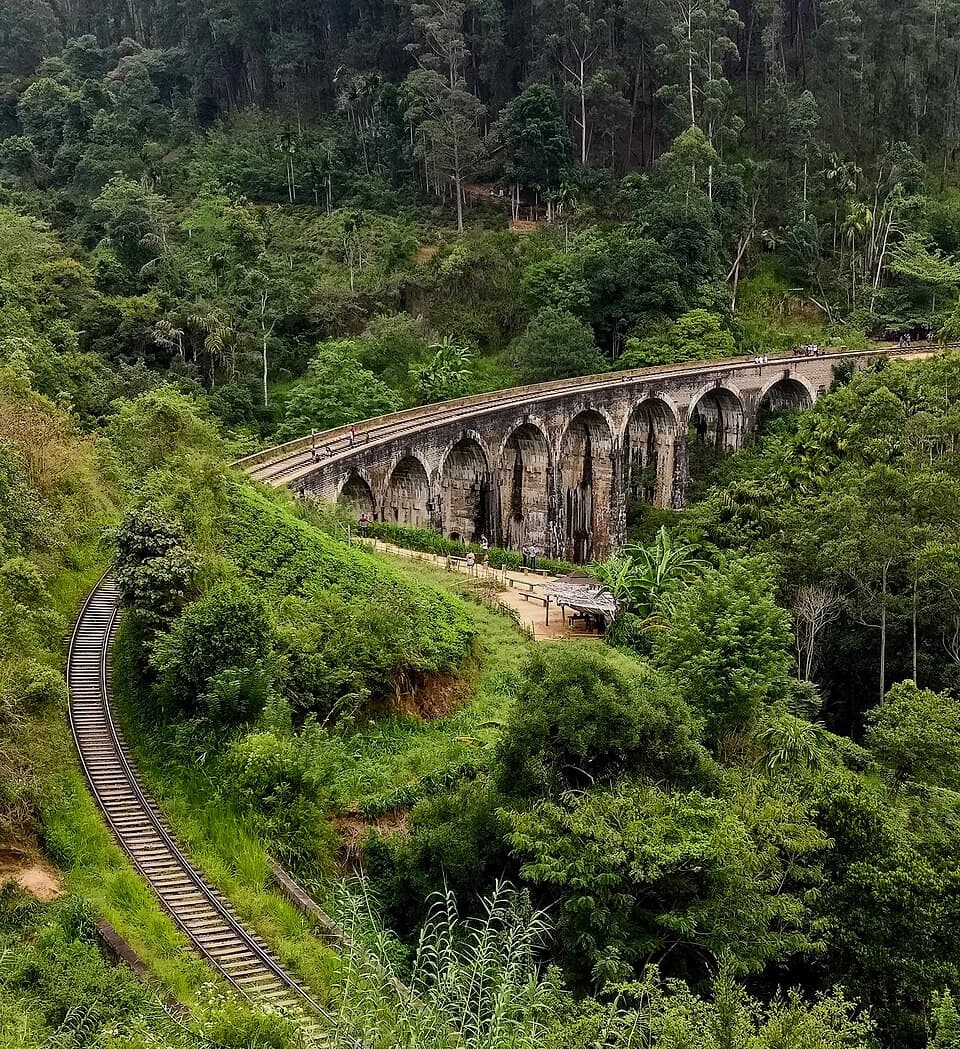
Ella Gap & Nine Arches Bridge
Ella is a small hill-country village perched at the edge of a dramatic escarpment — the Ella Gap — where the highlands drop 1,000 metres to the coastal plains in a single breathtaking panorama. The Nine Arches Bridge (1921), an all-stone viaduct built entirely without steel through the surrounding tea-plantation jungle, is Sri Lanka's most photographed railway bridge.
Best Time
December–March (dry season for the south). Trains cross the bridge at 9:17am and 2:50pm — check timetables for the best photo opportunity.
Insider Tip
Climb Little Adam's Peak (1.5...
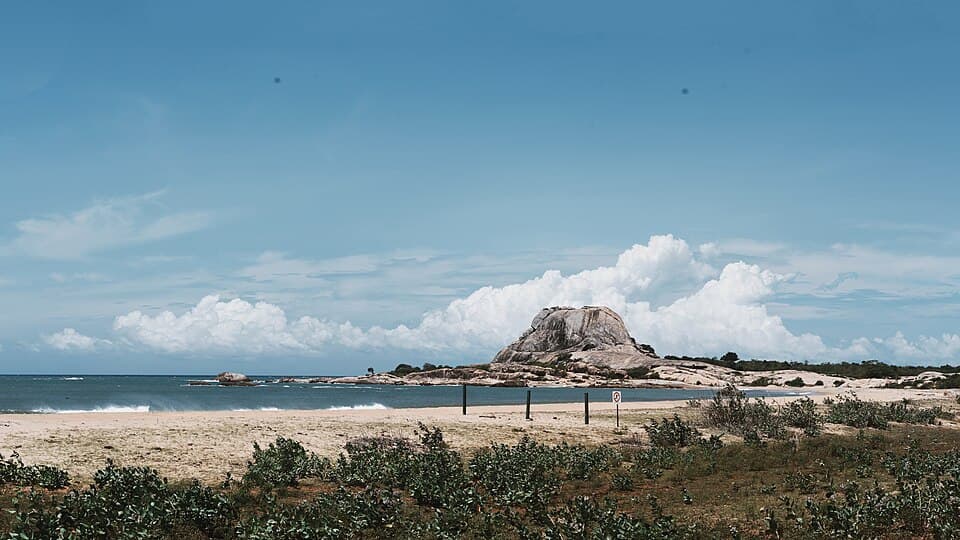
Yala National Park
Sri Lanka's most famous wildlife reserve — 979 km² of scrub jungle, grasslands, and coastal lagoons with the world's highest density of leopards per square kilometre. Also home to Asian elephants, sloth bears, water buffaloes, crocodiles, and 215 bird species. The Block 1 area (the most visited section) has exceptional infrastructure for wildlife drives.
Best Time
February–July (lowest rainfall, highest wildlife concentration around water holes). Park closes September for an annual 6-week break.
Insider Tip
Book a private jeep rather...
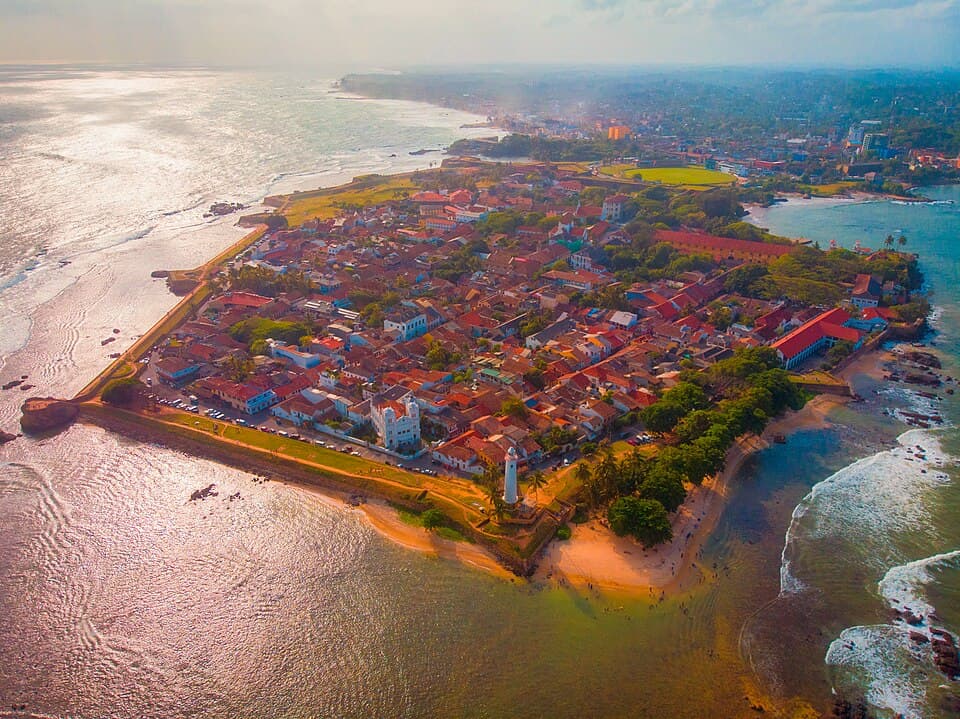
Galle Fort
A UNESCO World Heritage Site — a 90-hectare fortified colonial city built by the Portuguese (1588) and massively extended by the Dutch East India Company (VOC) from 1663. The walls, bastions, and street grid of the old city survive almost entirely intact. Within the fort walls: a Dutch Reformed Church (1755), 17th-century mosques, a lighthouse, colonial mansions, and a vibrant community of boutique hotels, galleries, and restaurants.
Best Time
December–April (southwestern dry season). The Galle Literary Festival (January) brings international authors to the fort.
Insider Tip
Walk the complete circuit of...
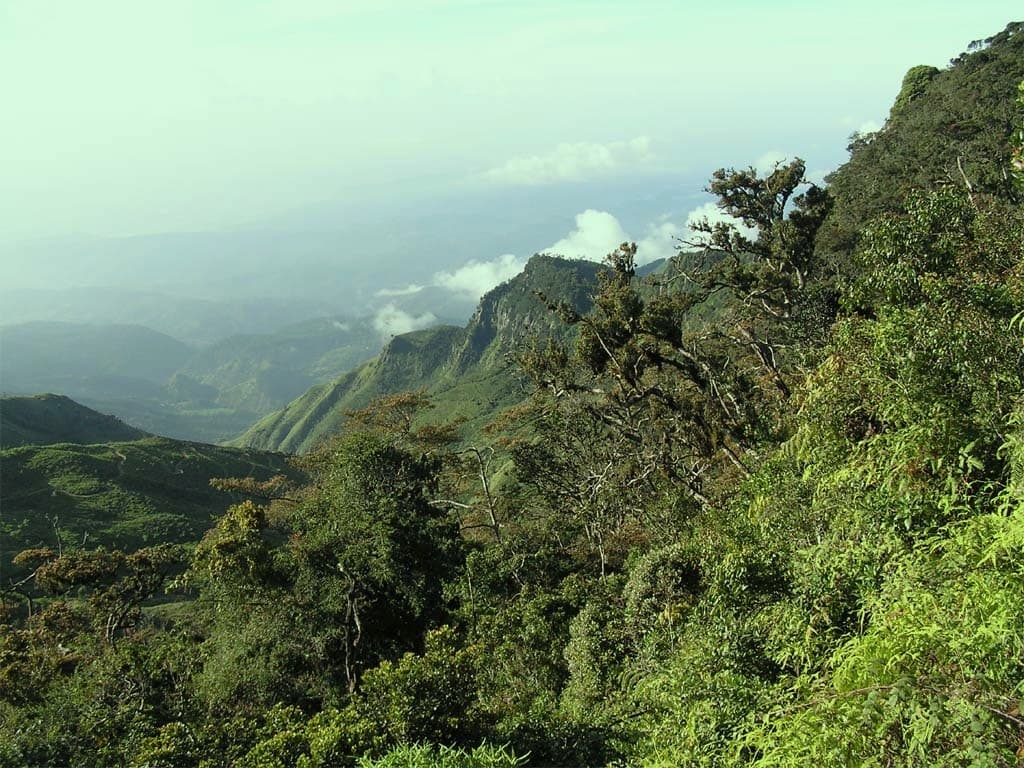
Adam's Peak (Sri Pada)
A 2,243-metre conical mountain whose summit bears a mysterious 1.8-metre footprint revered simultaneously by Buddhists (as the footprint of the Buddha), Hindus (Shiva), Muslims (Adam), and Christians (St. Thomas). The night pilgrimage — climbing 5,500 steps from midnight to reach the summit at dawn — is one of Sri Lanka's most extraordinary experiences.
Best Time
Pilgrimage season: December–May. The peak months (January–March) see the most pilgrims. Outside season the peak is often cloud-covered.
Insider Tip
Start climbing at 2am from...
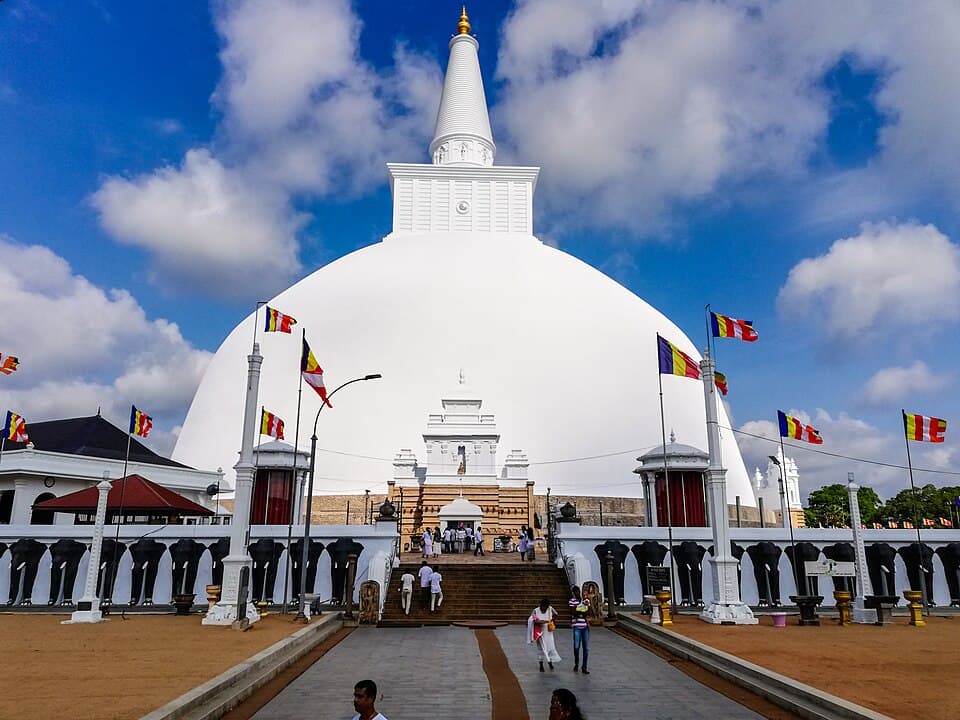
Anuradhapura Sacred City
Sri Lanka's first ancient capital — inhabited from the 4th century BC to the 11th century AD and the seat of Theravada Buddhism in South Asia for over a millennium. The ruins of enormous dagobas (stupas), monasteries, royal palaces, and gardens cover 40 square kilometres. The Sri Maha Bodhi (Sacred Fig Tree) — grown from a cutting of the original Bodhi Tree under which Buddha attained enlightenment — is the oldest documented tree in the world (over 2,300 years old).
Best Time
January–April (dry season). Full moon Poya days have the most atmospheric religious activity.
Insider Tip
Rent a bicycle — it...
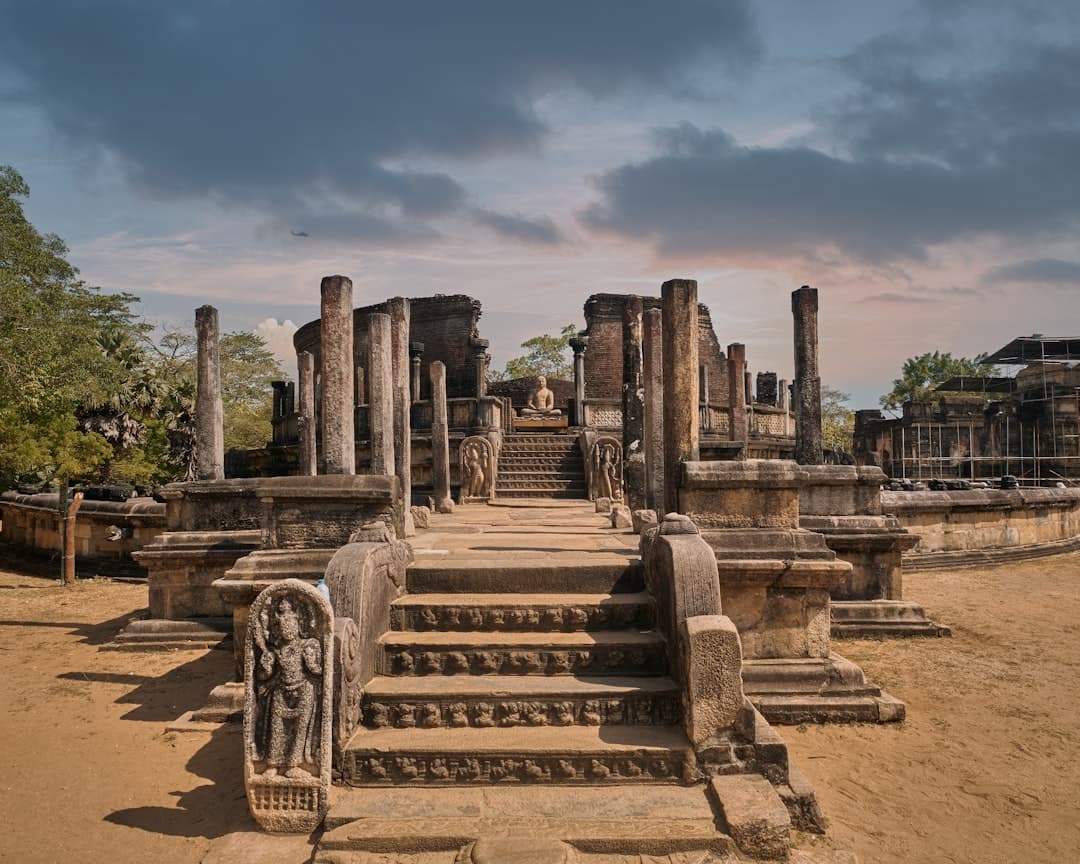
Polonnaruwa Ancient City
Sri Lanka's second ancient capital — established after Anuradhapura's abandonment and flourishing from the 11th to 13th centuries. More compact and better preserved than Anuradhapura, Polonnaruwa's ruins include the remarkable Gal Vihara (four rock-cut Buddha statues), the Royal Palace, a Shiva Devale, and the circular Vatadage relic shrine — all in a beautiful jungle setting.
Best Time
Year-round. January–April for cooler conditions. Dawn for the best light on the ruins.
Insider Tip
Visit Gal Vihara at dawn...
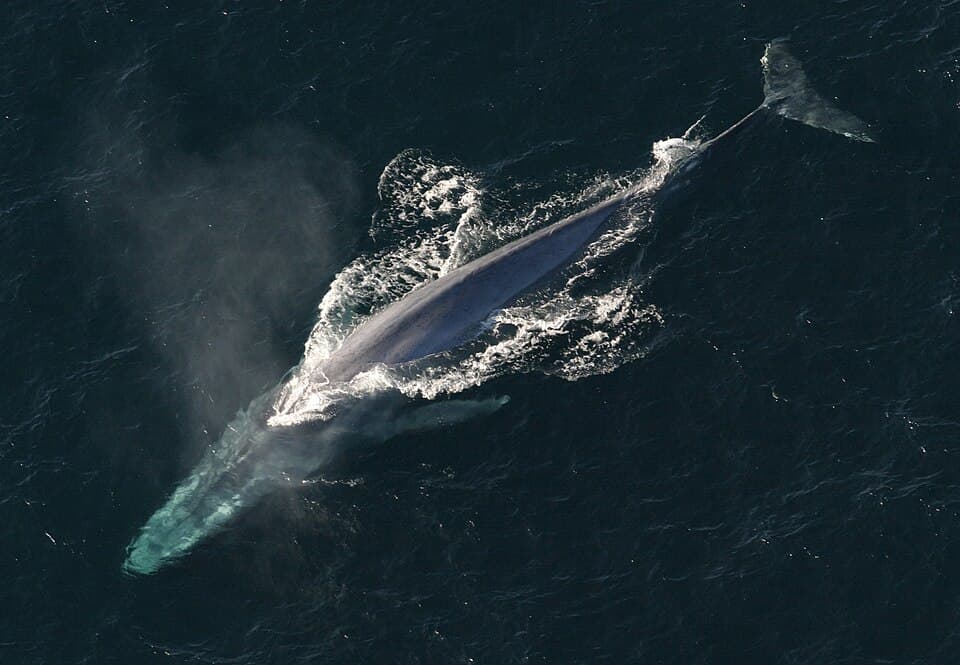
Mirissa Whale Watching
The waters off Mirissa in southern Sri Lanka are among the world's best locations for blue whale sightings — the largest animals that have ever existed, reaching 33 metres in length. Between November and April, blue whales, sperm whales, bryde's whales, and spinner dolphins are regularly encountered on morning boat excursions from Mirissa harbour.
Best Time
November–April (whale season; peak January–March). Morning departures (6am) have best conditions.
Insider Tip
Choose smaller boats with licensed...
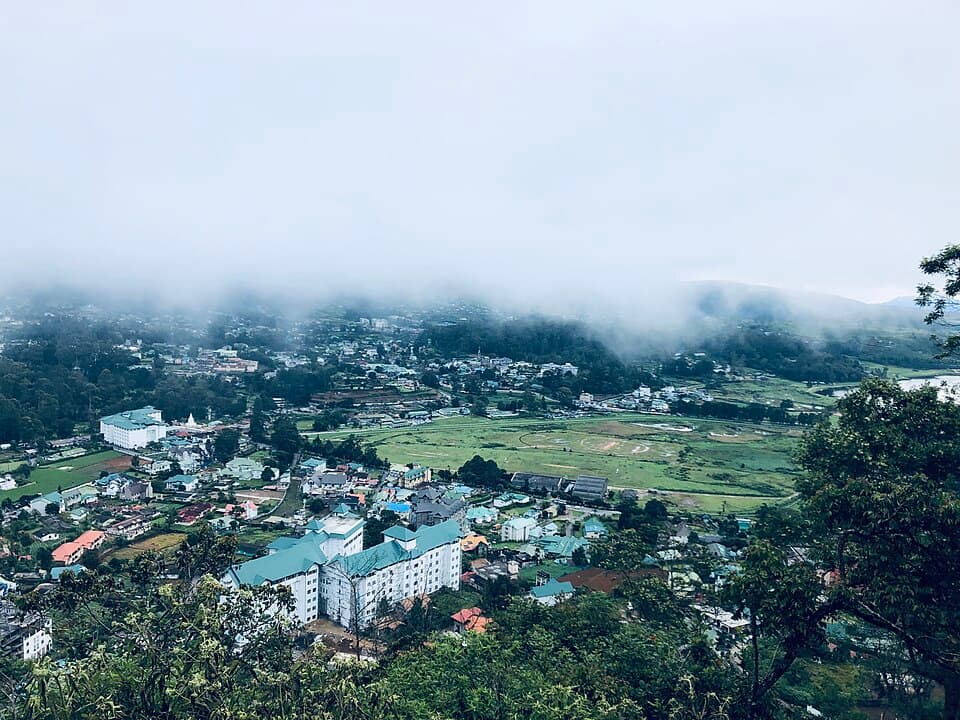
Nuwara Eliya Tea Country
Sri Lanka's highest city at 1,869 metres, set in a landscape of rolling hills covered in manicured tea estates — the source of Ceylon Orange Pekoe, considered among the world's finest black teas. The British hill station heritage gives Nuwara Eliya a distinctly English atmosphere: colonial bungalows, rose gardens, a Tudor hotel (the Hill Club), and a misty climate.
Best Time
January–April (dry season, clear mornings). April brings the Nuwara Eliya season with races and social events.
Insider Tip
Visit a tea factory for...
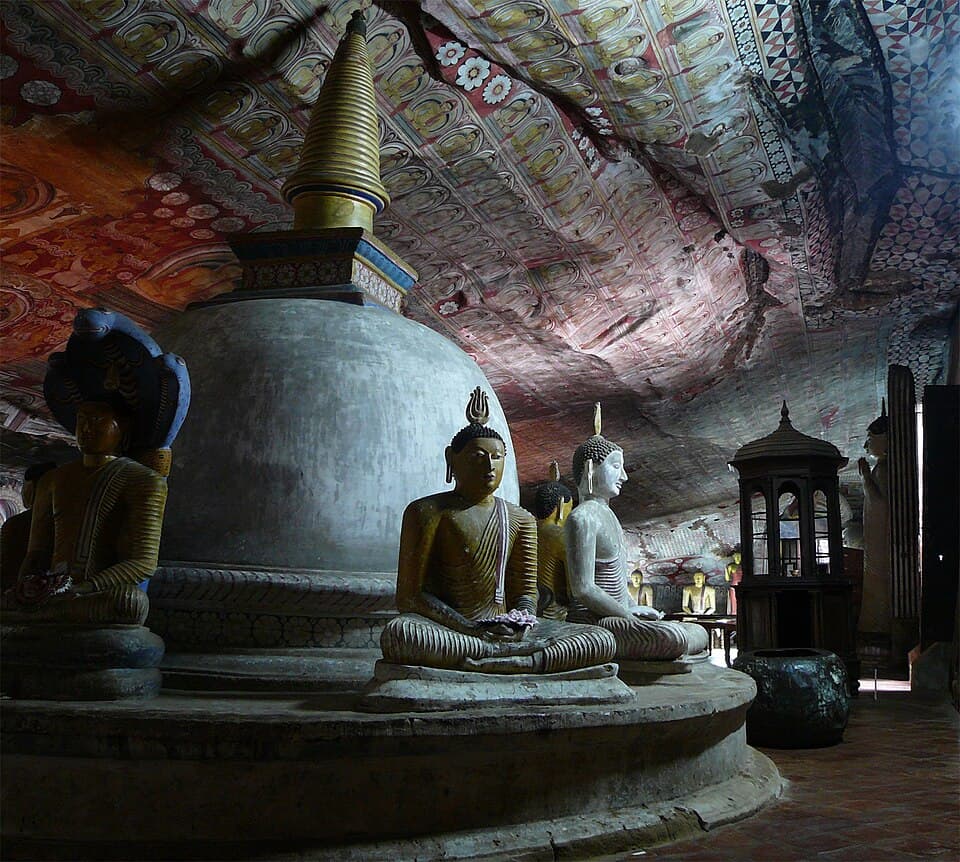
Dambulla Cave Temple
A UNESCO World Heritage Site — five cave temples carved into a massive granite rock outcrop, containing the largest and best-preserved collection of cave paintings and Buddha statues in Sri Lanka. Over 150 Buddha statues, paintings covering 2,100 m², and frescoes dating from the 1st century BC to the 18th century cover every surface of the five interconnected caves.
Best Time
Year-round. Mornings before the midday heat. En route between Colombo and Sigiriya.
Insider Tip
Cave 2 (Maharaja Viharaya) is...
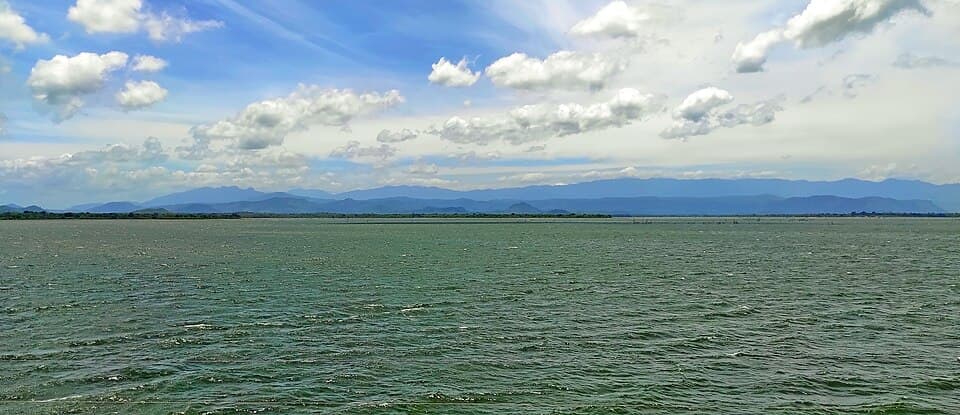
Udawalawe National Park
A 30,821-hectare wildlife reserve centred on the Udawalawe Reservoir, famous for the highest concentration of Asian elephants in Sri Lanka and possibly in Asia — typically 500+ individuals in habituated family herds. The open grassland habitat (unlike Yala's dense jungle) makes elephant encounters extraordinarily clear and consistent.
Best Time
Year-round (Udawalawe is in a rain shadow). May–September for largest herds. Dawn safari most productive.
Insider Tip
Visit the Elephant Transit Home...
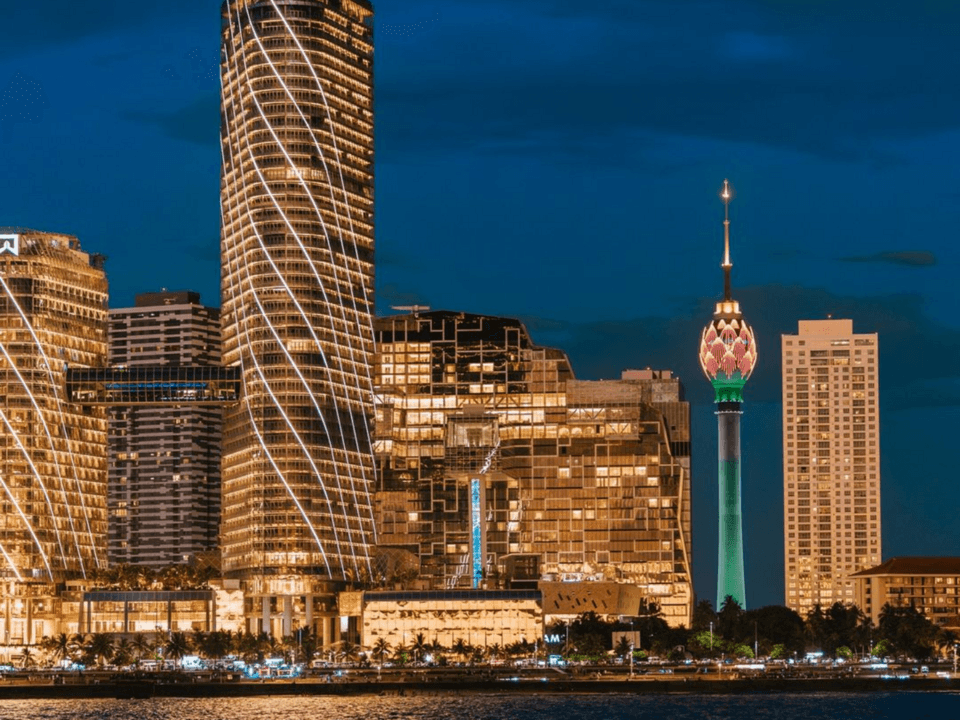
Colombo Fort & Pettah Market
Sri Lanka's commercial capital — the historic Fort district (once a Portuguese and then British colonial quarter) and the adjacent Pettah bazaar quarter form the chaotic, colourful, and fascinating commercial heart of Colombo. The Dutch Burgher Union, old colonial bank buildings, and the 1905 Cargills building stand alongside the modern Lotus Tower (2019).
Best Time
Year-round. Weekday mornings for the most active market atmosphere. Avoid Fridays near the mosque at prayer time.
Insider Tip
Have breakfast at one of...
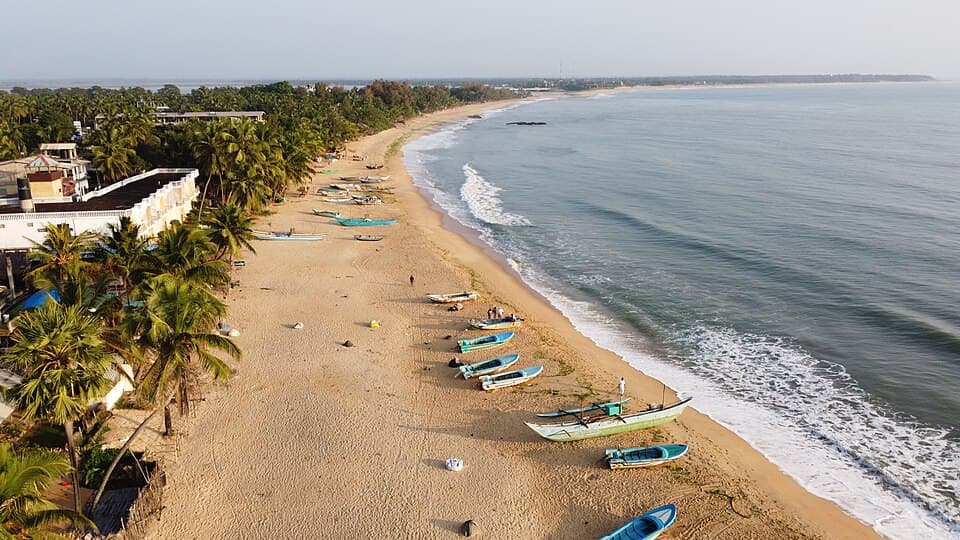
Arugam Bay
A surf bay on Sri Lanka's east coast consistently ranked among the top 10 surf spots in the world. The main point break at Arugam Bay provides long, consistent right-hand waves suitable for all skill levels, while the surrounding beaches, lagoons, and national park proximity make it equally appealing for non-surfers.
Best Time
April–September (east coast dry season and best surf). Peak surf season May–August.
Insider Tip
Visit the nearby Lahugala National...
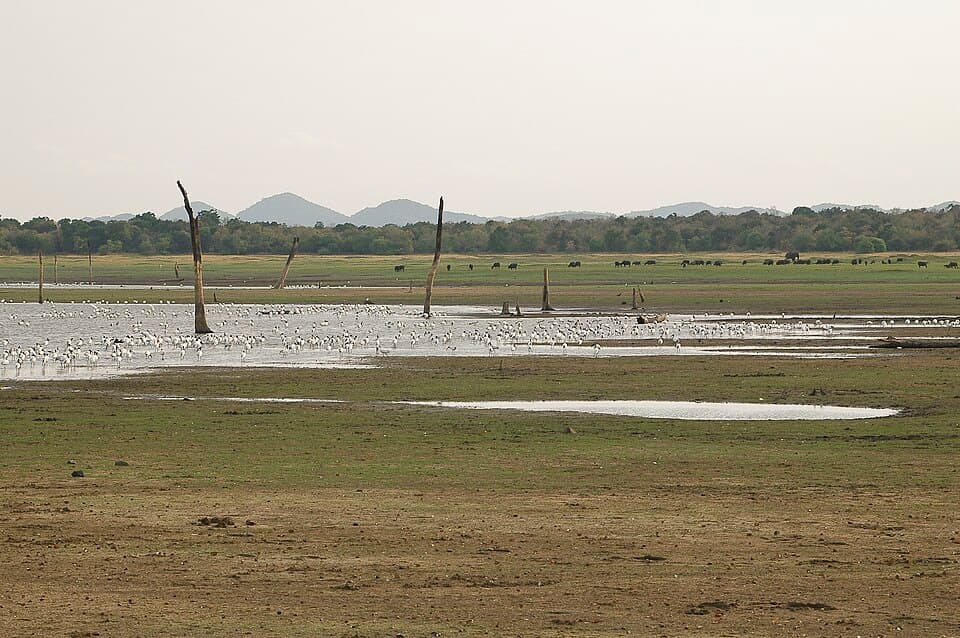
Minneriya National Park
A national park centred on the ancient Minneriya Tank (reservoir), famous for 'The Gathering' — one of Asia's greatest wildlife spectacles. Between July and October, as surrounding water sources dry up, up to 300 wild Asian elephants congregate around the shrinking reservoir in one location — the largest gathering of Asian elephants on Earth.
Best Time
July–October for The Gathering. Peak is August–September. Year-round for regular elephant sightings.
Insider Tip
Combine Minneriya with Kaudulla National...
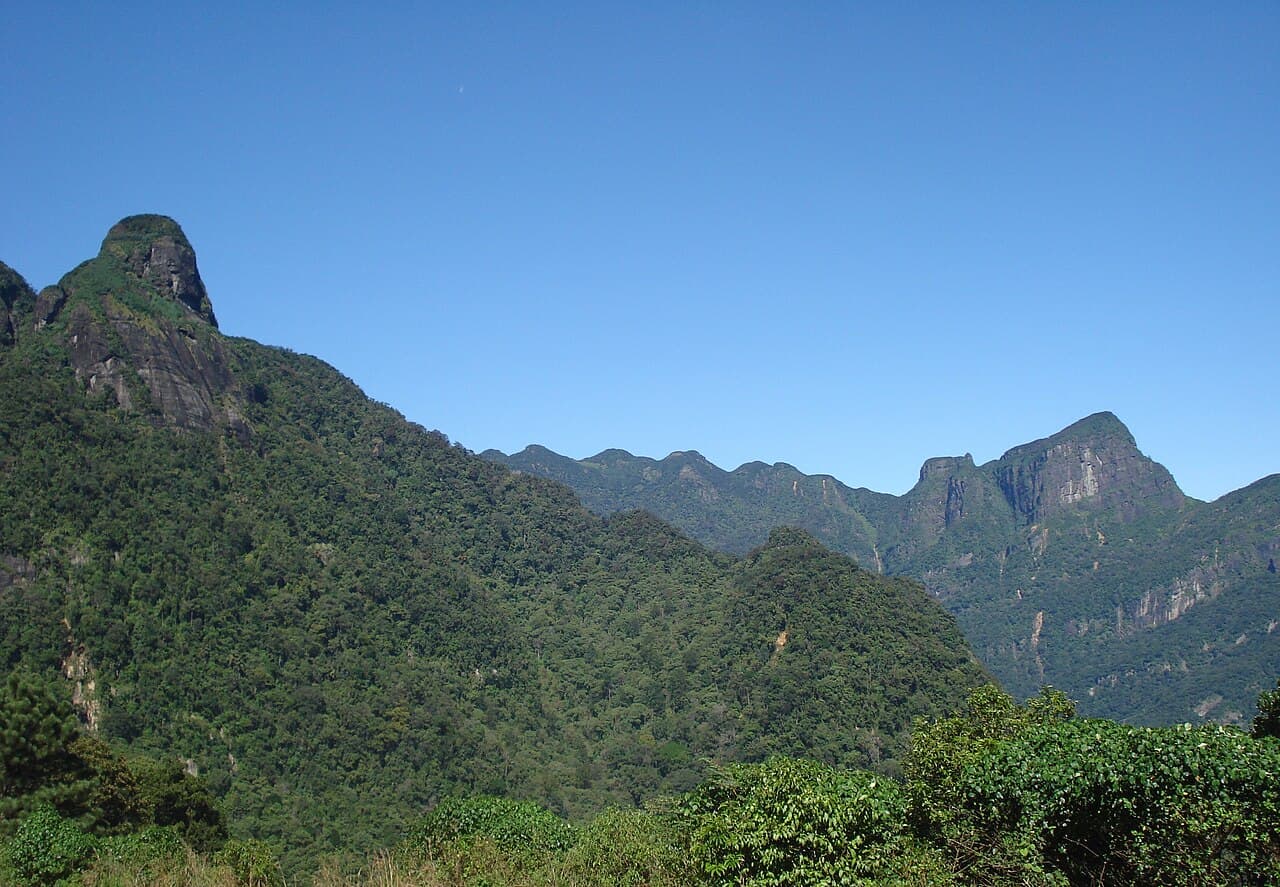
Knuckles Mountain Range
A UNESCO World Heritage Site — a range of jagged peaks and deep valleys in the central highlands, named for their resemblance to a clenched fist. The Knuckles Conservation Forest contains 34 mountain peaks over 1,500 metres, pristine cloud forest with extraordinary biodiversity, traditional village communities, and Sri Lanka's finest multi-day trekking.
Best Time
January–April (dry season). December monsoon can make trails treacherous. Warm layers essential at altitude.
Insider Tip
Trek the Mini World's End...
Horton Plains & World's End
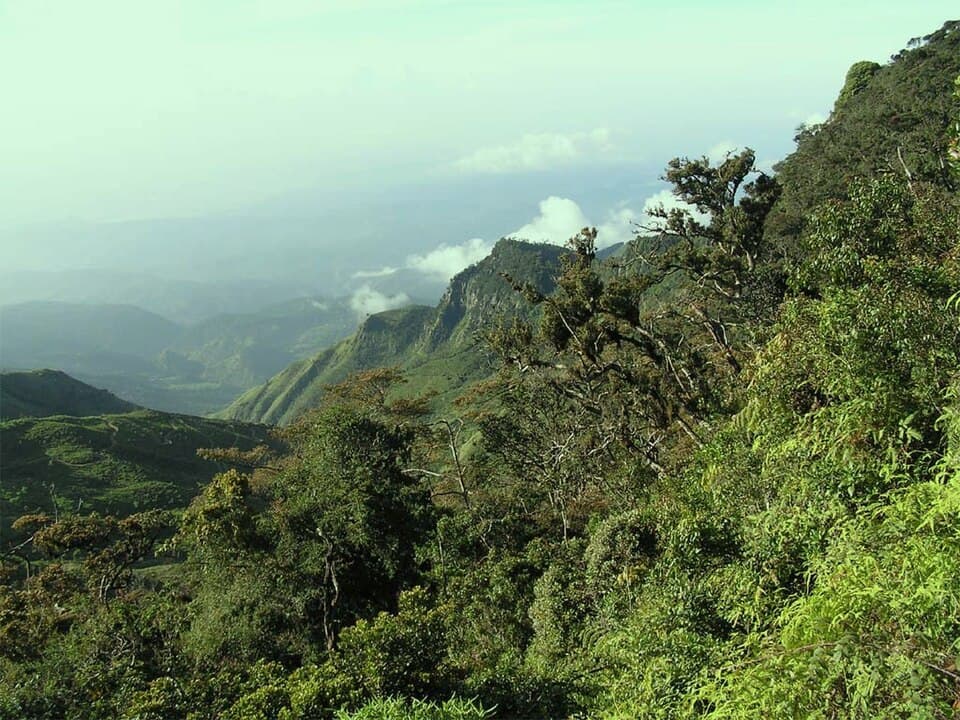
A flat plateau at 2,100 metres in Sri Lanka's central highlands — a UNESCO World Heritage Site with a landscape of cloud forest, grassland, and mist that feels more like the Scottish Highlands than tropical Asia. The World's End is a sheer 1,050-metre escarpment where the plateau edge drops suddenly to the southern coastal plain, offering views extending to the ocean on clear days.
Best Time
January–March (clearest views). Arrive before 9am — clouds roll in by mid-morning and World's End is obscured.
Insider Tip
Start at 6am from Ohiya...
Jaffna Peninsula
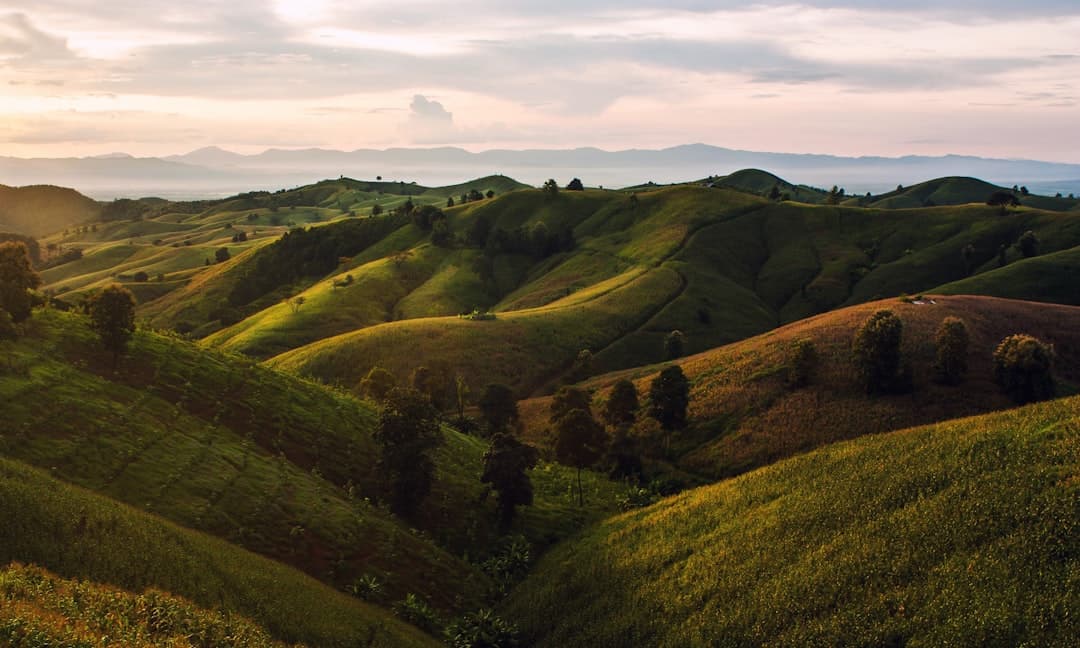
The cultural capital of Sri Lanka's Tamil community — a peninsula in the far north with a distinct culture, cuisine, and religious landscape shaped by thousands of years of Tamil civilisation and separated from mainland India by only 50km of the Palk Strait. The Nallur Kandaswamy Kovil (1734), Jaffna Fort (Dutch, 1680), and the surrounding island archipelago are remarkable.
Best Time
April–September (north is dry while south is monsoon). The Nallur Festival (July–August) is one of Sri Lanka's most spectacular Hindu festivals.
Insider Tip
Cycle to the islands off...
Trincomalee & Pigeon Island
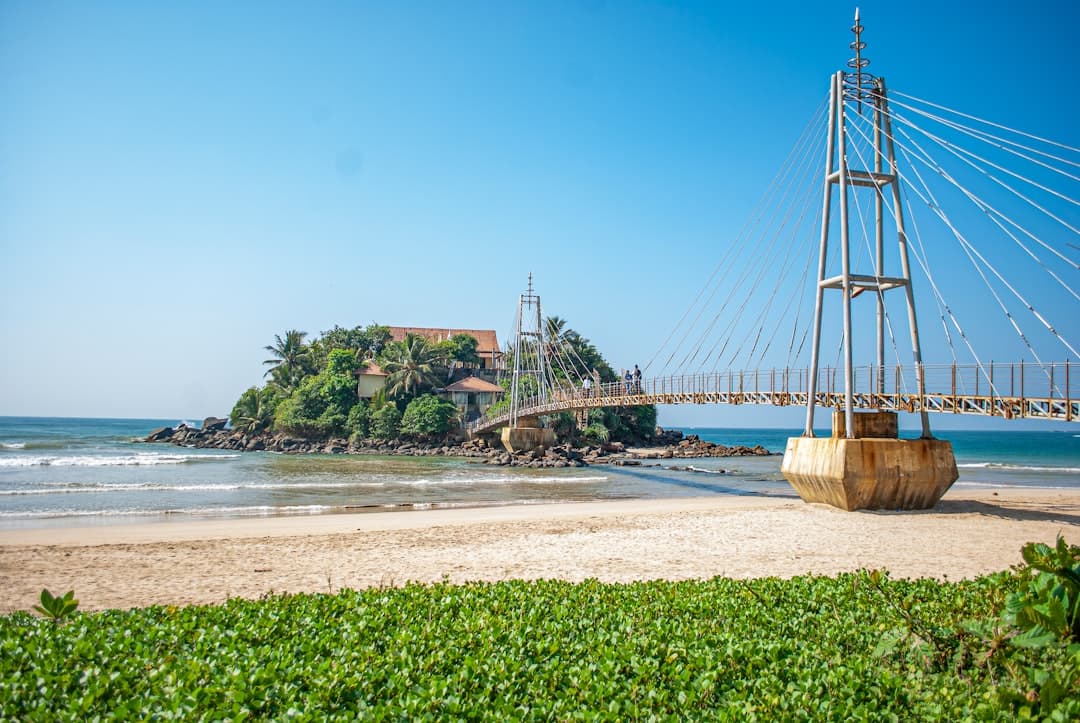
A deep-water natural harbour on the east coast — one of the world's finest — with the ancient Koneswaram Hindu temple perched dramatically on Swami Rock above the sea. Pigeon Island Marine National Park (1km offshore) contains Sri Lanka's healthiest surviving coral reef and outstanding snorkelling with blacktip reef sharks, hawksbill turtles, and diverse reef fish.
Best Time
May–September (east coast dry season). Pigeon Island is closed during rough weather.
Insider Tip
Visit Koneswaram Temple (Thirukoneshwaram) at...
Pinnawala Elephant Orphanage
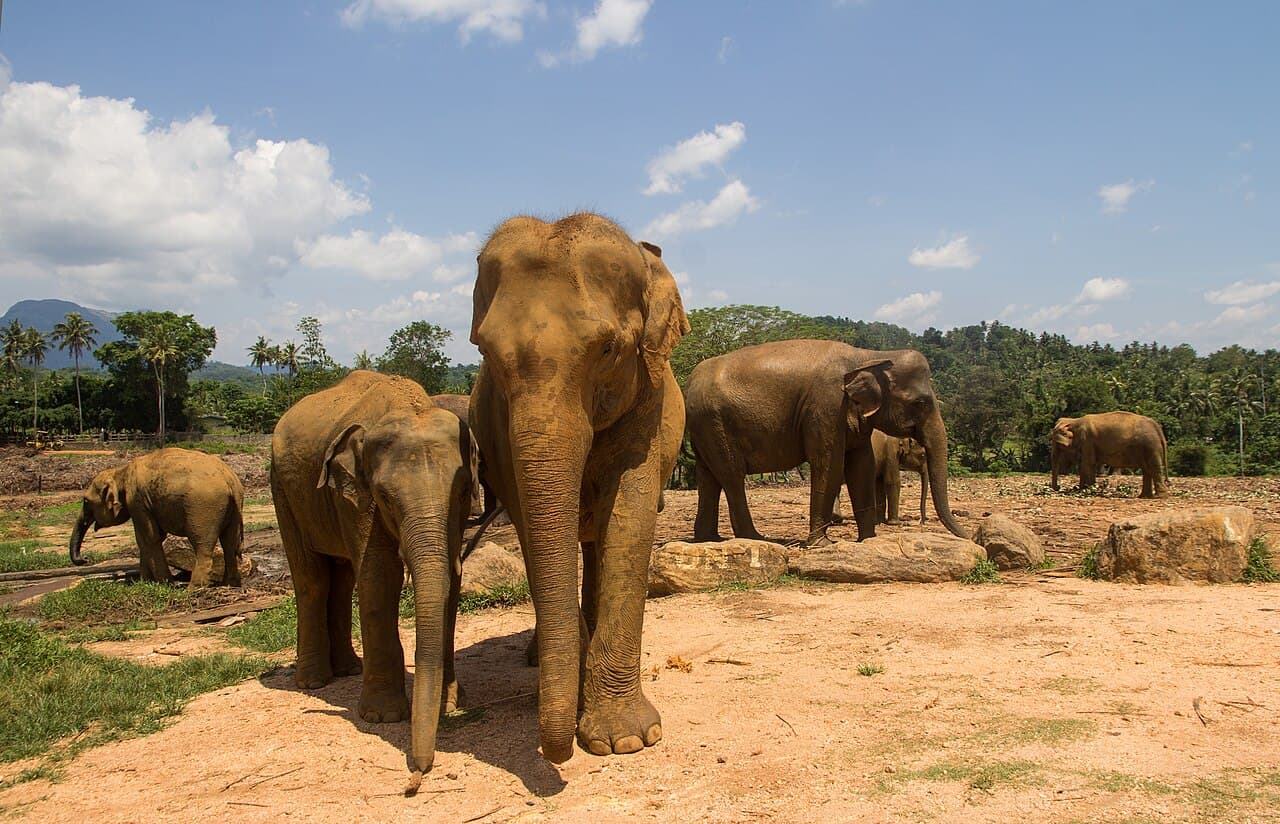
Established in 1975 to care for abandoned and injured wild elephants, Pinnawala now houses the world's largest herd of captive elephants — over 90 animals, including many calves. The twice-daily river bathing at the Maha Oya River, where the full herd is walked to the water and washes for 2 hours, is the defining experience.
Best Time
Year-round. River bathing: 10am–noon and 2–4pm daily. Arrive 30 minutes early for riverside seating.
Insider Tip
Watch the bathing from the...
Travel Tips for Sri Lanka
- 1.
Hire a tuk-tuk for short trips
- 2.
Respect temple dress codes
- 3.
Try Ceylon tea at its source